
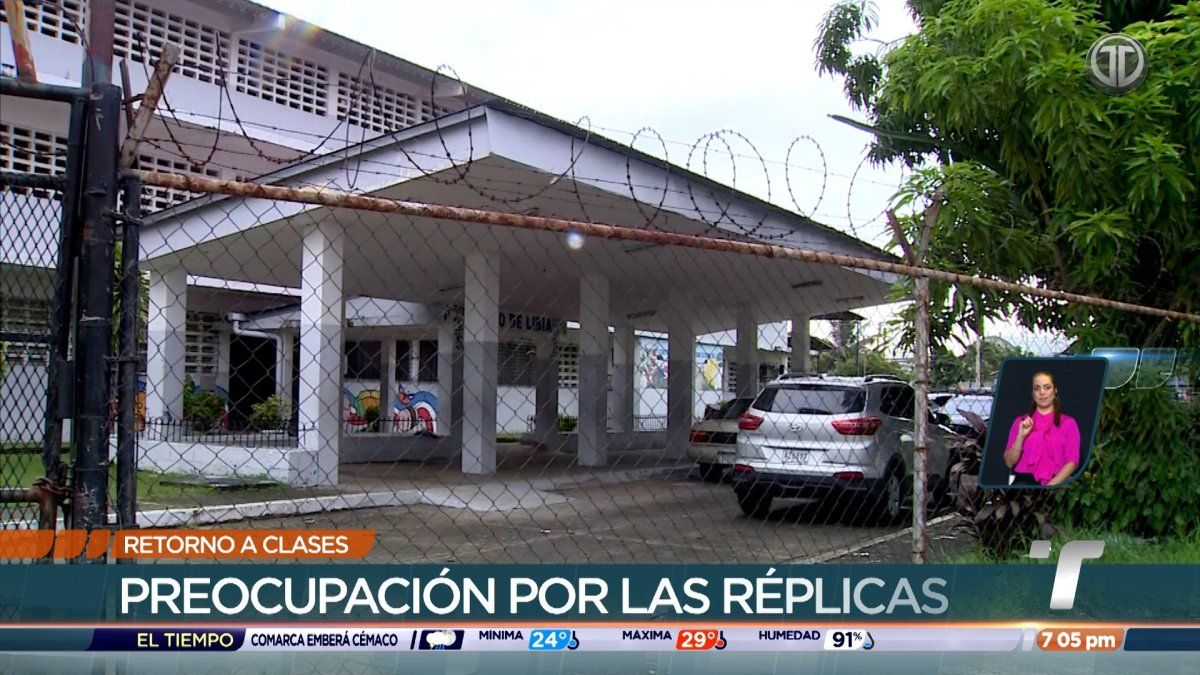
As Panamanian students begin returning to classrooms following the recent earthquake, parents and education experts are sounding the alarm about two major challenges facing the country’s school system: recovering lost learning time and addressing the emotional toll the disaster has taken on children.
What Happened
The earthquake that struck Panama has forced schools to manage a phased return to classes, and the process is proving more complicated than simply reopening doors. According to a report by Telemetro, parents of students have come forward to warn about the difficulties the education system now confronts in the aftermath of the tremor.
Two central concerns have emerged from families and specialists. The first is academic: with classes interrupted, students face the task of catching up on learning that was lost or delayed during the disruption. The second is emotional: experts caution that experiencing an earthquake can leave a lasting psychological impact on children, and schools must be prepared to support students who may be anxious, frightened, or distressed as they resume their routines.
The gradual, progressive return to classes means these challenges will unfold over time rather than being resolved all at once, placing sustained pressure on teachers, school administrators, and families.
Background
Panama sits in a seismically active region of Central America, where the interaction of tectonic plates produces regular earthquake activity. While many tremors cause little damage, stronger events can disrupt daily life, damage infrastructure, and force the temporary closure of public services, including schools.
The Panamanian education system has faced significant disruptions in recent years, including prolonged school closures during the COVID-19 pandemic, which already set back learning for many students. Each new interruption compounds the difficulty of keeping students on track academically, a concern that parents and educators have raised repeatedly.
Post-disaster education recovery is a well-recognized challenge in the region. Beyond physical repairs to school buildings, education authorities typically must assess whether students are ready to resume learning and whether teachers have the tools to address trauma-related stress in the classroom. Emotional support after natural disasters is considered a key part of helping children return to normalcy.
What This Means for Panama
The warnings from parents and experts highlight that the earthquake’s impact on Panama extends beyond physical damage to the longer-term wellbeing and development of the country’s students. How effectively schools manage the progressive return to classes will shape both academic outcomes and children’s emotional recovery in the coming months.
Key issues to watch include how the Ministry of Education supports teachers in addressing learning gaps, whether schools receive guidance or resources for psychological support, and how quickly the return to full, normal class schedules can be completed. Parents’ willingness to speak publicly about these challenges suggests families will be pressing for concrete action, not just reopened buildings.
The situation also serves as a reminder of the importance of disaster preparedness in the education sector, as Panama’s schools must be ready to respond not only with infrastructure safety but also with academic continuity plans and emotional support strategies when natural disasters strike.
This story was originally reported by Telemetro.