
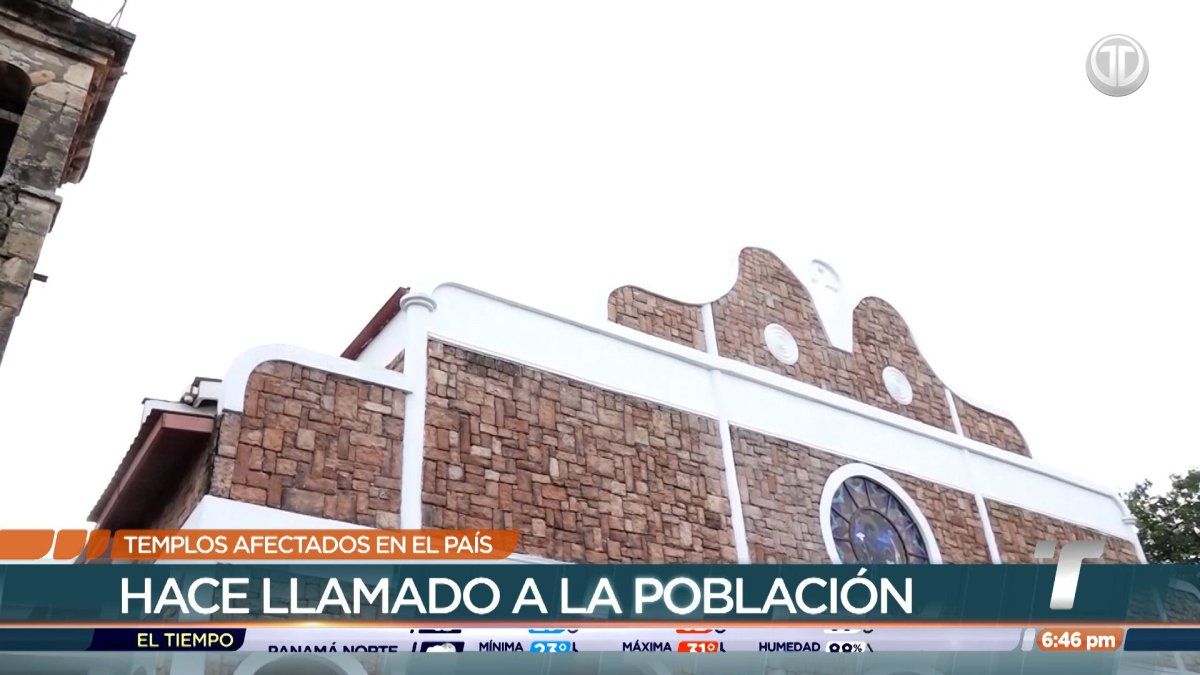
Panama’s Ministry of Culture has completed an initial assessment of the condition of the country’s temples following the recent earthquake, urging the public to avoid areas surrounding buildings that were affected by the seismic event.
What Happened
In the aftermath of the earthquake, the Ministry of Culture carried out an inspection of temples and religious structures to determine their structural condition. The ministry issued a report on its findings and issued a clear recommendation: people should not remain in areas adjacent to buildings that were impacted by the quake.
The advisory reflects concern that damaged structures could pose ongoing risks, even after the initial shaking has stopped. Aftershocks, falling debris, and weakened walls or facades can all present hazards near compromised buildings.
Background
Panama sits in a seismically active region of Central America, where the interaction of tectonic plates along the Caribbean and Pacific margins produces regular earthquake activity. While many tremors are minor and cause little or no damage, stronger events can affect older buildings, particularly historic structures such as colonial-era churches and temples found in Panama’s historic districts.
Many of Panama’s temples and religious buildings are centuries old, constructed with traditional materials such as stone, brick, and adobe. These structures are culturally significant and, in some cases, protected as national heritage sites. This is why the Ministry of Culture, rather than a general building authority, takes a leading role in assessing their condition after seismic events. The ministry is responsible for safeguarding Panama’s historical and cultural patrimony, including religious architecture.
Post-earthquake inspections of heritage buildings are a standard protective measure. Even when damage is not immediately visible from the outside, quakes can create structural weaknesses that develop into serious problems over time, making professional evaluation essential before buildings can be safely reopened or occupied.
What This Means for Panama
The ministry’s report and its public advisory serve two purposes: protecting public safety and beginning the process of documenting damage to culturally significant structures. By urging people to stay away from areas near impacted buildings, authorities aim to prevent injuries from structural failures or aftershocks.
For the temples themselves, the assessment is a first step toward determining whether repairs or restorations will be needed. Damage to heritage religious buildings can carry costs beyond the structural — these sites often hold deep community, historical, and tourism value.
Residents and visitors should heed the ministry’s recommendation and avoid lingering near affected buildings until authorities confirm they are safe. Further inspections and follow-up reports may identify which structures require intervention, and the public should look for updated guidance from the Ministry of Culture and emergency management authorities as the situation develops.
This story was originally reported by Telemetro.