
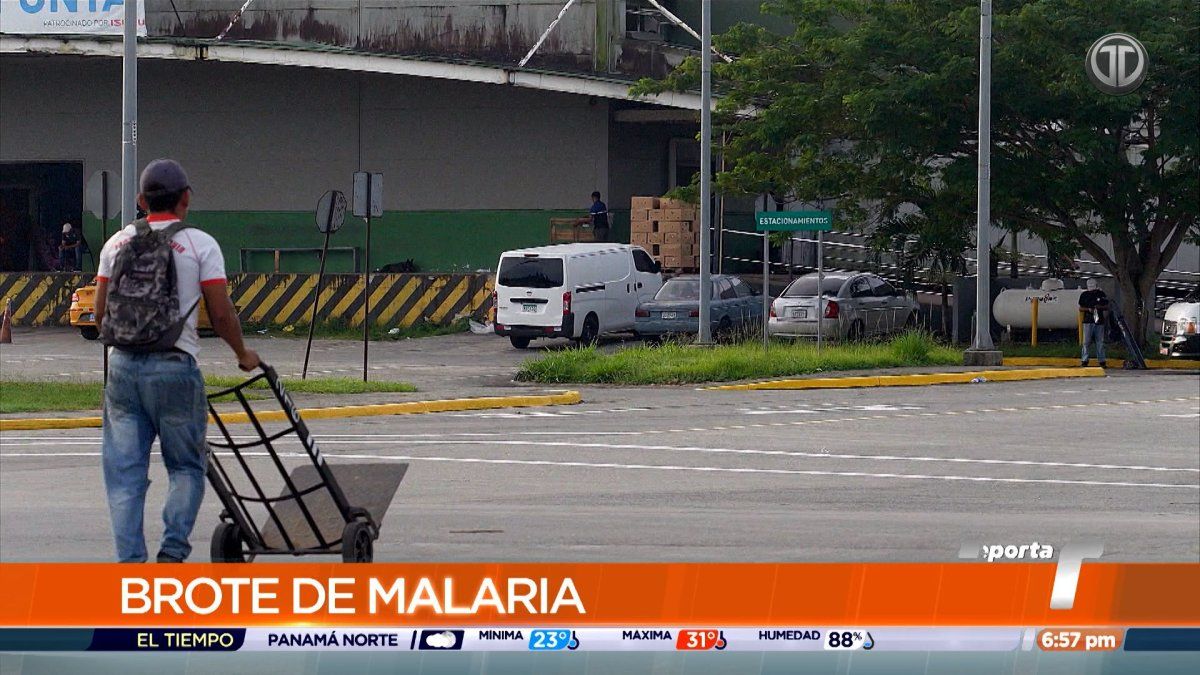
Panama’s Ministry of Health (Minsa) has launched a series of health operations at Merca Panama, the country’s principal wholesale food market, following the detection of a malaria outbreak that has so far identified 37 infected patients. The response comes as the country simultaneously grapples with the aftermath of a powerful earthquake, stretching public health resources across two fronts.
What Happened
According to Telemetro, health authorities detected the malaria outbreak at Merca Panama, prompting Minsa to deploy sustained medical operativos — coordinated health interventions — at the site. Of the 37 patients identified as part of the outbreak, 7 have already completed their treatment courses, while the remainder continue under medical supervision.
The operations at the market are ongoing, with health teams working to identify additional cases, treat those infected, and contain further transmission of the mosquito-borne disease. Minsa has emphasized that its work at Merca Panama continues even as the ministry responds to the concurrent national emergency triggered by the earthquake.
Background
Malaria is a parasitic disease transmitted to humans through the bites of infected Anopheles mosquitoes. Symptoms typically include fever, chills, and flu-like illness, and the disease can become severe or life-threatening if not treated promptly. Treatment involves medication courses that, when completed, generally result in full recovery — as seen with the 7 patients who have already finished their treatment in this outbreak.
Merca Panama, located in Panama City, is the largest wholesale produce market in the country, handling vast quantities of food and drawing thousands of workers, vendors, and visitors daily. High-density commercial environments of this kind present challenges for communicable disease control, as large numbers of people move through shared spaces, making early detection and rapid response critical to preventing wider transmission.
While Panama has historically worked to keep malaria largely confined to remote or indigenous regions — particularly areas along the borders with Colombia and Costa Rica — outbreaks in urban commercial settings represent a distinct public health concern, since dense populations can accelerate the spread if not contained quickly.
What This Means for Panama
The outbreak places additional pressure on Panama’s health system at a particularly demanding moment. Minsa is now balancing its malaria containment operations at Merca Panama with the broader emergency response to the earthquake, a dual burden that tests the ministry’s operational capacity.
The fact that 7 of the 37 patients have completed treatment is an encouraging sign that the response is functioning, but the remaining active cases mean transmission could continue unless containment measures succeed. Key developments to watch include whether Minsa reports additional cases in the coming days, whether the operations expand beyond the market to surrounding communities, and what mosquito control measures — such as fumigation or larval source management — authorities deploy in the area.
For the general public, health authorities typically urge anyone experiencing fever or flu-like symptoms, particularly those who work at or have visited Merca Panama, to seek medical evaluation promptly. Early diagnosis and treatment remain the most effective tools against malaria, both for individual recovery and for breaking chains of transmission.
The situation also underscores the importance of vector surveillance in Panama’s commercial hubs. As the earthquake recovery continues, maintaining vigilance against mosquito-borne disease will be essential to preventing the malaria outbreak from compounding an already difficult national emergency.
This story was originally reported by Telemetro.