
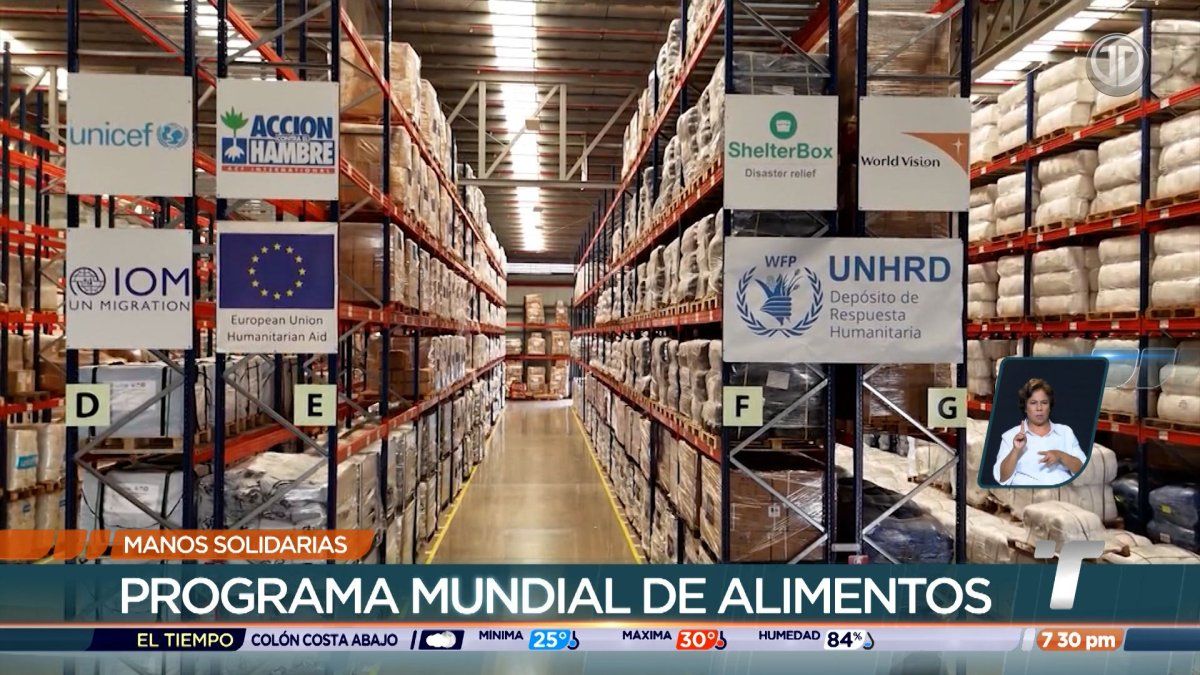
The United Nations World Food Programme (WFP) has stepped in to support relief efforts in Panama, deploying three mobile warehouses to help deliver assistance to families affected by the recent earthquake. The deployment highlights the international community’s rapid response to the disaster and the logistical challenges of reaching communities in need.
What Happened
According to Telemetro, the three mobile storage units provided by the WFP — the food assistance arm of the United Nations — contributed directly to the distribution of aid to families impacted by the earthquake in Panama. Mobile warehouses are transportable storage facilities that allow humanitarian organizations to receive, store, and distribute relief supplies close to affected populations, reducing delays in getting assistance to those who need it most.
The units are designed to strengthen the supply chain for emergency response, serving as staging points where food and other humanitarian goods can be organized before being delivered to affected households. Their use in Panama reflects a coordinated effort between the UN agency and national authorities responding to the seismic event.
Background
Panama sits in a seismically active region of Central America, where the interaction of tectonic plates along the Caribbean and Pacific margins can produce earthquakes of varying intensity. While the country is better known for its canal and service-driven economy, seismic activity periodically affects communities, particularly in rural and remote areas where infrastructure is more fragile and access can be difficult.
The World Food Programme is one of the world’s largest humanitarian organizations and a frequent first responder in emergencies worldwide. In disaster scenarios, the agency often provides not only food assistance but also logistics support — including storage, transport, and supply chain coordination — which is frequently as critical as the aid supplies themselves. Mobile warehouses are among the specialized tools the organization uses to establish supply hubs quickly in areas where permanent infrastructure is damaged or insufficient.
For families affected by a sudden earthquake, timely access to food and basic supplies is essential, especially for those who may have lost homes, belongings, or livelihoods. International support of this kind complements the efforts of Panama’s national civil protection system, which coordinates domestic emergency response.
What This Means for Panama
The WFP’s involvement signals that the earthquake’s impact on affected families was significant enough to warrant international logistical support. For the communities receiving assistance, the mobile warehouses mean aid can be stored and distributed more efficiently, helping to shorten the time between the arrival of supplies and their delivery to households.
The deployment also reflects the strength of Panama’s relationship with UN agencies. As home to a large hub of international organizations, Panama has long served as a regional operational center for humanitarian logistics in Latin America and the Caribbean, making rapid deployments of this kind feasible.
In the coming weeks, the key developments to watch will include whether additional WFP support or assistance from other international agencies is extended, how national recovery efforts progress in the affected zones, and whether families displaced or impacted by the quake receive sustained support as they rebuild. The operation serves as a reminder of the importance of disaster preparedness in a seismically active region and of the role international cooperation plays when emergencies strike.
This story was originally reported by Telemetro.