
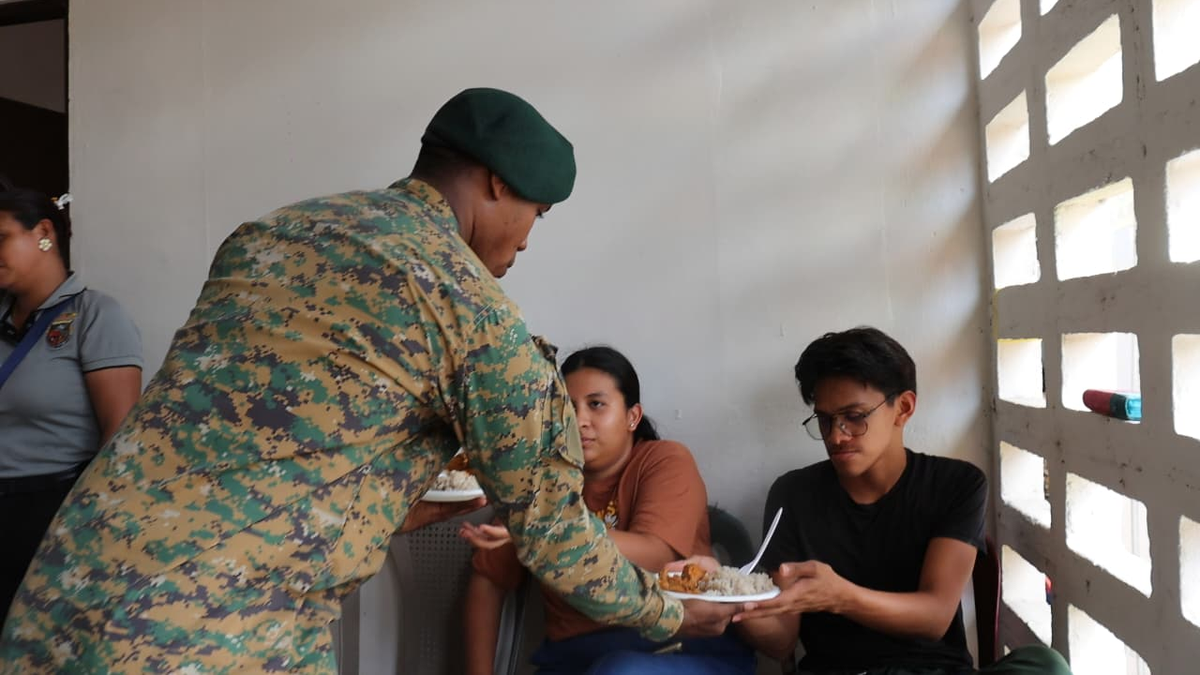
Panama’s National Border Service (SENAFRONT) has deployed 405 units to the province of Coclé to support humanitarian assistance and damage assessment efforts following the earthquake that struck the country. The operation, conducted under Plan Firmeza and coordinated by the Ministry of Public Security, is being commanded from Penonomé, the provincial capital.
What Happened
According to SENAFRONT, the 405 deployed units are carrying out two key missions in Coclé: delivering humanitarian aid to families affected by the earthquake and assessing the damage left behind. The deployment falls under Plan Firmeza, a security and emergency response framework coordinated by the Ministry of Public Security.
The command center for the operation has been established in Penonomé, positioning response leadership at the heart of the affected province. From there, authorities are directing the distribution of aid and the ongoing evaluation of conditions in communities across Coclé.
Background
Coclé is a central province of Panama situated along the country’s Pacific coast, with Penonomé serving as its capital. The region is home to a mix of urban centers, agricultural communities, and mountainous terrain, which can complicate relief logistics when natural disasters strike.
SENAFRONT, the National Border Service, is one of Panama’s principal security forces. While its core mandate centers on protecting the country’s borders, the agency is routinely mobilized for domestic emergency response, natural disasters, and humanitarian missions, working alongside other branches of the Ministry of Public Security.
Plan Firmeza is the coordinated operational framework through which the Ministry of Public Security organizes deployments of this kind, allowing police and security forces to respond rapidly to emergencies across the national territory.
What This Means for Panama
The scale of the deployment, more than 400 units concentrated in a single province, signals the seriousness with which authorities are treating the earthquake’s aftermath and the needs of affected families in Coclé.
For residents of the province, the operation means expanded access to humanitarian assistance in the coming days, as well as a structured effort to document damage to homes and infrastructure. Damage assessments of this kind typically inform subsequent government decisions about reconstruction aid and additional support.
The establishment of a command center in Penonomé also provides a clear coordination point for local authorities and affected communities seeking assistance.
Readers in and around Coclé can follow official communications from SENAFRONT and the Ministry of Public Security for updates on aid distribution and safety guidance as the operation continues.
This story was originally reported by Telemetro.