
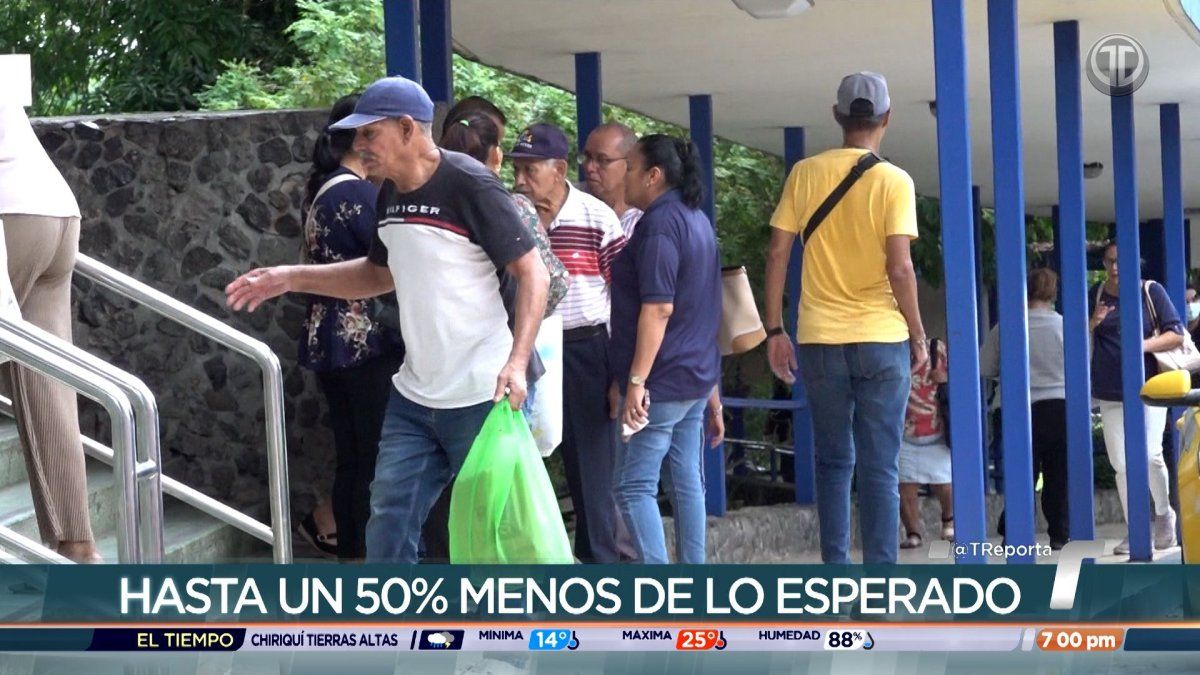
Contributors enrolled in Panama’s Mixed Pension Subsystem have gone before the full National Assembly to warn that they could receive up to 50 percent less in pension payments than they expected — a shortfall they say is the direct result of trusting information provided by authorities some two decades ago when they signed up for the program.
What Happened
Cotizantes, or contributing members, of the Subsistema Mixto de Pensiones appeared before the Plenary of the National Assembly to formally denounce the projected reduction in their retirement benefits. According to their testimony, they made enrollment decisions based on guidance and projections given to them by Panamanian authorities roughly 20 years ago. Now, as they approach retirement or recalculate their expected benefits, they say the amounts they are set to receive could be as much as half of what they were originally led to anticipate.
The appearance before the Assembly gives the affected contributors a public platform to press lawmakers on their situation at a moment when pension policy is under intense national scrutiny. Their complaint centers on the gap between the expectations created at the time of enrollment and the reality of the benefits now being calculated.
Background
The Mixed Pension Subsystem is one of the tracks within Panama’s social security framework, administered through the Caja de Seguro Social (CSS), the country’s social security agency. It was designed as an option that combines different benefit components, and thousands of Panamanian workers enrolled during the period when authorities were promoting it as an attractive alternative for retirement savings.
Panama’s pension system as a whole has been under sustained pressure for years. Demographic changes — an aging population and a shrinking ratio of active contributors to retirees — have strained the CSS finances, and successive governments have wrestled with how to keep the system solvent. The issue became one of the most contentious in national politics, prompting major debates over social security reform, including measures affecting retirement ages, contribution rates, and benefit calculations.
Against that backdrop, complaints from Mixed Subsystem contributors carry particular weight. If workers who followed official guidance two decades ago now face sharply reduced benefits, it raises questions about how pension projections were communicated and whether the state bears responsibility for the gap between promise and payout.
What This Means for Panama
The denunciation before the National Assembly places the contributors’ grievance directly in front of the body responsible for any legislative remedy. Lawmakers will face pressure to address whether transitional protections, recalculations, or other corrective measures should be extended to affected Mixed Subsystem members.
The case also underscores the human stakes of Panama’s broader pension reform debate. As discussions over the long-term sustainability of the CSS continue, the experience of these contributors illustrates how decisions made — and information given — decades ago shape retirees’ financial security today.
For the thousands of Panamanians enrolled in the Mixed Subsystem, the key questions now are whether the Assembly will take up their case, whether the projected 50 percent reductions can be verified and mitigated, and how their situation will be treated in any final pension legislation. The coming legislative sessions should offer clarity on whether their appeal translates into concrete action.
This story was originally reported by Telemetro.