
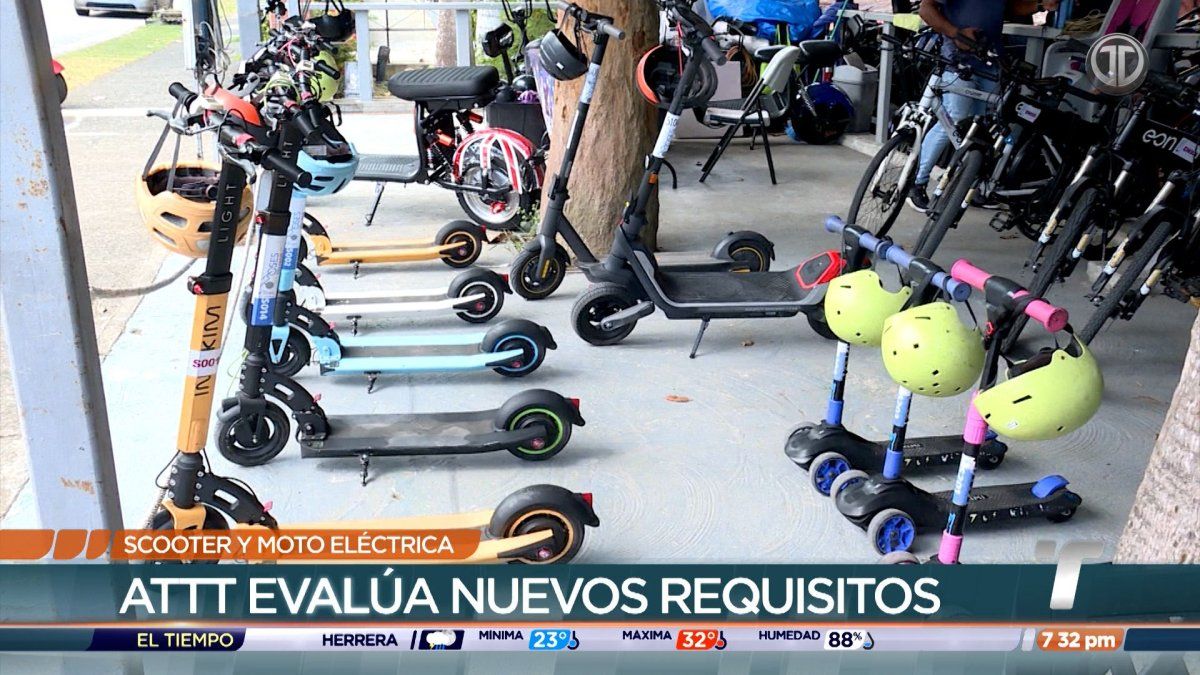
Panama’s land transit authority is preparing changes that could soon require riders of electric scooters and electric motorcycles to hold a license, as the country moves to bring fast-growing micromobility vehicles under formal traffic rules.
What Happened
The Autoridad de Tránsito y Transporte Terrestre (ATTT) is evaluating modifications to Panama’s Traffic Regulations aimed specifically at regulating the use of electric scooters and electric motorcycles. Under the proposed changes, citizens who use these vehicles as transportation could be required to obtain a driver’s license.
According to the source report from Telemetro, the initiative is currently at the evaluation stage, meaning the ATTT is reviewing how existing traffic rules would need to be amended to cover these increasingly popular modes of transport. No timeline for implementation has been announced.
Background
Electric scooters and electric motorcycles have grown rapidly in popularity across Panama in recent years, driven by rising fuel costs, urban congestion, and the appeal of low-cost personal mobility. These vehicles are commonly seen on Panama City streets, sidewalks, and bike lanes, occupying a gray area in a traffic framework that was written primarily with conventional cars and motorcycles in mind.
Panama’s Traffic Regulations govern everything from licensing requirements to vehicle classifications, and currently apply mainly to conventional automobiles and motorcycles. As electric scooters and e-motorcycles have proliferated, they have largely operated outside a clear regulatory category, raising questions about rider requirements, safety standards, and where such vehicles may legally circulate.
Governments across Latin America and beyond have faced similar challenges as micromobility expands, with many choosing to introduce licensing, age restrictions, helmet requirements, or speed limits for electric two-wheelers.
What This Means for Panama
If the ATTT moves forward with the regulatory changes, riders of electric scooters and electric motorcycles would need to secure a license before using these vehicles on public roads — a shift that would formalize their status as regulated vehicles rather than informal transport options.
The proposal signals that authorities are paying closer attention to the safety and legal status of electric mobility. For the thousands of Panamanians who have adopted e-scooters and e-motorcycles for commuting or delivery work, licensing requirements could add a new step — and potentially new costs — to using these vehicles.
Watch for the ATTT to publish details of the proposed regulatory amendments, including which vehicle types would be covered, what license category would apply, and any transition period for current riders. Public consultation or official announcements would typically precede enforcement.
This story was originally reported by Telemetro.