
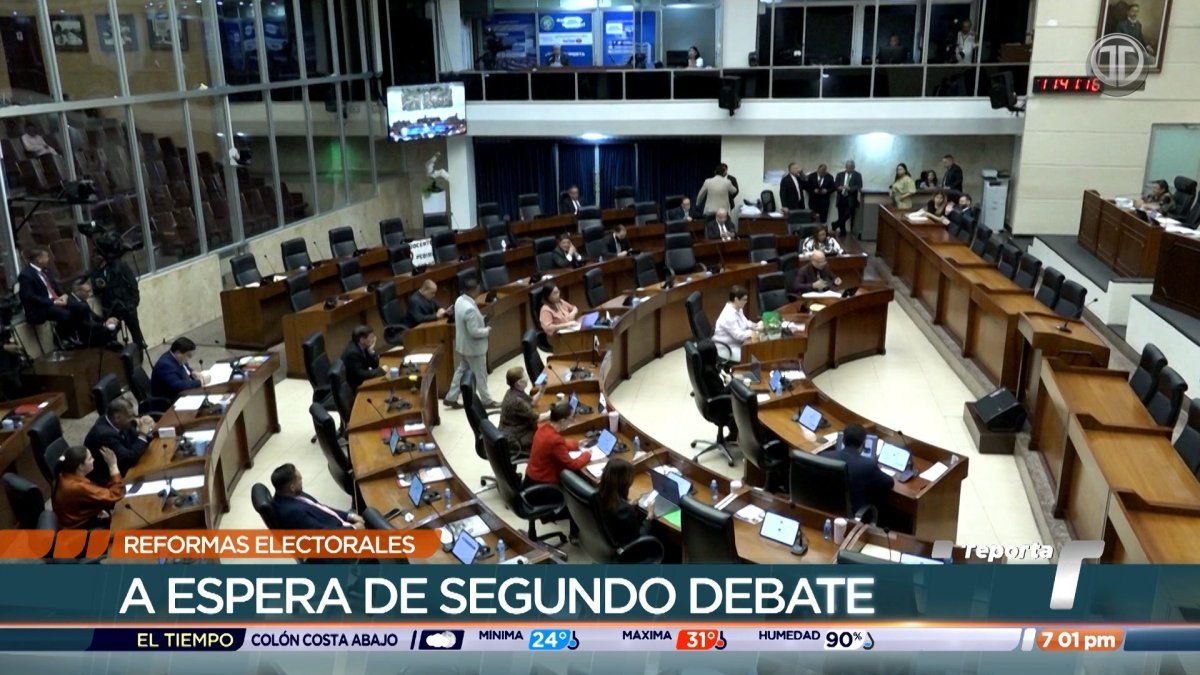
Panama’s proposed reforms to the Electoral Code remain frozen in the National Assembly, where the bill is still awaiting second debate. With lawmakers divided over how — or whether — to move forward, the legislation that could reshape key rules governing the country’s elections sits in legislative limbo.
What Happened
The bill containing reforms to the Electoral Code has not yet been taken up for second debate in the Pleno Legislativo, the full chamber of the National Assembly. According to some deputies, there is simply no political climate within the chamber to resume discussion of the measure at this time.
Meanwhile, the Panameñista caucus has taken a different position, calling for the bill to be returned to first debate. That would effectively restart the legislative process for the package, reopening discussions that had already advanced past the initial stage.
The combination of stalled momentum and a push to send the bill back means the reform effort is at a standstill, with no clear timeline for when — or in what form — it might return to the floor.
Background
The Electoral Code is the body of Panamanian law that governs how elections are conducted in the country, including rules on campaigns, voting procedures, and the organization and oversight of electoral authorities. Reforms to the code are among the most consequential pieces of legislation Panama’s National Assembly can consider, because changes to electoral rules can affect party registration, campaign financing, voting mechanics, and the balance of power among political forces.
Legislation in Panama typically advances through debates: a bill must pass first debate, then second debate in the full chamber, and finally a third debate before it can be approved and sent to the executive for enactment. A bill that stalls at second debate — or is returned to first debate, as the Panameñista caucus is requesting — faces significant delays and potential substantive changes.
Electoral reform is traditionally a sensitive topic in Panama, given the country’s history of transitions between democratic and authoritarian rule and the central role that free elections have played in its modern political life. Because of this, changes to electoral law often require careful negotiation among political parties, and disagreements between caucuses are common.
What This Means for Panama
The immediate effect of the impasse is uncertainty. Until the Pleno finds the will to resume debate, or agrees to the Panameñista request to return the bill to first debate, the current Electoral Code remains fully in force without modification.
For voters and political parties, the stakes are considerable: any eventual changes to the Electoral Code could influence how future elections are run in Panama. If the bill is sent back to first debate, its contents could be substantially revised before reaching the full chamber again, potentially altering provisions that had already won initial approval.
The disagreement also signals broader friction within the National Assembly. When deputies say there is “no climate” for debate, it typically reflects insufficient consensus among the chamber’s competing caucuses — a dynamic that can delay not only this bill but other legislative priorities as well.
What to watch next: whether the Assembly leadership schedules second debate in the coming weeks, whether the Panameñista bid to return the bill to first debate gains support from other caucuses, and whether the government or other political actors intervene to break the deadlock. The trajectory of this legislation will offer a clear signal of how much political appetite exists in Panama for changing the rules of its electoral system.
This story was originally reported by Telemetro.