
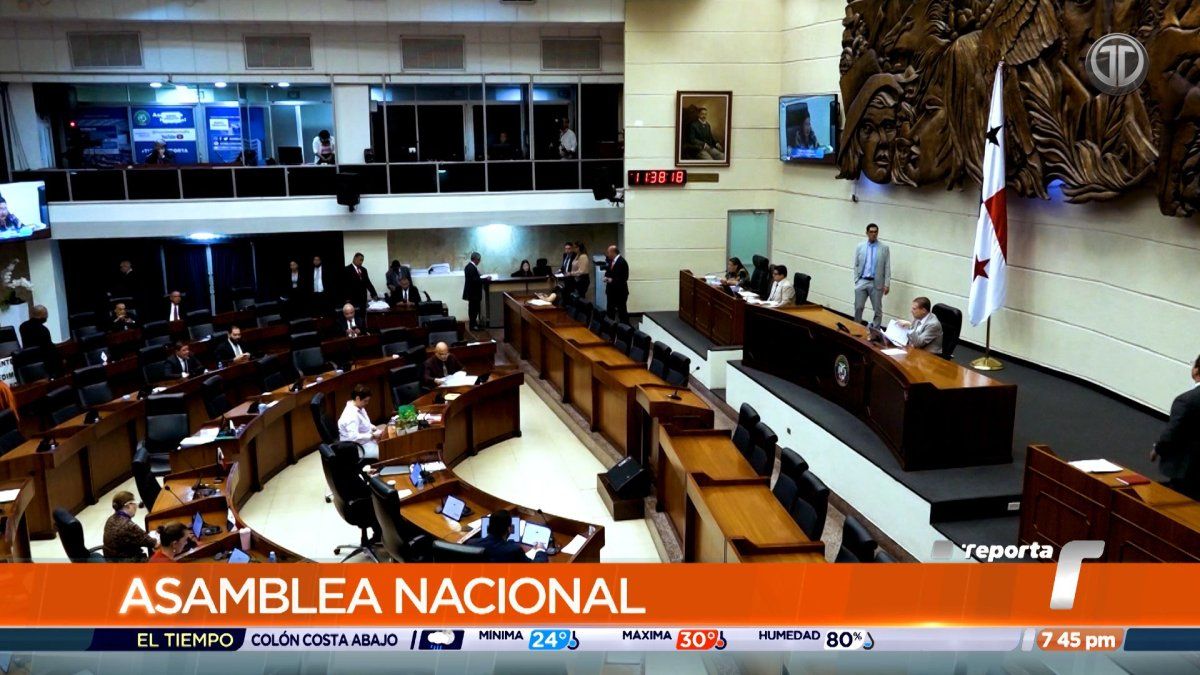
Panama’s National Assembly has only this month of ordinary sessions left to debate a series of high-profile bills, including proposed reforms to the Electoral Code now in second debate and a major overhaul of the electric energy law still in first debate, lawmakers’ agendas show.
What Happened
With the current period of ordinary sessions set to close at the end of the month, the National Assembly must decide the fate of several pending pieces of legislation. Among the most significant are the reforms to the Electoral Code, which have already advanced to second debate in the plenary. Meanwhile, the reform of the law governing electric energy remains in first debate, meaning it still faces the full legislative gauntlet before it can become law. Other projects are also awaiting discussion, adding to a crowded end-of-session calendar.
Under Panama’s legislative process, a bill must pass three debates in the National Assembly before it is approved and sent to the Executive for sanction. A project in second debate, such as the Electoral Code reform, is further along but can still be substantially amended or stalled. A bill in first debate, like the electricity law reform, has only cleared initial committee consideration and still requires two more rounds of plenary voting.
Background
Reform of the Electoral Code is one of the most politically sensitive items on the Assembly’s agenda. The Electoral Code governs how elections are organized and run in Panama, from voter registration to campaign rules to the structure of the Electoral Tribunal’s oversight. Changes to it typically generate intense negotiation among political parties, since electoral rules can shape the competitive landscape for future elections.
The electric energy law reform is similarly consequential. Panama’s electricity sector has been a subject of public concern amid debates over tariffs, generation sources, and the reliability of supply. Lawmakers have been discussing how to modernize the legal framework that regulates the generation, transmission, distribution and commercialization of electricity in the country.
Ordinary sessions of the National Assembly are limited to fixed periods each year under Panama’s Constitution. Once ordinary sessions conclude, the Assembly can only continue legislative work through extraordinary sessions, which must be convened by the Executive. This gives the current month particular weight: bills that do not advance now risk being delayed or requiring special convening to move forward.
What This Means for Panama
The compressed timeline puts pressure on lawmakers to prioritize. The Electoral Code reform, being in second debate, is the closest to passage, but second-debate discussions are often where the most contentious amendments surface, particularly on issues that affect party interests.
The electricity law reform faces a steeper climb. Still in first debate, it would need to clear two more plenary votes within the month to be approved before ordinary sessions end. Any failure to advance could push the discussion into extraordinary sessions or carry it over to a later legislative period.
For the public, the stakes are tangible. Electoral reforms could change how Panamanians vote and how campaigns are regulated in future elections, while the energy law reform could influence electricity costs and the direction of the country’s power sector. The coming weeks of plenary sessions will show which of these projects lawmakers can move across the finish line before the ordinary session window closes.
This story was originally reported by Telemetro.