
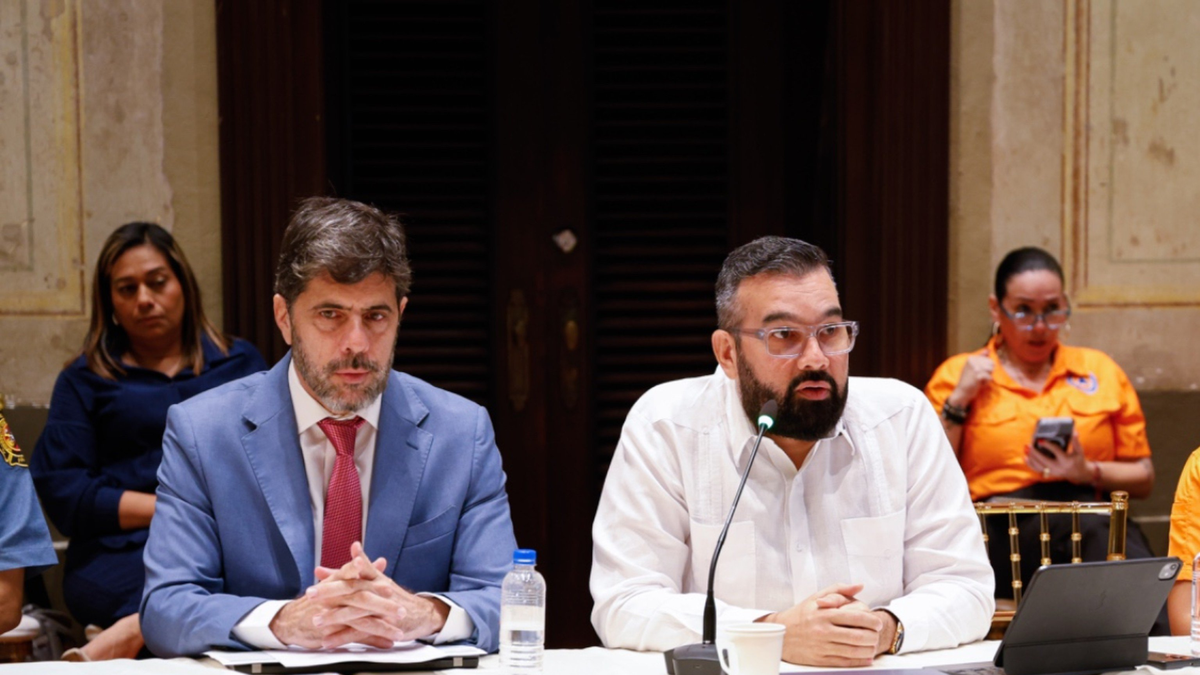
Panama’s National Institute of Aqueducts and Sewers (IDAAN) has activated a preventive coordination effort to guard the country’s drinking water supply against the possible effects of the El Niño climate phenomenon, as the agency joins interinstitutional actions designed to mitigate drought-related risks and reinforce service continuity.
What Happened
IDAAN announced it is participating in coordinated actions with other Panamanian government institutions aimed at mitigating the potential impacts of El Niño. The central goal of the effort is to reinforce the continuity of drinking water supply (abastecimiento de agua potable) across the country, ensuring that households and businesses do not face interruptions even if weather conditions strain the water system.
The announcement, reported by Telemetro, signals that the water utility is shifting into preventive mode rather than waiting for shortages to materialize. Interinstitutional coordination of this kind typically involves aligning the work of agencies responsible for water resources, emergency management, and public services so that responses can be rapid and unified.
Background
El Niño is a climate pattern driven by the warming of surface waters in the Pacific Ocean, and its effects are felt across Latin America. In Panama, El Niño episodes have historically been associated with below-average rainfall, particularly during the rainy season months when the country depends on replenishing its rivers, reservoirs, and lakes. Reduced rainfall directly affects the surface water sources from which IDAAN draws much of the drinking water it distributes to the population.
Panama has experienced previous El Niño events that led to dry conditions affecting water availability, and the Panama Canal watershed — which supplies water both for the interoceanic waterway and for a large share of the country’s population — is especially sensitive to rainfall deficits. Because drinking water and canal operations share the same limited resource, drought conditions put pressure on the entire national water system.
For IDAAN, whose mandate is to provide aqueduct and sewerage services nationwide, maintaining supply during dry periods requires advance planning, coordination with other state entities, and careful management of intake sources and distribution networks.
What This Means for Panama
The preventive activation means IDAAN is positioning itself early to protect a service that millions of Panamanians depend on daily. By coordinating with other institutions before any potential shortage occurs, the agency aims to avoid the kind of service disruptions that dry spells can cause, particularly in communities supplied by water sources vulnerable to low river flows and falling reservoir levels.
For residents, the message is one of institutional preparedness: the state’s water provider is monitoring the climate outlook and taking coordinated steps to keep tap water flowing. In practice, such preparations can include closer monitoring of supply sources, maintenance of infrastructure, and joint planning with emergency and environmental authorities.
The development also comes amid broader attention on Panama’s water resources, as drought pressure on the Canal watershed in recent years has highlighted how rainfall variability affects both drinking water and national economic activity. How effectively the interinstitutional coordination translates into uninterrupted service will be a key issue to watch if El Niño conditions strengthen in the months ahead.
This story was originally reported by Telemetro.