
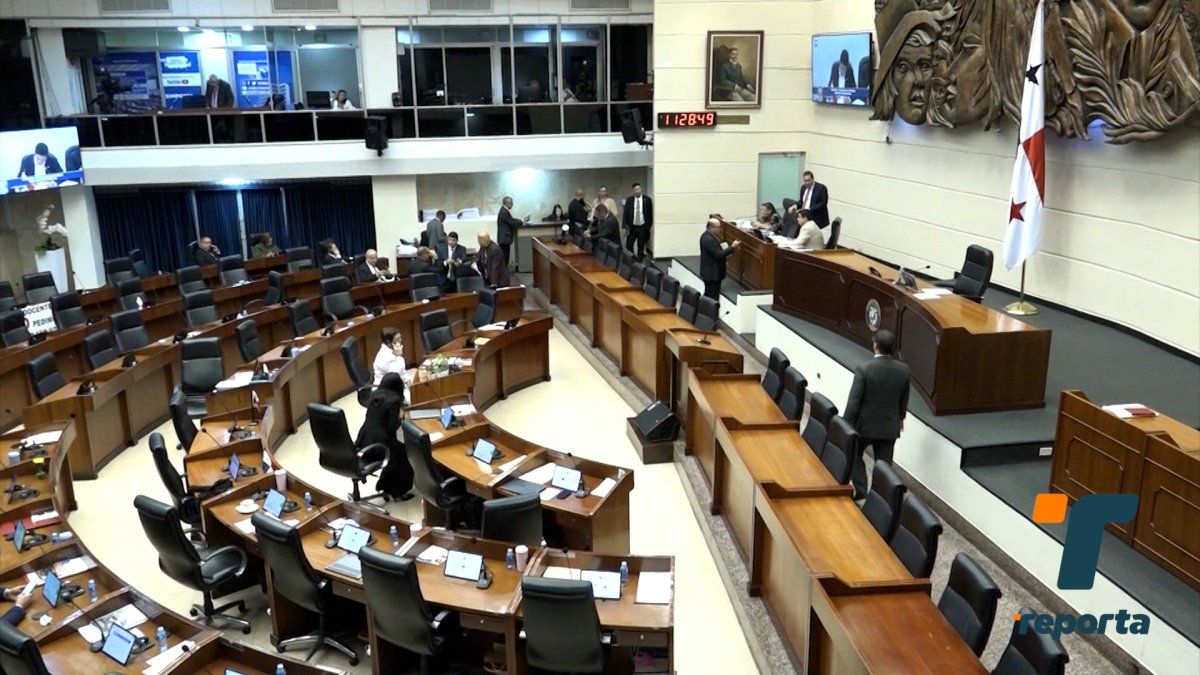
Proposed modifications to Panama’s electoral reform package, introduced by deputies in the National Assembly, have ignited internal crises within the country’s political parties — turmoil serious enough that some members of parliament have already resigned.
What Happened
Deputies in the National Assembly have introduced changes to a draft electoral reform bill under debate in the legislature. According to a report by Telemetro, those modifications have produced internal upheaval inside Panama’s political parties, with the friction escalating to the point that some parliamentarians have stepped down from their posts.
The resignations mark an unusual level of internal discord, as parties typically work to present a unified front during major legislative negotiations. The electoral reform process, rather than simply pitting government against opposition, has instead opened fissures within the parties themselves.
Background
Electoral reform has been one of the most closely watched legislative issues in Panama in recent years. Proposals have touched on how parties select candidates, how the Electoral Tribunal oversees elections, and how citizens participate in the democratic process. Because electoral rules shape who can run for office and how power is distributed, debates over reform tend to expose deeper tensions within political organizations.
Panama’s political parties have historically been broad coalitions rather than ideologically unified movements, which makes them especially sensitive to changes in electoral rules. When the rules of competition shift, factions within parties often disagree over whether the changes help or hurt their influence — and the current wave of resignations illustrates how high the stakes have become.
The National Assembly, Panama’s unicameral legislature, is the body responsible for debating and approving any electoral reform, which would then govern future elections organized under the supervision of the Electoral Tribunal.
What This Means for Panama
The resignations signal that the proposed changes are significant enough to reshape party dynamics, not merely technical adjustments to voting procedures. Internal splits could affect how parties position themselves in future elections, potentially altering alliances, candidate selection, and leadership structures.
For voters, the outcome of this reform debate will help determine the framework of the next electoral cycle. Key questions to watch include which specific modifications survive the legislative debate, whether more deputies resign or break with their parties, and how the Electoral Tribunal responds to the final approved text.
The episode also underscores a broader point about Panamanian politics: electoral reform is rarely just about procedure. It is about power — who holds it, how it is contested, and which political actors benefit from the new rules. As the debate continues in the National Assembly, the internal crises now gripping the parties may prove to be as consequential as the reforms themselves.
This story was originally reported by Telemetro.