
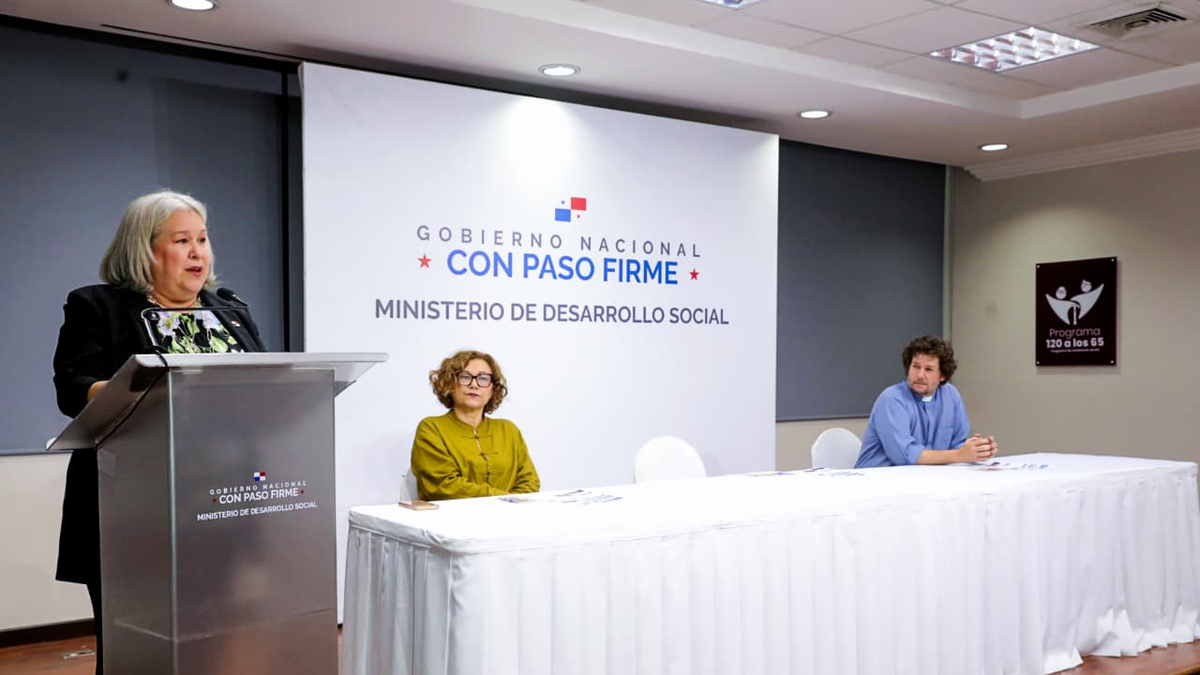
Panama is moving toward a coordinated national strategy to assist people experiencing homelessness, as the Ministry of Social Development (MIDES) convened public institutions, municipal authorities, social organizations, and faith communities to strengthen how the country responds to one of its most vulnerable populations.
What Happened
MIDES brought together representatives from government agencies, municipalities, civil society organizations, and faith-based communities in a coordinated effort to improve care for people living on the streets of Panama. The meeting centered on two key outcomes: the development of a national plan for comprehensive care and the creation of intervention protocols designed to unify the response across the country’s different municipalities.
By assembling such a broad range of actors, the ministry aims to replace fragmented, locally varying approaches with a standardized framework that can guide how shelters, outreach teams, health services, and social programs operate in every part of the country.
Background
Homelessness in Panama has traditionally been addressed through a patchwork of initiatives run separately by government agencies, municipal governments, religious groups, and nonprofits. Panama City and other urban centers have long had visible street populations, and support has often depended on the capacity and priorities of individual municipalities or charitable organizations.
MIDES is the government body responsible for social protection programs in Panama, including assistance to vulnerable groups such as low-income families, people with disabilities, and older adults. Faith communities and civil society organizations have historically played a significant role in filling gaps, operating soup kitchens, shelters, and outreach services.
The push for a national plan reflects a growing recognition that homelessness requires an articulated, structured response rather than isolated efforts, and that coordination among all levels of government and society is essential to deliver comprehensive care.
What This Means for Panama
The creation of a national plan would mark a shift toward treating homelessness as a nationwide policy priority rather than a local or charitable concern. Standardized intervention protocols could help ensure that a person experiencing homelessness receives consistent support regardless of which municipality they are in, whether through health care, shelter access, or social reintegration services.
For municipalities, the plan is expected to provide a clearer framework for how they partner with MIDES and community organizations, potentially streamlining resources and avoiding duplicated efforts. For faith communities and social organizations, formal articulation with the state could mean better coordination and expanded reach for their existing programs.
The next steps to watch include the publication of the national plan itself, the specific content of the intervention protocols, and how funding and responsibilities will be distributed among ministries, municipalities, and community partners. How effectively these actors can work together will determine whether the strategy translates into meaningful change for the people it is designed to serve.
This story was originally reported by Telemetro.