
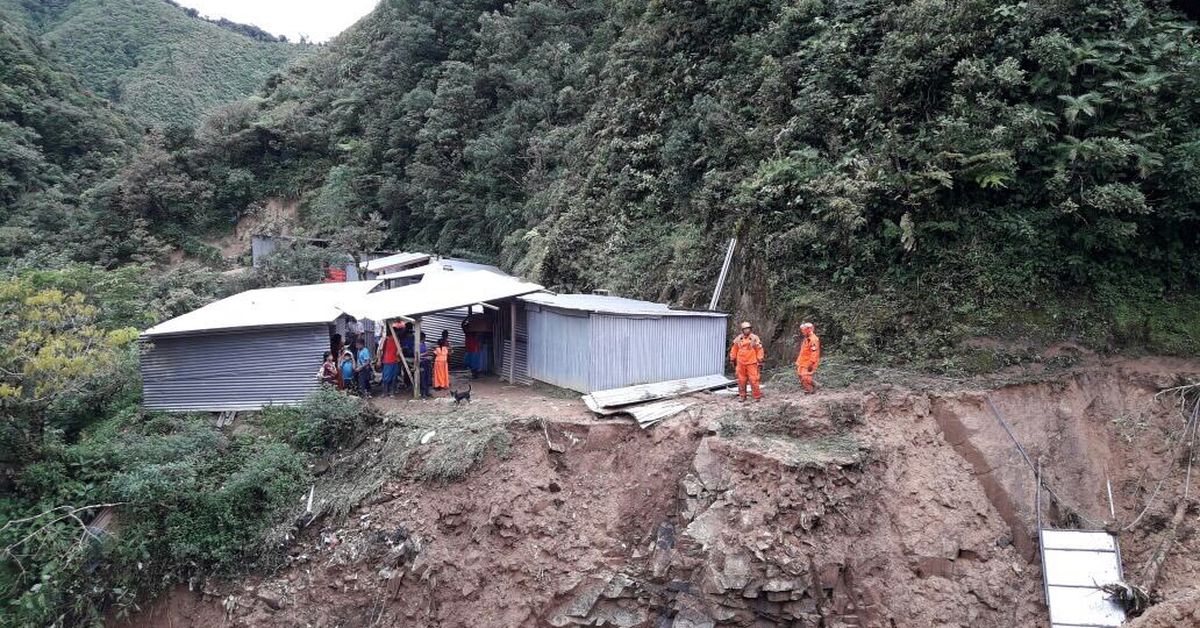
President José Raúl Mulino has firmly denied reports of a mining project at Cerro Colorado, calling the claims “absolutely false.” The president’s direct rebuttal comes amid public speculation about the future of one of Panama’s largest copper deposits, located in the Ngäbe-Buglé Comarca region.
What Happened
Speaking publicly, Mulino rejected suggestions that his administration is promoting or advancing a mining project at Cerro Colorado, describing the reports as completely untrue. The denial directly addresses rumors that have circulated about the government’s intentions for the copper-rich area in western Panama.
The president’s use of the phrase “absolutamente falso” — absolutely false — signals an unambiguous rejection of the claims, leaving no room for interpretation about the administration’s stated position on the matter.
Background
Cerro Colorado, located in the Ngäbe-Buglé Comarca in Chiriquí province, holds one of Panama’s most significant copper reserves and has long been considered a potentially valuable mining asset. However, the site sits within or near indigenous territory, where communities have historically opposed large-scale mining.
Mining has become one of the most politically sensitive issues in Panama following the widespread protests of 2023, when mass demonstrations forced the government of Laurentino Cortizo to order the closure of the Cobre Panamá mine, operated by First Quantum Minerals. That mine had been one of the country’s largest sources of export revenue and employment, and its closure left a significant hole in public finances.
Since taking office, Mulino has repeatedly had to navigate questions about the economic trade-offs between mining revenue and public opposition. Any suggestion that a new major mining operation is being considered — particularly at a site as symbolically charged as Cerro Colorado — is likely to provoke strong reactions from indigenous groups, environmental organizations, and segments of the public still mobilized by the Cobre Panamá conflict.
What This Means for Panama
Mulino’s denial is significant because it draws a clear public line on an issue that could quickly reignite social unrest. By explicitly rejecting the reports, the president is seeking to reassure skeptical audiences — especially in the Ngäbe-Buglé region — that no mining development is being planned at Cerro Colorado under his administration.
The episode also illustrates the persistent political pressure surrounding Panama’s mining sector. Even unconfirmed reports about a project can generate enough controversy to require a presidential response, demonstrating how sensitive the topic remains more than a year after the Cobre Panamá shutdown.
For observers of Panamanian politics, the key question going forward is whether the government’s position on Cerro Colorado remains consistent, and how the administration will address the broader fiscal challenges left by the loss of mining revenue. With public opinion firmly shaped by the 2023 protests, any future move involving the country’s mineral resources is likely to face intense scrutiny from communities, civil society, and the political opposition alike.
This story was originally reported by TVN 2.