
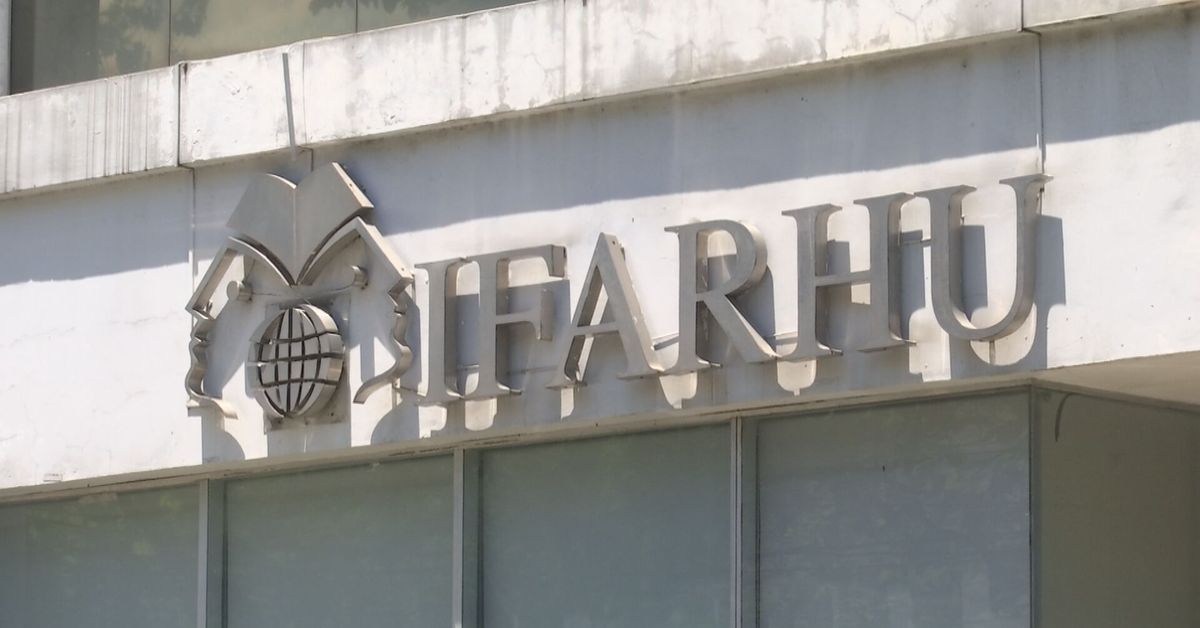
Panama’s Institute for the Training and Use of Human Resources (Ifarhu) has activated a formal collection process aimed at recovering outstanding student loan debts, with actions directed not only at principal debtors but also at co-signers who guaranteed those obligations.
What Happened
According to a report by TVN 2, Ifarhu has initiated a cobro (collection) procedure that contemplates measures against both the primary borrowers and the co-debtors who assumed responsibility for the loans under the conditions established to guarantee the credits. The process opens the door to potential asset seizure (embargo) against those who have failed to meet their repayment obligations. The report raised the question of which goods and assets could ultimately be subject to embargo as the collection process moves forward.
Background
Ifarhu is the Panamanian government institution responsible for financing higher education through scholarships and student loans. For decades, it has provided loans to thousands of Panamanian students to study at universities inside the country and abroad. Unlike scholarships, these loans must be repaid once beneficiaries complete their studies and enter the workforce. Co-signers — often parents or relatives — are frequently required to guarantee the loans, meaning they share legal responsibility for the debt if the primary borrower defaults.
Student loan recovery has long been a challenge for Ifarhu. Unpaid obligations reduce the pool of funds available to finance new generations of students, which is why the institute periodically intensifies its collection efforts. Under Panamanian law, when administrative collection efforts fail, creditors including state institutions can pursue judicial measures such as embargoes on debtor assets. Typically, assets that may be subject to seizure in such processes include bank accounts, real estate, vehicles and other registered property, subject to the limits and protections established by law, such as exemptions for primary residences and essential household goods under certain conditions.
What This Means for Panama
The activation of this collection process signals a firmer stance by Ifarhu on recovering public funds tied to educational financing. For former beneficiaries with outstanding balances, the development means the risk of legal consequences — including possible asset embargo — has become concrete rather than theoretical. Importantly, the process explicitly extends to co-signers, a reminder that guarantors are exposed to the same collection actions as the students themselves.
For Panama more broadly, the effectiveness of this initiative could have a direct impact on the sustainability of Ifarhu’s loan programs. Every recovered balen represents funds that can be redirected toward new scholarships and loans for upcoming students. Observers will be watching how many debtors respond to the process, whether Ifarhu offers payment arrangements or settlement options, and how the courts handle any embargo requests that result. Borrowers and co-signers with outstanding loans would be well advised to verify their status with Ifarhu and seek to regularize their situation before judicial measures advance.
This story was originally reported by TVN 2.