
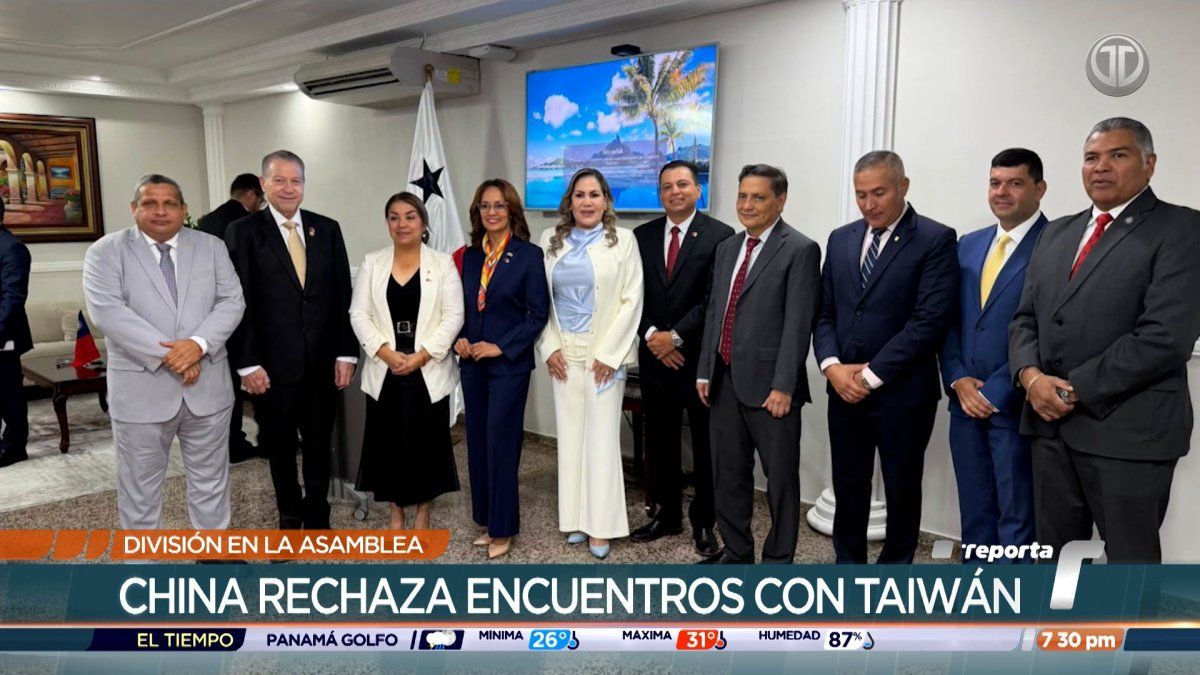
Members of Panama’s National Assembly have formed competing blocs — some backing closer ties with China and others supporting Taiwan — exposing a deepening division within the legislature over the country’s foreign policy direction and the benefits Panama should pursue from each relationship.
What Happened
According to a report by Telemetro, deputies in the National Assembly have created distinct groups, with one camp advocating for Panama’s relationship with the People’s Republic of China and another supporting continued ties with Taiwan. The formation of these rival groupings has produced an open split among lawmakers regarding the establishment and management of diplomatic relations, and over which partner offers Panama the greatest advantages.
The division reflects a broader debate playing out within Panama’s political class about how the country should balance its international relationships. Rather than presenting a unified position, legislators are now openly organized along competing lines, with each faction arguing that its preferred alignment best serves the national interest.
Background
Panama switched its diplomatic recognition from Taiwan to the People’s Republic of China in 2017, a decision that reshaped the country’s foreign policy and opened the door to expanded trade and investment links with Beijing. At the same time, Taiwan had long been a partner of Panama, and historical, commercial and cooperative ties between the two date back decades.
The debate carries particular weight for Panama given its strategic position. Home to the Panama Canal, one of the world’s most important trade arteries, the country has historically navigated relationships with major powers carefully. China is a major user of the canal, and the question of how closely Panama should align with Beijing — while weighing the value of its prior relationship with Taipei — remains a sensitive issue in Panamanian politics.
Legislative blocs dedicated to foreign policy questions are not unusual in the National Assembly, but the emergence of parallel groups supporting rival powers on the same issue signals that the China-Taiwan question has become a live political fault line rather than a settled matter.
What This Means for Panama
The split in the Assembly suggests that Panama’s China policy will remain contested terrain. With deputies openly organized into competing camps, future votes, statements or initiatives related to diplomatic relations, trade agreements or cooperation projects could become battlegrounds between the two factions.
For the government, a divided legislature complicates the task of pursuing a coherent foreign policy. Executive initiatives involving China — whether investment deals, infrastructure cooperation or trade matters — may face greater scrutiny depending on how the legislative blocs align.
Observers of Panamanian politics will be watching how these groups evolve: whether they grow in size and influence, whether they formalize their positions through resolutions or legislation, and how their rivalry affects Panama’s handling of its relationships with both Beijing and Taipei going forward.
This story was originally reported by Telemetro.