
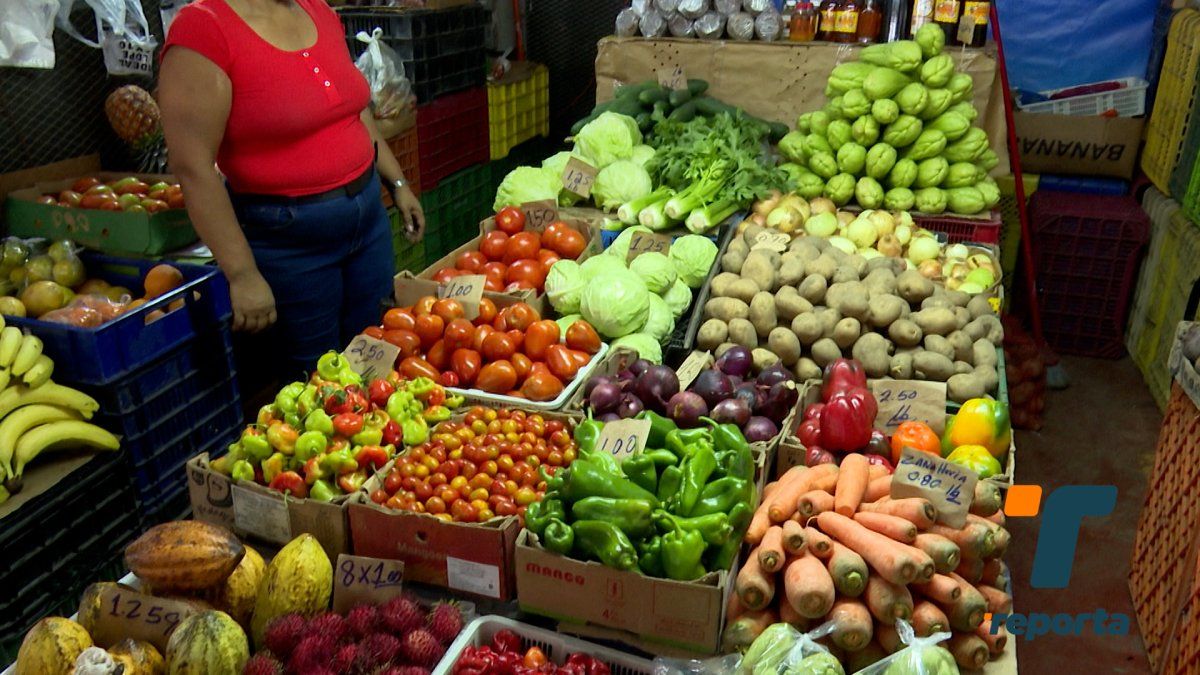
Vendors at Merca Panamá, the country’s main wholesale food distribution center, are forecasting price increases for a range of agricultural products in the coming weeks. The anticipated hikes are being driven by two converging pressures: rising fuel costs and the effects of the El Niño weather phenomenon, both of which are squeezing producers and distributors across the country.
What Happened
According to a report by Telemetro, sellers at Merca Panamá said they expect the prices of some agricultural products to climb as a result of the increase in fuel costs. Higher fuel prices raise the cost of transporting goods from farms to markets, and those added expenses are typically passed along the supply chain until they reach consumers.
Vendors also pointed to the El Niño phenomenon as a second factor putting upward pressure on prices. El Niño is associated with shifts in rainfall and temperature patterns that can disrupt planting cycles, reduce harvests, and damage crops, all of which reduce the supply of produce available to the market.
Merca Panamá serves as a central hub where much of the country’s fresh produce is bought and sold, making price movements there a reliable early indicator of what consumers will see at retail markets and supermarkets throughout Panama.
Background
Fuel and food prices in Panama are closely linked. Most agricultural goods travel by road from production areas, often in the interior of the country, to distribution points in Panama City and other urban centers. When diesel and gasoline prices rise, transportation costs increase, and vendors say those costs inevitably affect the final price consumers pay.
El Niño is a recurring climate pattern characterized by the warming of Pacific Ocean surface waters, which alters weather conditions across Latin America. In Panama, the phenomenon has historically been linked to drier conditions and reduced rainfall, which can hurt crop yields and limit the availability of water for farming. For a country that imports a significant share of its food while also relying on domestic agricultural production, weather disruptions can have a noticeable effect on market supply.
Merca Panamá, located in Panama City, is the primary wholesale market for fruits, vegetables, and other agricultural products in the country. Price changes observed there tend to ripple outward to street markets, grocery stores, and restaurants nationwide.
What This Means for Panama
For Panamanian households, the expected price increases could mean higher costs for basic food items in the near term, adding pressure to family budgets already affected by broader cost-of-living concerns. Fresh produce is a staple of the Panamanian diet, and even modest price increases on staples are felt quickly by consumers.
For farmers and vendors, the combination of higher fuel costs and weather-related supply challenges tightens already thin margins. Producers facing drought conditions or irregular rainfall may see smaller harvests, while distributors confront steeper logistics costs.
Observers will be watching how these two pressures evolve in the coming weeks and months: whether fuel prices continue to rise, and how severely El Niño conditions affect planting and harvesting cycles. Price movements at Merca Panamá will serve as a key signal of what lies ahead for food costs across the country.
This story was originally reported by Telemetro.