
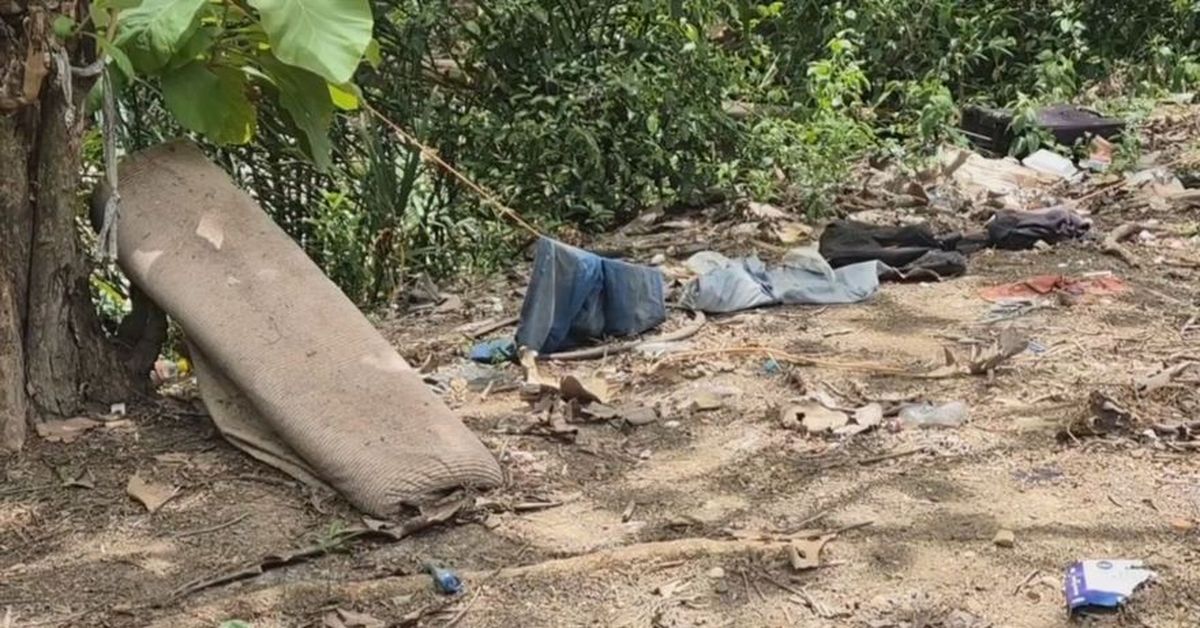
Panama’s National Assembly is advancing a bill that would make the Ministry of Social Development (Mides) the lead agency coordinating the country’s policy for assisting people living on the streets, in what supporters describe as an effort to bring order and humanity to a growing humanitarian challenge.
What Happened
According to a report from TVN 2, the proposed legislation assigns Mides the responsibility of coordinating and directing the national policy of care for homeless individuals. Deputy Ernesto Cedeño, one of the bill’s backers, has been a leading voice on homelessness in the National Assembly and has previously pushed measures aimed at addressing street populations in Panama City and beyond.
The bill also includes a controversial provision: it would allow for the involuntary and exceptional admission of homeless individuals into care when a medical evaluation determines that they represent a danger to themselves or to others. Lawmakers behind the proposal frame this mechanism as a last-resort measure, applied only under strict medical criteria rather than as a tool for routine removal of people from public spaces.
The initiative comes as visible homelessness has increased in parts of Panama City, particularly in areas around markets, bus terminals and commercial districts, prompting public debate over how the state should respond.
Background
Until now, attention to homeless people in Panama has been distributed across several institutions, including Mides, the Ministry of Health, municipal authorities and religious and civil society organizations that operate shelters and feeding programs. Mides already runs social assistance programs, but the bill would formalize its role as the central coordinator of homeless policy, an approach aimed at avoiding duplicated efforts and gaps in care.
The question of involuntary intervention is sensitive. Human rights advocates have long argued that forcing people into institutions can violate individual liberties, while supporters of such measures argue that people suffering from severe mental illness or addiction sometimes cannot make safe decisions for themselves, and that the state has a duty to protect the most vulnerable. Panama’s Constitution and international treaties it has ratified protect personal liberty, which is why the bill’s text emphasizes that any involuntary admission would be exceptional and tied to medical evaluation.
What This Means for Panama
If approved, the law would give Mides a clear mandate and institutional responsibility for homelessness, which could improve coordination among agencies and channel more structured resources toward shelters, medical care and reintegration programs.
The involuntary admission clause will likely be the focal point of legislative debate. Watch for amendments defining who conducts the medical evaluations, what legal safeguards apply, and how oversight would work to prevent abuse. Civil society organizations and human rights defenders are expected to weigh in as the bill moves through committee and floor debates.
For Panamanians, the outcome will signal how the country balances public order concerns on its streets with the rights and dignity of its most vulnerable citizens.
This story was originally reported by TVN 2.