
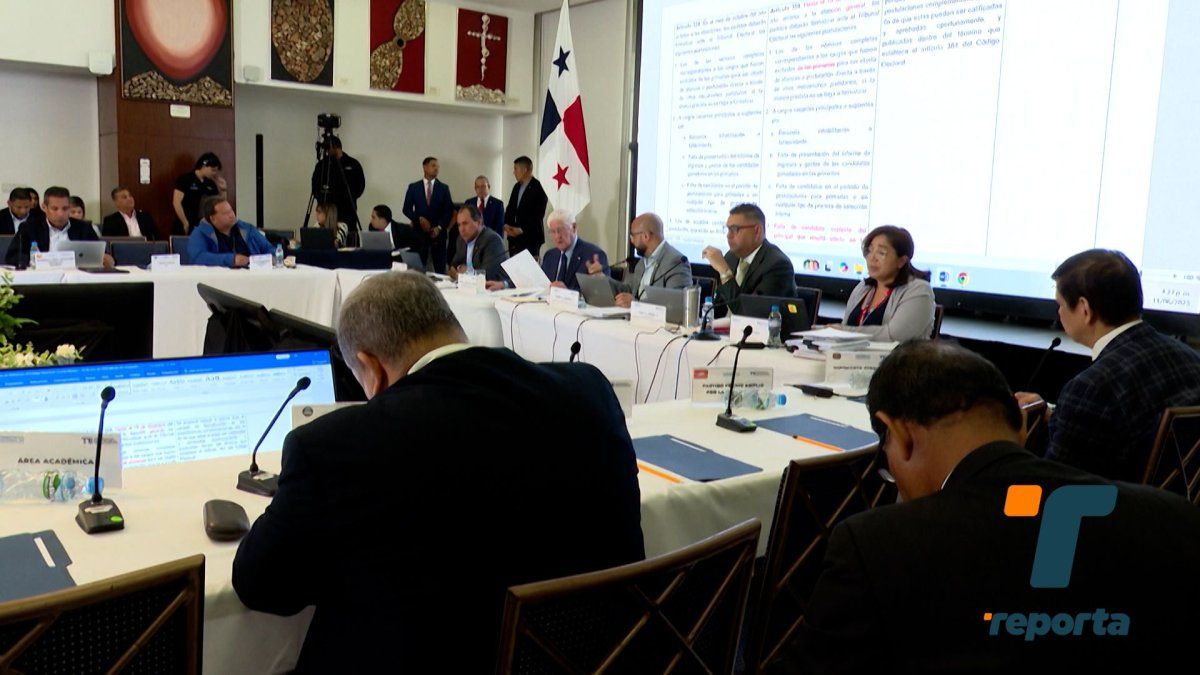
Panama’s Electoral Court (Tribunal Electoral) has put forward a package of electoral reforms that would eliminate the National Commission on Electoral Reforms (Comisión Nacional de Reformas Electorales), the body historically responsible for discussing and building consensus around changes to the country’s Electoral Code. The proposal, reported by Telemetro, has already generated reactions across Panama’s political landscape.
What Happened
The reform package presented by the Tribunal Electoral includes two closely linked elements. First, it proposes the outright elimination of the Comisión Nacional de Reformas Electorales, the standing body that has traditionally served as the forum for debating electoral legislation. Second, it introduces a change to the mechanism used to discuss and reach consensus on future modifications to the Electoral Code, which governs how elections are organized and run in Panama.
The announcement has drawn reactions from political actors and observers concerned with how Panama’s democratic institutions function. The proposal comes as part of a broader set of electoral reforms being advanced by the electoral authority.
Background
The Comisión Nacional de Reformas Electorales has long been part of Panama’s institutional framework for updating its electoral laws. Rather than having changes to the Electoral Code negotiated solely among political parties in the National Assembly, the commission has historically brought together a range of actors to deliberate on proposed reforms, providing a space for consensus-building before legislation reaches the formal legislative process.
The Electoral Code is the central legal instrument governing elections in Panama, covering everything from voter registration and campaign rules to the organization and oversight of voting by the Tribunal Electoral, the autonomous body that administers elections in the country. Reforms to the code are typically debated well in advance of national elections, as changes made close to voting periods tend to be controversial.
Proposals to eliminate or restructure consensus mechanisms are often sensitive because they touch on questions of who holds influence over the rules of the electoral game — a matter of intense interest to political parties, civil society, and voters alike.
What This Means for Panama
If approved, the elimination of the commission would change the pathway through which future electoral reforms are debated and agreed upon in Panama. The Tribunal Electoral’s proposal to replace the current mechanism signals its view that a different process could be more effective for updating the Electoral Code.
Stakeholders will now be watching how the proposal moves forward, including the reception it receives from political parties, civil society organizations, and lawmakers. The debate over the reform package is likely to center on whether a new mechanism can preserve the breadth of participation and consensus-building that the commission was designed to provide.
The discussion also comes at a time when confidence in electoral institutions is a priority across the region, making the design of Panama’s reform process a matter of public interest well beyond the halls of the Tribunal Electoral.
This story was originally reported by Telemetro.