
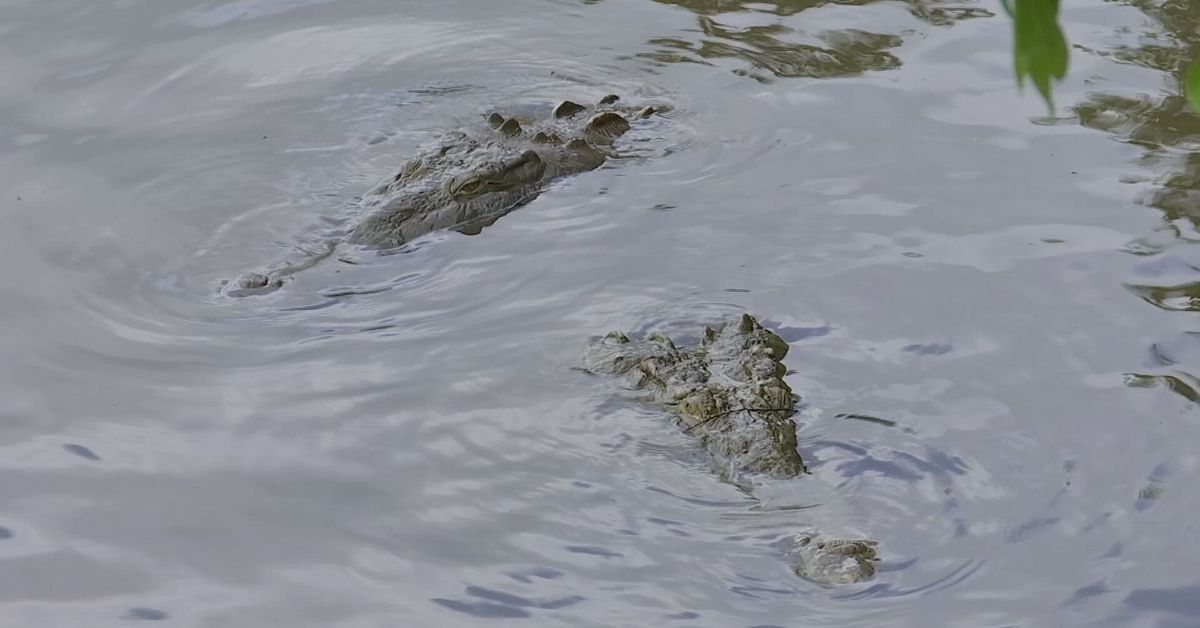
Tensions are running high in Puerto Coquira following a crocodile attack on a local fisherman, an incident that has rattled this coastal community where fishing is not just a job but a way of life. Residents and local voices are now calling on people to avoid practices that could change the behavior of these reptiles and put more lives at risk.
What Happened
According to a report by TVN 2, a fisherman was attacked by a crocodile in the waters near Puerto Coquira, a fishing port where small boats — lanchas — set out daily and where contact between humans and wildlife is part of everyday routine. The attack has generated growing concern among residents who make their living from the sea.
The report notes that the community’s main message is prevention: people should avoid actions that may alter the natural behavior of crocodiles, such as practices that habituate the animals to humans or draw them closer to areas of frequent activity. The worry, residents say, is that altered crocodile behavior increases the danger not only for fishermen but for anyone working in or near the port.
Background
Puerto Coquira, located on Panama’s Caribbean coast in the Portobelo district of Colón Province, is one of the country’s most important landing points for artisanal fishing. Every day, dozens of lanchas depart from its docks, and the trade supports hundreds of families in the surrounding communities.
Panama’s coastal waters, mangroves and river mouths are natural habitat for the American crocodile (Crocodylus acutus), a species protected under Panamanian law. While attacks on humans are relatively uncommon, they do occur, particularly where people and crocodiles share the same waters day after day. Wildlife authorities in Panama have long warned against feeding crocodiles or discarding fish waste near docking areas, because such practices teach the reptiles to associate humans and boats with food — a dynamic that can make encounters far more dangerous.
In busy fishing ports like Coquira, where cleaning catch at the dock is a common practice, the line between routine work and risky behavior can be thin. That is precisely why community leaders are emphasizing the need to change habits before more incidents occur.
What This Means for Panama
The attack is a reminder of the delicate balance required in communities that live directly alongside wildlife. For the fishermen of Puerto Coquira, the concern is immediate: their livelihoods depend on entering the same waters where crocodiles live, and any change in the animals’ behavior translates directly into personal risk.
The community’s call to avoid practices that alter crocodile conduct points to practical steps that can reduce danger — responsible handling of fish waste, avoiding feeding or approaching the animals, and exercising caution in areas known to be frequented by crocodiles, especially at dawn and dusk when the reptiles are most active.
The situation also highlights the broader challenge for Panama of managing its protected wildlife in areas of intense human activity. Because the American crocodile is a protected species, solutions must focus on coexistence and prevention rather than elimination of the animals.
For now, the fishermen of Puerto Coquira continue to launch their lanchas each morning, but with a heightened awareness that their workplace is shared. Whether local authorities respond with signage, education campaigns or waste-management measures at the port may determine whether this attack remains an isolated incident or a warning of things to come.
This story was originally reported by TVN 2.