
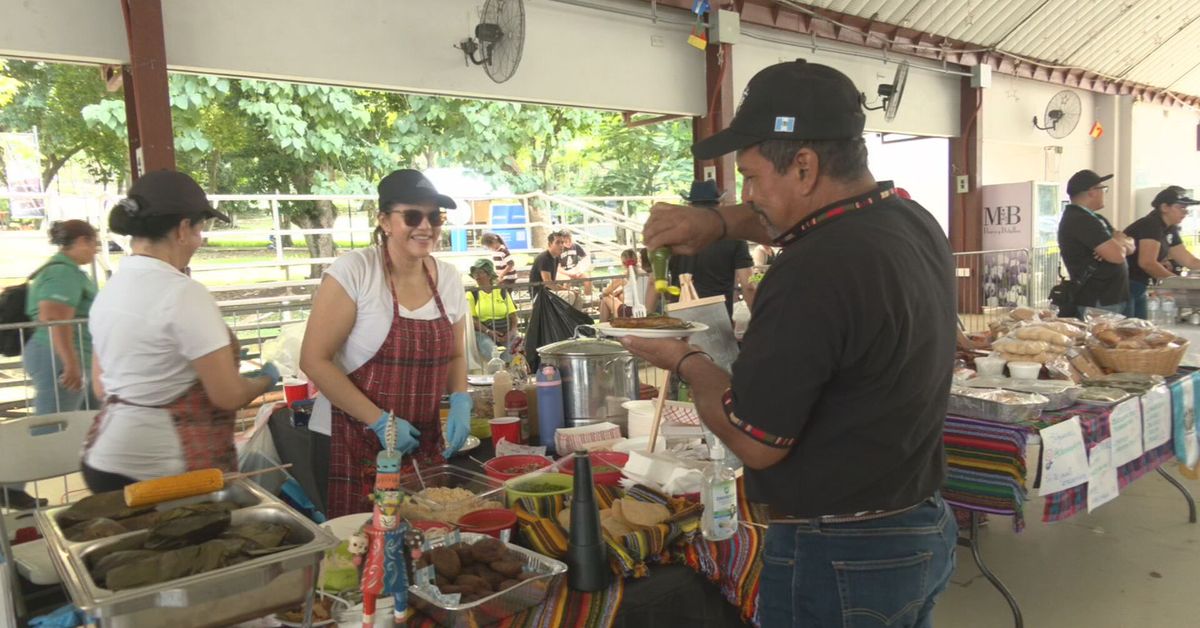
Panama City became a meeting point for the region this month as Central American nations celebrated 205 years of independence with a vibrant festival of food, music, and tradition at Parque Omar. The event, reported by TVN 2, highlighted both the shared history of the isthmus and the deep cultural ties that bind Panama to its neighbors.
What Happened
According to TVN 2, the celebration took place at Parque Omar in Panama City, where the countries of Central America came together to commemorate 205 years of independence “with flavor and tradition.” The gathering featured displays of regional cuisine, folkloric expression, and cultural showcases representative of the participating nations.
Beyond the festivities, the event served as a space for sharing and strengthening the cultural bonds between Panama and the other Central American countries, as the source noted. Attendees were able to experience the traditions of the region firsthand in a family-friendly public setting.
Background
Central America’s independence dates back to September 15, 1821, when the region declared its independence from Spain. That moment is commemorated annually by Costa Rica, El Salvador, Guatemala, Honduras, and Nicaragua, while Panama, then part of Colombia, marks its independence from Spain on November 28, 1821. Despite the different dates, the nations of the isthmus share a common historical trajectory and celebrate the anniversary of Central American independence together each September.
Parque Omar, one of Panama City’s largest and most visited public parks, frequently hosts cultural and community events, making it a natural venue for a regional celebration of this kind. Events like this one reflect Panama’s role as a crossroads of the Americas, a country whose history, commerce, and migration patterns have long connected it to both Central America and the wider region.
What This Means for Panama
The celebration underscores Panama’s continued investment in regional identity and cultural diplomacy. By bringing together the Central American community in Panama — including nationals of neighboring countries who live and work here — events like this reinforce the country’s position as a hub not only for trade and finance but also for cultural exchange.
For Panamanians, the festival offered an opportunity to engage with the traditions of neighboring nations, from gastronomy to folklore, in a shared public space. As the September independence commemorations continue across the region, similar cultural activities may be expected in the lead-up to Panama’s own independence celebrations in November, a period traditionally filled with parades, school events, and patriotic festivities throughout the country.
This story was originally reported by TVN 2.