
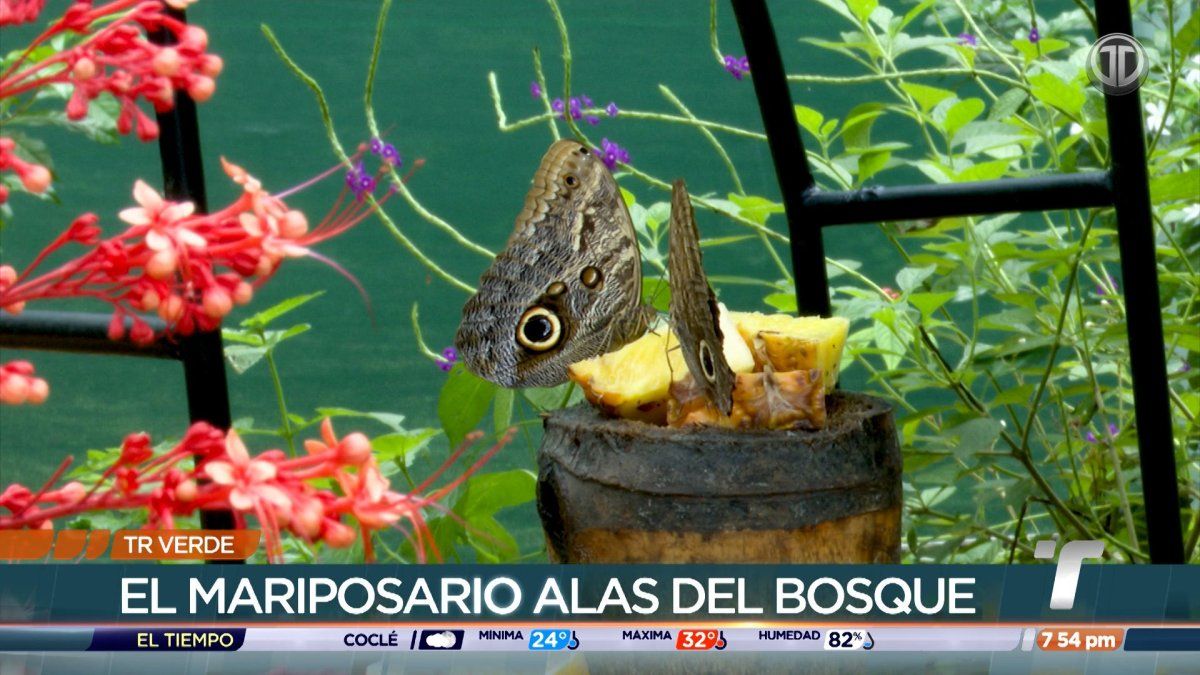
Panama City’s Metropolitan Natural Park has welcomed a striking new attraction: the Mariposario Alas del Bosque, or Forest Wings Butterfly House. More than a visitor draw, the facility doubles as a living laboratory where specialists monitor butterfly behavior and study how pressures such as climate change are affecting the natural world just minutes from the capital’s skyline.
What Happened
The Metropolitan Natural Park officially opened its doors to the Mariposario Alas del Bosque, a dedicated butterfly house located within the protected urban park. At the facility, specialists monitor the behavior of butterfly species that live in and around the reserve, tracking their habits, life cycles, and populations over time.
Research at the site also examines how external factors — most notably climate change — influence butterflies and the broader ecosystems they inhabit. Butterflies are widely regarded as sensitive environmental indicators, meaning shifts in their behavior or numbers can signal wider changes in the habitats they share with countless other species.
The butterfly house is being promoted as an opportunity for ecological tourism, giving visitors a chance to observe Panama’s remarkable butterfly diversity up close while learning about the scientific work taking place on site.
Background
The Metropolitan Natural Park is one of the few tropical forests in the world located within the limits of a major capital city. Covering a stretch of dry lowland forest on the edge of Panama City, it serves as a green lung for the metropolitan area and a refuge for wildlife, including hundreds of plant species, birds, mammals, and insects.
The park has long been a favorite destination for nature trails, birdwatching, and environmental education, attracting residents and international tourists alike. Adding a butterfly house strengthens its role as an accessible gateway for Panamanians and visitors to engage with the country’s extraordinary biodiversity without leaving the city.
Panama, owing to its position as a land bridge between North and South America, hosts exceptional biodiversity, and butterflies are among its most visible ambassadors. Because butterflies respond quickly to changes in temperature, rainfall, and vegetation, scientists frequently use them to study ecosystem health — making the research component of the new facility especially valuable.
What This Means for Panama
The Mariposario Alas del Bosque represents a practical fusion of conservation, science, and tourism. For the park, it offers a new attraction that can draw families, students, and ecotourists, deepening public appreciation for Panama’s natural heritage while generating support for the protected area.
For researchers, the site provides a permanent base for observing butterfly species and documenting how climate change and other environmental factors shape their behavior. Over time, the data collected there could contribute to a better understanding of how Panama’s urban forest ecosystems are responding to a changing climate.
For visitors, the butterfly house offers a rare chance to see native butterflies at close range and learn directly from the specialists who study them. As eco-conscious travel continues to grow in popularity, attractions like this one help position Panama City — and Panama more broadly — as a destination where tourism and conservation go hand in hand.
This story was originally reported by Telemetro.