
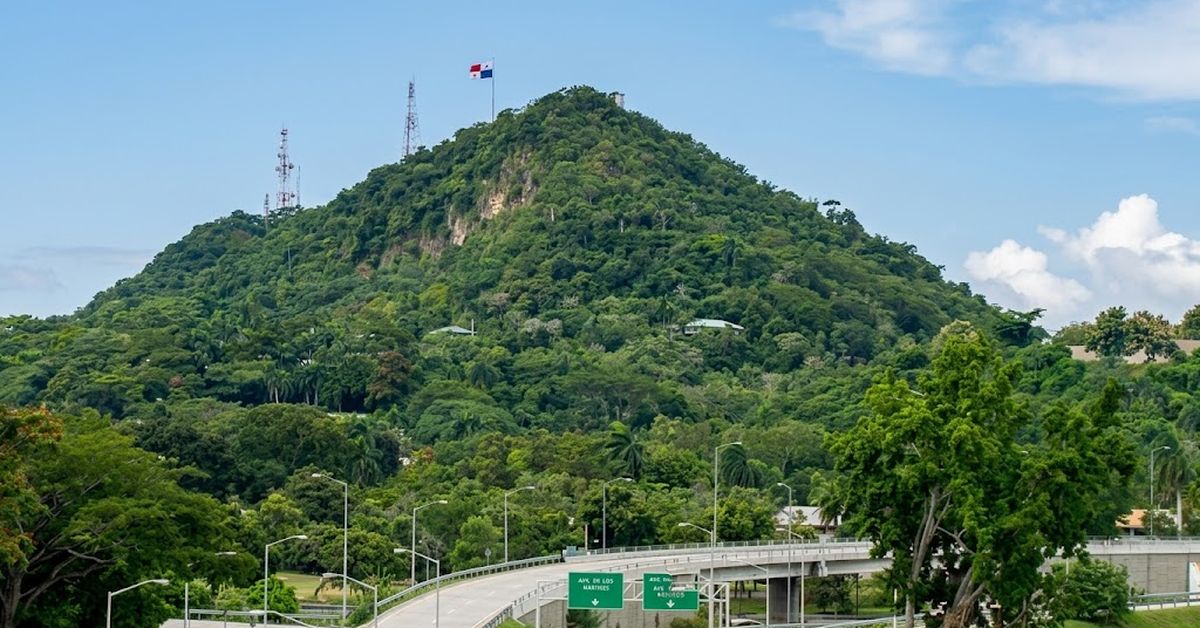
Panama’s Ministry of Environment (MiAmbiente) has approved a new management plan for the Cerro Ancón Nature Reserve, setting the course for the protection of one of Panama City’s most treasured natural landmarks over the next ten years. The decision establishes a formal roadmap that will guide conservation efforts in this historic green space, often described as the lung of the capital, through 2036.
What Happened
MiAmbiente announced the approval of the management plan for the Reserva Natural Cerro Ancón, a document that will serve as the guiding framework for the reserve’s conservation over the coming decade. The plan functions as a hoja de ruta — a roadmap — outlining how the area’s natural resources will be managed, protected, and monitored during the next ten years.
The approval formalizes the government’s commitment to preserving the hillside reserve, which rises prominently above Panama City and is visible from much of the urban area, including the Panama Canal corridor. Management plans of this type typically define zoning, permitted activities, conservation priorities, and institutional responsibilities for protected areas in Panama.
Background
Cerro Ancón is one of the most recognizable natural features of Panama City. The lush hill stands next to the entrance of the Panama Canal and is home to abundant wildlife, including monkeys, sloths, toucans, and a wide variety of tropical birds and plants. Its network of trails, including the popular climb to the summit, draws residents, joggers, birdwatchers, and tourists alike.
At the top of the hill flies one of Panama’s largest flags, a national symbol planted on a site with deep historical significance. The area was once part of the former U.S.-controlled Panama Canal Zone, and the raising of the Panamanian flag there became a powerful emblem of national sovereignty. The hill also holds historical structures and cemeteries linked to the canal’s construction era.
In the heart of a rapidly growing metropolis, Cerro Ancón functions as a vital green lung, providing recreational space, absorbing carbon, cooling surrounding neighborhoods, and sheltering biodiversity that is increasingly rare in urban Central America. Designating it as a natural reserve and backing that status with a long-term management plan reflects Panama’s broader framework of environmental protection, under which MiAmbiente oversees dozens of protected areas nationwide.
What This Means for Panama
The approval of a ten-year management plan gives Cerro Ancón institutional stability. Rather than relying on ad hoc conservation measures, authorities, community groups, and users of the reserve now have a defined framework for decision-making over the long term. This matters for a green space that sits under constant pressure from urban growth in the surrounding city.
For residents and visitors, the plan signals that the trails, forests, and wildlife that make Cerro Ancón special should remain protected and accessible. Environmental organizations and neighborhood associations that have long advocated for the hill’s care are among those who stand to benefit from clear, established guidelines.
The decision also fits into a larger national conversation about balancing development and conservation in Panama, a country whose identity and economy are closely tied to its extraordinary natural environment — from the Canal watershed to its national parks. How the management plan is implemented, funded, and enforced over the coming years will be worth watching, as it will indicate whether this iconic hill continues to thrive as Panama City expands around it.
This story was originally reported by TVN 2.