
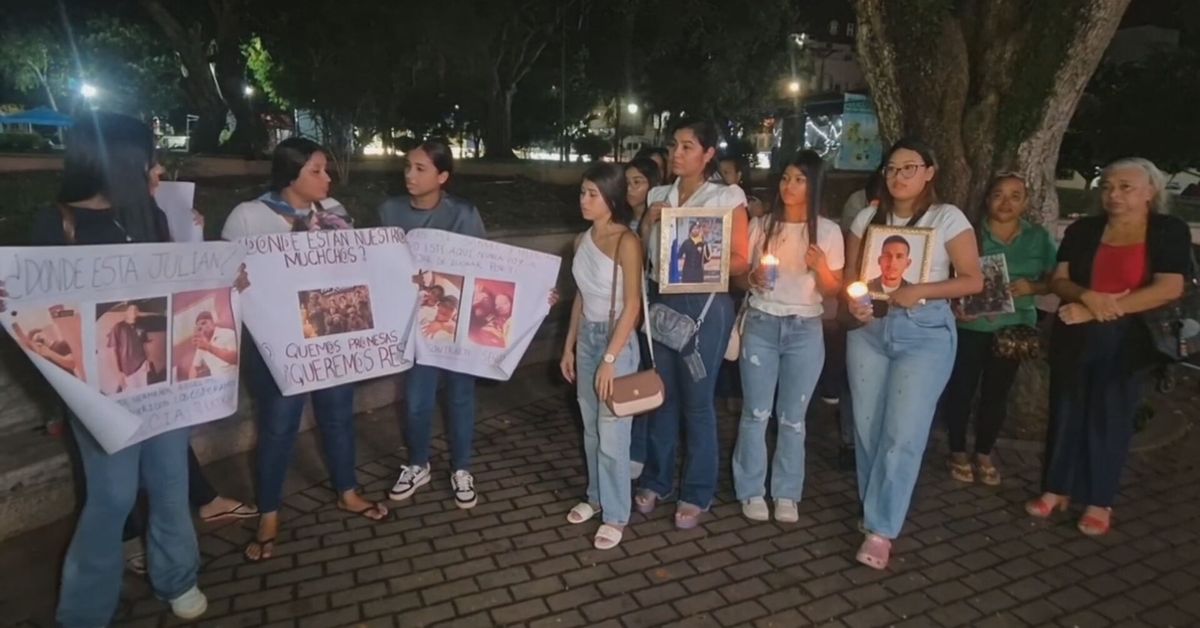
Families of young people from the western province of Chiriquí who are believed to be in Russia and Ukraine held a vigil this week to demand that Panamanian authorities act with greater urgency to locate them and bring them home. The case has shaken communities across Chiriquí and drawn national attention to what authorities describe as a recruitment scheme that lured the youths abroad.
What Happened
Relatives gathered in an emotional vigil, holding signs and praying for the safe return of the young Chiricanos, whose presence in Russia and Ukraine has been confirmed by family members who remain in contact with them or have received information about their whereabouts. The families used the gathering to publicly pressure the authorities, accusing them of moving too slowly on a case that involves the safety of young Panamanians in an active war zone.
In connection with the case, at least three people remain in provisional detention. They are identified by authorities as alleged recruiters, accused of playing a role in the process that sent the young people from Panama to Russia and Ukraine. The detentions represent the most significant law enforcement action taken so far in a case that families say has left them desperate for answers.
Background
According to the families, the young people left Panama after being offered opportunities abroad, and later ended up in Russia and Ukraine, where fighting has been ongoing since Russia’s full-scale invasion of Ukraine in 2022. Panama has no direct involvement in the conflict, and the presence of Latin American citizens in the war zone has been a recurring regional concern, with reports from various countries in the region of nationals being recruited to fight or work in support roles on the Russian side.
Chiriquí, Panama’s westernmost province bordering Costa Rica, is one of the country’s most populous regions. The vigil there underscores how the consequences of the conflict in Eastern Europe have reached even small Central American communities. Under Panamanian law, provisional detention is a measure used while investigations continue, and the three detained suspects have not yet been convicted of any crime.
What This Means for Panama
The case raises serious questions about how recruitment networks operate in Panama and who bears responsibility for the safety of citizens deceived into traveling to a war zone. For the families, the vigil is both an act of faith and a form of public pressure, keeping the case in the national spotlight at a time when they feel official responses have been slow.
The continued detention of the three alleged recruiters signals that the investigation remains active. Key developments to watch include whether more arrests follow, what formal charges are ultimately brought against those in custody, and whether the Panamanian government, through its foreign ministry and diplomatic channels, can secure the safe return of the young people from Russia and Ukraine.
For now, the families of Chiriquí say they will continue their vigils and public appeals until their loved ones are home. Their case is a reminder of the human cost of distant conflicts and the growing need for public awareness about recruitment offers that promise opportunities abroad but can lead to far more dangerous destinations.
This story was originally reported by TVN 2.