
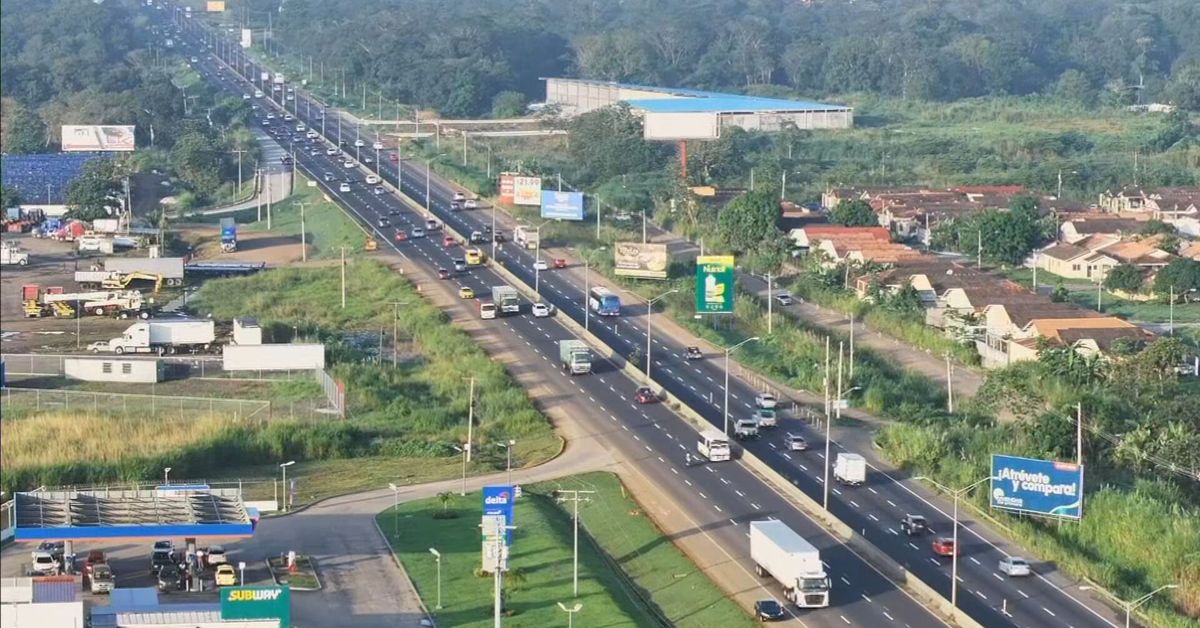
Arraiján and La Chorrera, two of western Panama City’s most populous districts, are marking 171 years since their incorporation as municipal districts, a milestone that traces back to a sweeping reorganization of territorial administration in the mid-nineteenth century and reflects their dramatic transformation into major population and transportation hubs.
What Happened
According to the historical record commemorated this week, the districts’ formal origins date to 1855, when a new political organization modified the territorial administration of what was then the Federal State of Panama. Under that scheme, Arraiján and La Chorrera were incorporated as municipal districts, at a time when the territory was still remote and sparsely developed compared to the urban core that existed then.
One hundred seventy-one years later, the anniversary highlights how profoundly both districts have changed. Once distant outposts, Arraiján and La Chorrera are now defined by sustained population growth and a sweeping transformation of their road infrastructure, developments that have reshaped daily life for hundreds of thousands of residents in Panama Oeste province.
Background
The 1855 reorganization took place during a period when Panama, as part of its federal arrangement within Colombia, was restructuring how it governed its territory. The creation of municipal districts such as Arraiján and La Chorrera established the administrative foundations on which these communities would later grow.
For much of their early history, both districts remained largely rural, separated from the capital by distance and difficult terrain. That began to change as Panama’s population expanded westward from Panama City, driven by urban sprawl, housing developments, and the development of key transportation links. Today, Arraiján and La Chorrera form part of the densely populated corridor west of the capital, and the Bridge of the Americas and, later, the Centennial Bridge connected this region to the city, turning the districts into bedroom communities and commercial centers in their own right.
The commemoration of 171 years frames that trajectory as one defined by two forces above all: sustained population growth and the transformation of the road network serving the region.
What This Means for Panama
The anniversary serves as a reminder of how quickly Panama’s demographic center of gravity has shifted westward. The growth of Arraiján and La Chorrera has made the old Panama Canal corridor area one of the country’s most consequential urban regions, placing continued pressure on roads, public services, and planning in Panama Oeste.
The emphasis on road transformation in the anniversary narrative also points to what residents and commuters should watch going forward: further infrastructure investment aimed at easing congestion and connecting the growing population of western Panama to employment and commercial centers. As both districts move toward nearly two centuries of formal existence, their evolution from remote municipalities to engines of national population growth remains a defining story of modern Panama.
This story was originally reported by TVN 2.