
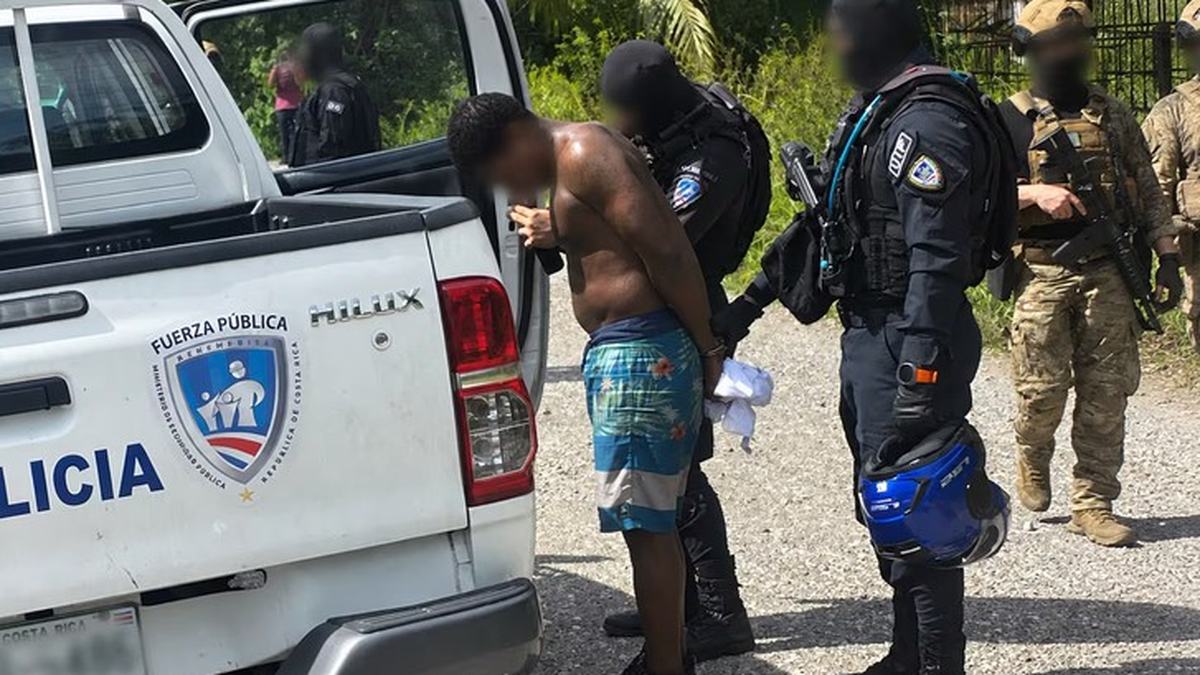
A Panamanian man who had been wanted by authorities for six years has been captured in Costa Rica and handed over to Panama, according to officials. Authorities say the suspect has alleged links to the Tren de Aragua, the Venezuelan-born transnational criminal organization that has expanded its presence across Latin America in recent years.
What Happened
According to a report by Telemetro, the Panamanian national had been the subject of a judicial requirement — an active warrant — since roughly 2020. He was located and detained in neighboring Costa Rica, after which he was transferred into the custody of Panamanian authorities.
Officials cited in the report link the man to the Tren de Aragua, a criminal network originally formed in Venezuela that has since extended its operations into multiple countries across the region, including Panama. The precise charges underlying the six-year-old requirement were not detailed in the initial report, and authorities have described the alleged connection to the organization as presumed pending investigation.
The handover underscores the functioning of bilateral mechanisms between Panama and Costa Rica for the transfer of fugitives, allowing wanted individuals apprehended in one country to be returned to face justice in the other.
Background
The Tren de Aragua began as a criminal group associated with railway construction workers in the Venezuelan state of Aragua. Over time, it evolved into a transnational organization involved in activities including human trafficking, migrant smuggling, extortion, and drug trafficking.
Panama has become a focal point in the group’s regional expansion, largely because of the Darién Gap, the treacherous jungle corridor between Colombia and Panama that has been crossed by hundreds of thousands of migrants in recent years. Authorities across the region have identified the Tren de Aragua as a key actor in exploiting migrants along this route.
Panamanian security forces have repeatedly raised alarms about the organization’s growing footprint, and the government has responded with intensified border security operations and closer cooperation with neighboring countries. Costa Rica, which lies along the northbound migration route from Panama, has also reported arrests and operations involving individuals allegedly tied to the group.
What This Means for Panama
The capture closes the chapter on a manhunt that had remained open for six years, demonstrating that long-standing warrants can still be executed when regional cooperation mechanisms function effectively. For Panamanian authorities, the return of a fugitive allegedly connected to the Tren de Aragua represents a small but symbolic gain in the broader effort to dismantle the organization’s networks inside the country.
The case also highlights the importance of Costa Rica as a partner in regional security. As migration flows and criminal activity continue to move along the Central American corridor, coordination between the two countries — including information sharing and the transfer of wanted suspects — is likely to remain a priority.
Observers will be watching to see whether Panamanian prosecutors detail the specific charges against the returned suspect and whether his case yields further intelligence about the Tren de Aragua’s operations in Panama. Authorities have not ruled out that detention and questioning of individuals with alleged ties to the group could support ongoing investigations into extortion, trafficking, and organized crime networks operating in the country.
The development comes as Panama continues to grapple with the dual challenge of managing migration through the Darién and containing the criminal organizations that prey on people moving through it.
This story was originally reported by Telemetro.