
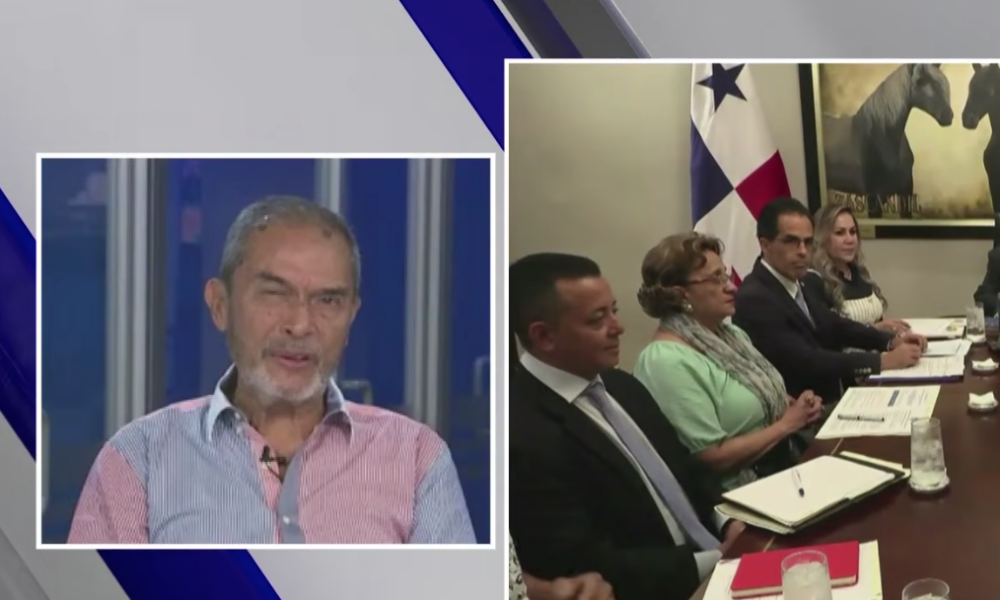
Panama’s national dialogue over Law 226 has entered a decisive phase, and Guillermo Cortés, the leader representing retirees, says the climate at the negotiating table with the government and private sector representatives has been constructive as all sides work toward an agreement on the controversial legislation.
What Happened
Cortés spoke publicly about his expectations for the dialogue table convened to discuss Law 226, offering his read on the atmosphere among the parties sitting at the table: the national government, members of the private sector, and organizations representing retirees. According to the retiree leader, the talks are aimed at reaching consensus on the law before a critical constitutional deadline expires.
Under Panama’s constitutional framework, the President has 30 working days to decide whether to sanction the legislation — signing it into law — or veto it and return it to the National Assembly. That clock is the central pressure point driving the current negotiations, as stakeholders from the retiree movement and the business community seek to shape the final outcome of the bill.
Background
Law 226 has drawn significant attention in Panama because of its direct implications for retiree benefits, a issue that has mobilized pensioners across the country in recent years. Retiree organizations have been among the most active civic groups in Panama, frequently staging demonstrations and lobbying campaigns to defend and expand their pension payments and related benefits.
The dialogue table format — bringing together government officials, private sector representatives, and civil society leaders — is a well-established mechanism in Panama for resolving contentious national issues. It has previously been used to address topics ranging from social security reform to mining concessions, reflecting a tradition of negotiated consensus in Panamanian politics.
The current talks take on added weight because the President’s sanction-or-veto decision is final in practical terms within the constitutional window. Once the 30 working days elapse, the executive must act, making the days of negotiation now underway the last realistic opportunity to modify or build support around the legislation before that decision is made.
What This Means for Panama
The outcome of these negotiations will directly affect Panama’s retiree community, a growing demographic with considerable political influence. If the dialogue produces a consensus, it could smooth the path for the law’s sanction and reduce the likelihood of the street protests that have historically accompanied disputes over pension policy.
For the private sector, the talks represent an opportunity to voice concerns about the economic implications of the law before it takes effect. For the government, a negotiated agreement would allow it to move forward on the legislation with broader political backing rather than facing a divisive veto decision.
Observers will be watching for statements from the dialogue table in the coming days as the constitutional deadline approaches. Cortés’s characterization of the negotiating climate suggests the parties remain engaged and that an agreement is still considered possible before the President must choose between sanction and veto — a decision that will shape Panama’s retiree policy landscape for years to come.
This story was originally reported by Nex Panama.