
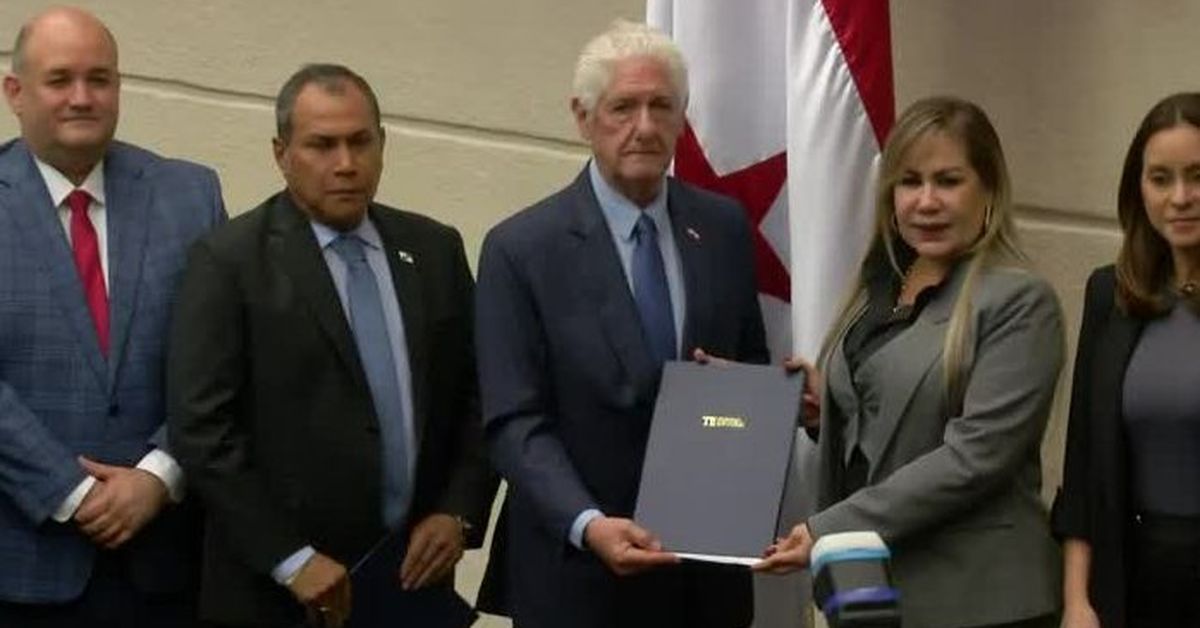
Panama’s electoral authorities have taken a major step toward reshaping the country’s democratic rules. A reform package developed through the National Commission of Electoral Reforms (CNRE) and presented to the National Assembly by the magistrates of the Electoral Tribunal would introduce a series of changes to how Panamanians elect their leaders — with most of the consensus reached during national negotiations preserved, though the Tribunal added its own adjustments on sensitive issues such as independent candidacies.
What Happened
A comparison of the text approved by the CNRE and the bill carried by the Electoral Tribunal’s magistrates to the Legislative Branch shows that a large portion of the agreements reached during the reform process was maintained in the final proposal. The two documents align on most of the core changes discussed by the commission, which brought together political parties, civil society, and state institutions to modernize Panama’s electoral framework.
However, the review also shows the Tribunal did not adopt the CNRE text wholesale. On certain topics — most notably the rules governing independent candidacies — the magistrates introduced modifications of their own before sending the initiative to lawmakers. The issue of independent candidates has long been one of the most debated points of Panama’s electoral system, as independent movements have grown in influence in recent electoral cycles.
The proposal now sits with the National Assembly, where it must go through the legislative process — debate, possible amendments, and votes — before any of the changes can become law.
Background
Electoral reform in Panama is a structured, consensus-based process. The National Commission of Electoral Reforms is a broad forum convened by the Electoral Tribunal that includes representatives of registered political parties, the national government, the Legislative Branch, the judiciary, universities, civic organizations, and other sectors of society. Its role is to study the electoral system and agree on changes before reform bills are drafted and submitted to the National Assembly.
This tradition of negotiated reform reflects Panama’s experience with its democratic transition. Since the restoration of democracy in 1989–1990, the country has regularly updated its electoral laws through this mechanism, typically in the period following national elections. The Electoral Tribunal, one of Panama’s four independent organs of state, administers elections and has constitutional authority over electoral matters.
Independent candidacies have become a central theme of the reform debate as voter dissatisfaction with traditional parties has grown. Greater participation by independent candidates and movements in recent elections has changed Panama’s political landscape, making the rules that govern how non-party candidates register, compete, and win seats a key point of negotiation between parties and civic representatives.
What This Means for Panama
The legislation sent to the National Assembly could reshape the playing field for future elections, particularly for independent candidates and emerging movements. Because the Tribunal chose to adjust — rather than fully adopt — the CNRE’s agreed language on independent candidacies, that issue is likely to be a focal point of debate once lawmakers take up the bill.
The fact that most CNRE agreements survived intact suggests a relatively stable foundation of consensus, which historically improves the chances that reforms will advance through the Assembly with broad support. At the same time, any divergence between the commission’s text and the Tribunal’s version gives political parties and civil society groups reason to scrutinize the bill closely during committee review and plenary debate.
For voters, the stakes are practical: changes to candidacy rules, party regulations, and electoral procedures can affect who is able to run for office, how campaigns are financed and monitored, and how ballots are counted. As the bill moves through the legislative process, the key developments to watch are which CNRE agreements survive amendment, how the Assembly treats the Tribunal’s adjustments on independent candidacies, and whether the final law is enacted in time to govern the next national elections.
This story was originally reported by TVN 2.