
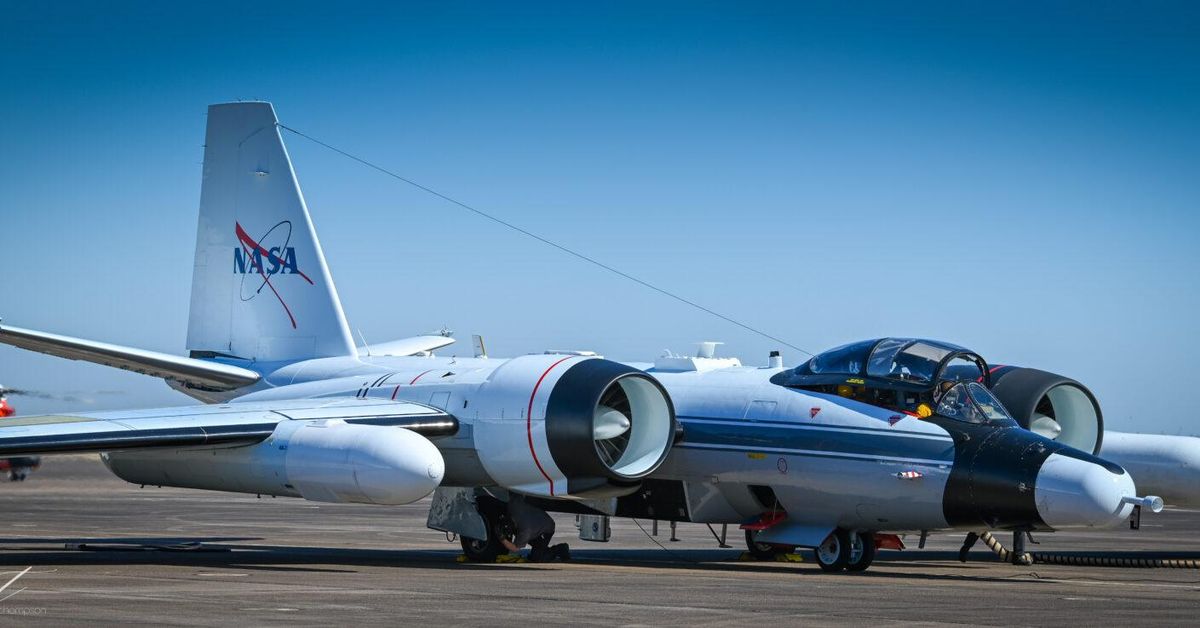
Panama has become an operational base for NASA’s high-altitude atmospheric research, with the U.S. space agency carrying out scientific flights from the country to collect data on the upper atmosphere. According to TVN 2, the measurements gathered during the mission will allow scientists to improve global atmospheric models and better understand the relationship between changes in the atmosphere, ozone, the climate, and the planet’s energy balance.
What Happened
NASA is conducting atmospheric investigations from Panama using a high-altitude aircraft, the Panamanian broadcaster reported. These specialized research flights are designed to gather precise measurements of the atmosphere at altitudes that conventional aircraft cannot reach.
The core scientific objective of the mission is data collection. The information obtained during the flights will be used to refine global atmospheric models — the computational tools scientists rely on to simulate how the atmosphere behaves and evolves. More accurate models mean a sharper picture of how atmospheric changes interact with ozone levels, the broader climate system, and the balance of energy that flows into and out of the planet.
Background
Studying the atmosphere at high altitude matters because that is where many of the processes that shape Earth’s climate take place. Ozone, in particular, plays a dual role: in the stratosphere it protects life on Earth by absorbing harmful ultraviolet radiation, while lower in the atmosphere it acts as a greenhouse gas and air pollutant. Understanding how ozone concentrations change — and how those changes relate to climate — is a long-standing priority for atmospheric science.
The planet’s energy balance — the difference between the energy Earth receives from the sun and the energy it radiates back into space — is a fundamental driver of global climate. Small shifts in this balance can have significant consequences over time, which is why precise, direct measurements from research aircraft are so valuable to scientists.
Panama’s geographic position makes it a logical staging point for such research. Sitting between the Atlantic and Pacific oceans and near the equator, the country offers access to tropical atmospheric conditions that are critical to global climate models. The tropics play an outsized role in the planet’s climate system, influencing circulation patterns that stretch far beyond the region itself.
NASA has a long history of using specialized aircraft as flying laboratories. High-altitude research planes allow scientists to gather in-situ measurements — direct readings of atmospheric composition, temperature, and chemistry — that satellites alone cannot provide, helping to validate and improve the models used in climate forecasting.
What This Means for Panama
For Panama, hosting NASA research operations signals recognition of the country’s scientific and geographic value. Missions like this can bring international scientific collaboration, technical activity at local facilities, and visibility for Panama within the global research community.
The findings from these flights will feed into global atmospheric models used worldwide, meaning data collected from Panamanian skies could contribute to international climate science. As the mission progresses, observers will be watching for further details on the scope of the flights, the duration of NASA’s presence in the country, and whether additional research partnerships with Panama emerge from the operation.
This story was originally reported by TVN 2.