
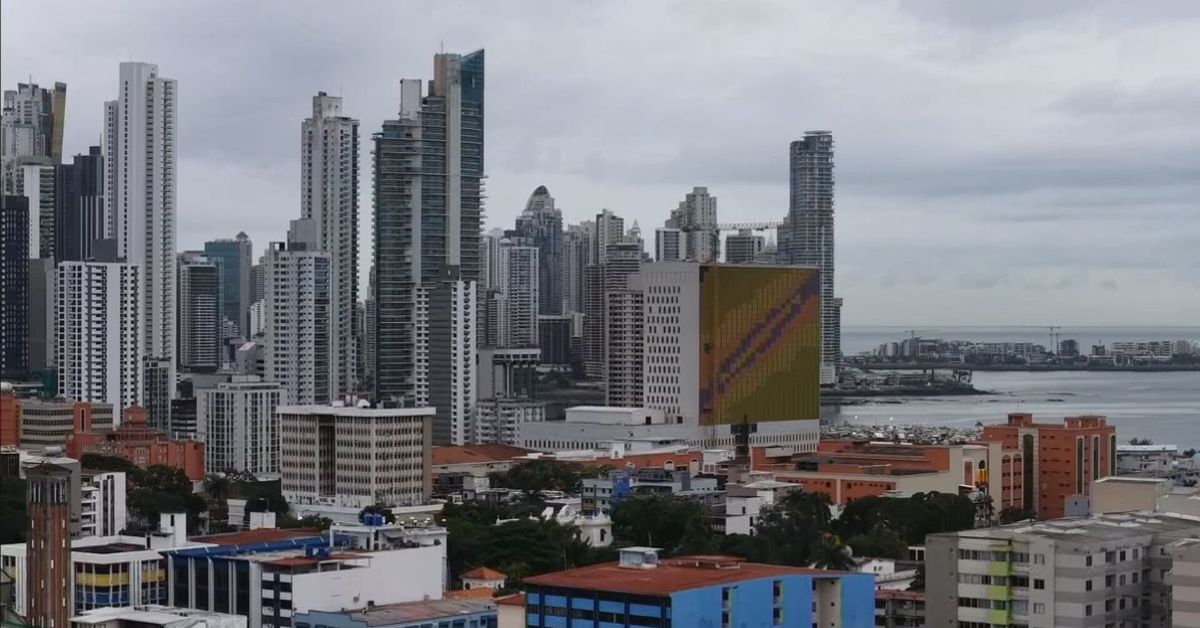
Panama City’s Bella Vista district has officially kicked off a pilot program designed to prepare buildings for emergency evacuations, a significant step toward strengthening disaster preparedness in one of the capital’s most densely populated urban cores. According to TVN 2, the plan is already in motion, with preparation and execution expected to take between 60 and 90 days.
What Happened
The pilot plan, focused on the Bella Vista district, aims to organize and coordinate how building occupants would evacuate in the event of an emergency, such as a fire, structural incident, or other urgent situation. The initiative is now underway, and authorities have outlined a timeline of 60 to 90 days for both the preparatory phase and the execution of the plan.
The program’s focus on Bella Vista places it at the heart of Panama City’s high-rise corridor, where residential towers, offices, and commercial spaces share limited space with heavy vehicle and pedestrian traffic — conditions that make orderly evacuation procedures especially critical.
Background
Bella Vista is one of Panama City’s most established and densely built neighborhoods, known for its mix of older homes, modern apartment towers, businesses, and busy avenues such as Vía España. Over recent decades, vertical construction has transformed the area, concentrating thousands of residents and workers in multi-story buildings.
High-rise living and working present particular challenges during emergencies: stairwells must accommodate large numbers of people descending simultaneously, elevators typically cannot be used, and street-level assembly points must be safely reachable. In dense districts like Bella Vista, coordinating among multiple buildings, emergency responders, and local authorities adds another layer of complexity.
Panama sits in a region exposed to natural hazards, including earthquakes and severe storms, and urban fires in tall buildings remain a concern for emergency management officials in growing metropolitan areas. Pilot programs like this one are commonly used to test evacuation protocols, identify gaps, and refine procedures before broader implementation.
What This Means for Panama
If successful, the Bella Vista pilot could serve as a model for other districts in Panama City and beyond, potentially shaping how residential and commercial buildings across the country approach emergency preparedness. The 60-to-90-day timeline suggests residents and building administrators in the district may soon notice preparedness activities, training exercises, or coordination efforts taking place.
For building administrators and residents, the initiative underscores the importance of knowing evacuation routes, assembly points, and communication procedures before an emergency occurs. The coming weeks will show how the plan is rolled out in practice and what lessons emerge that could inform wider adoption elsewhere in Panama.
This story was originally reported by TVN 2.