
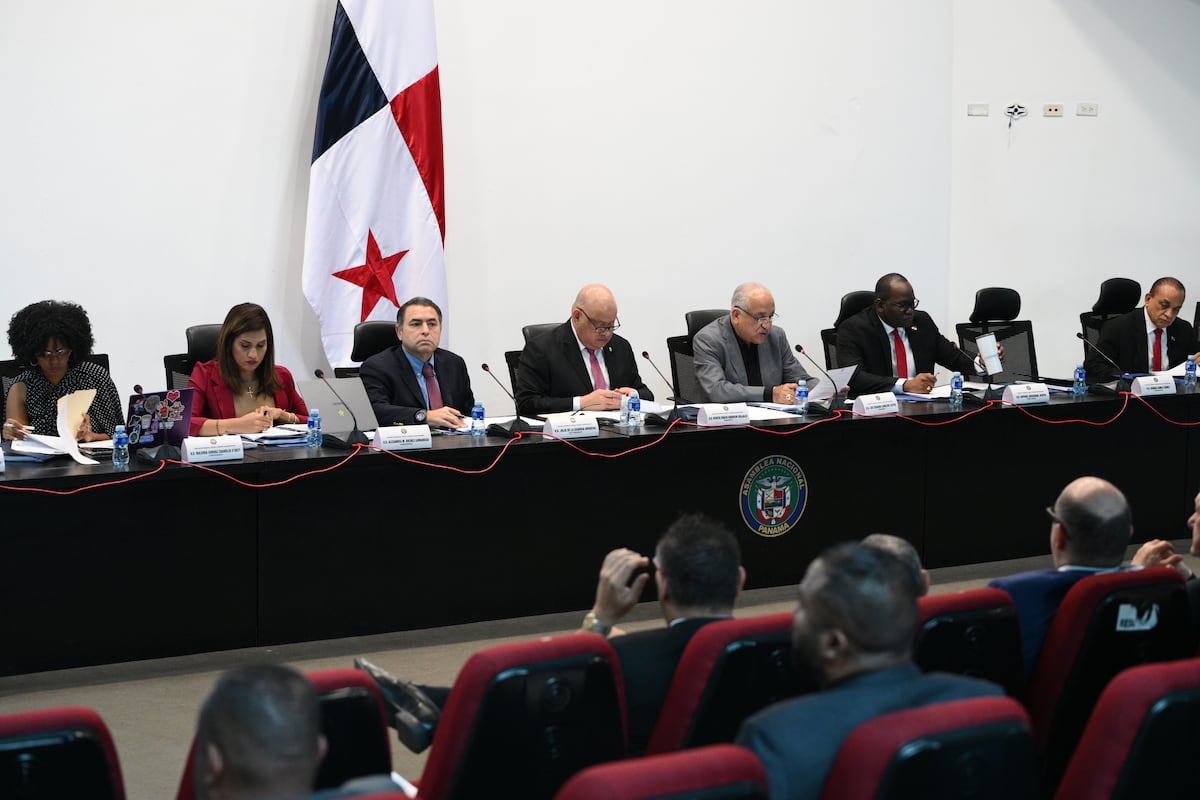
Panama’s National Assembly took a significant step toward reshaping the country’s electoral map this week, as the Government Commission approved in first debate a proposal to reconfigure the nation’s electoral circuits. The vote passed with five deputies in favor, three against, and one abstention, according to a report by La Prensa.
What Happened
The Commission of Government, a key committee within Panama’s National Assembly, voted to advance the reconfiguration of the country’s electoral circuits in its first debate. The tally was five votes in favor, three votes against, and one abstention. The decision moves the proposal forward in the legislative process, where it must still clear additional debates and procedural hurdles before becoming law.
The split vote reflects differing views among deputies over how Panama’s electoral districts should be drawn. Circuit boundaries determine how voters are grouped and how many legislators represent each area, making any change to them a politically consequential decision.
Background
In Panama, electoral circuits are the geographic districts from which deputies to the National Assembly are elected. The country is divided into circuits, and the distribution of seats among them shapes the balance of political representation across provinces and indigenous regions, known as comarcas.
Redrawing electoral circuits is a sensitive exercise in any democracy because boundary changes can shift the relative weight of voters in different regions. Debates over redistricting often touch on questions of population growth, rural versus urban representation, and the fairness of the existing map.
For a reform of this nature to take effect, it must pass through the full legislative process in the National Assembly, including further debates and a final vote by the plenary. Electoral reforms in Panama may also require coordination with the Electoral Tribunal, the autonomous body that organizes and oversees the country’s elections.
What This Means for Panama
The commission’s approval in first debate signals that the redistricting proposal has momentum, but the divided vote — five in favor, three against, one abstention — shows it does not enjoy unanimous support even within the committee stage. The proposal’s fate will depend on how it performs in subsequent debates before the full Assembly.
For Panamanian voters, changes to electoral circuits could affect which district they vote in, who represents them, and how much legislative weight their region carries. Political parties and candidates will be watching closely, as new boundaries can redraw the competitive landscape ahead of future elections.
The next steps to watch include the timing of further debates in the National Assembly, any amendments introduced along the way, and how the Electoral Tribunal responds to the proposed changes. How the remaining deputies — particularly the three who voted against and the one who abstained — position themselves in later votes will also be telling.
This story was originally reported by La Prensa.