
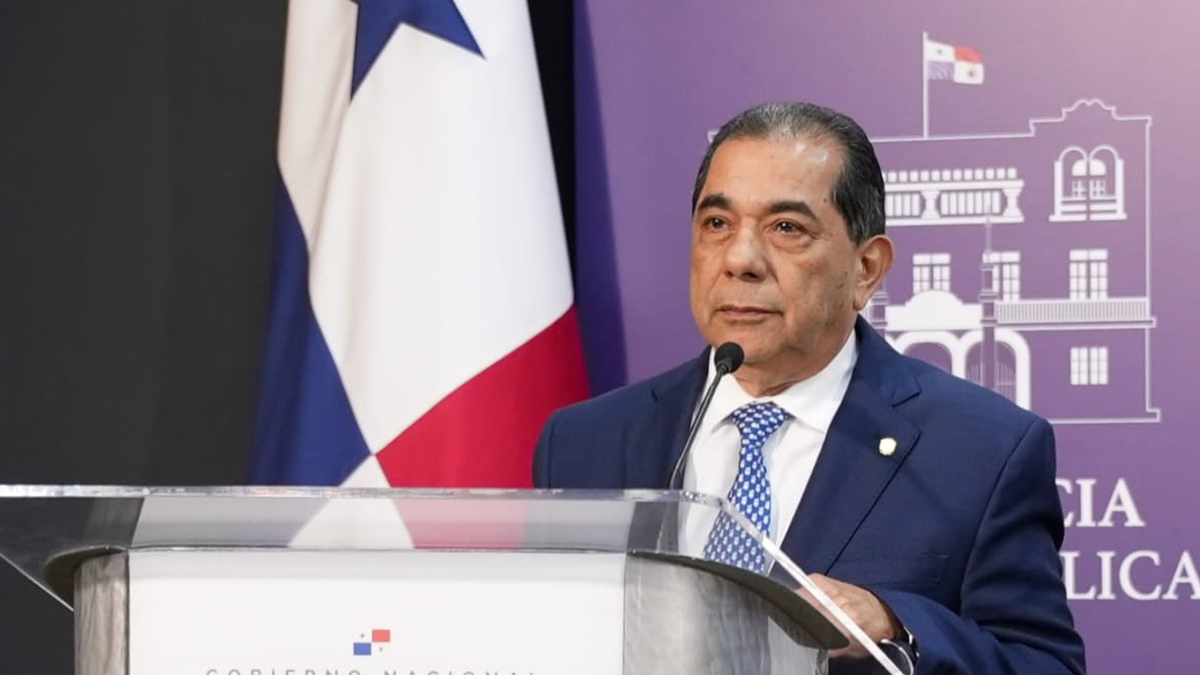
Panama will participate in the upcoming PISA international assessment, Education Minister Ventura Vega confirmed, offering a firm defense of the role that standardized educational evaluations play in measuring and improving the quality of learning across the country’s school system.
What Happened
Minister Vega, who heads Panama’s Ministry of Education (MEDUCA), announced that the country will take part in the next round of the PISA test, the prominent international evaluation administered by the Organization for Economic Cooperation and Development (OECD). In his remarks, reported by Telemetro, the minister underscored the importance of educational assessments, positioning them as a valuable tool rather than a burden for the national education system.
His confirmation puts to rest any question about whether Panama would continue its involvement in the program, signaling that the government views participation in global benchmarking as part of its strategy to strengthen education policy.
Background
PISA — the Programme for International Student Assessment — is conducted every three years and measures the abilities of 15-year-old students in reading, mathematics, and science. It is widely regarded as one of the most influential yardsticks of educational performance in the world, allowing countries to compare their students’ skills against those of peers in dozens of other economies.
Panama has participated in PISA in previous cycles, and its results have historically placed the country near the lower end of international rankings — a reality that has fueled public debate about the state of public education, teacher training, and education spending. Those outcomes have made PISA a politically sensitive topic in Panama, with each release of results prompting discussion about reform.
The announcement by Minister Vega comes as Panama continues to grapple with longstanding challenges in its education system, including disparities in learning outcomes between urban and rural areas and ongoing efforts to modernize curriculum and teacher preparation. His public defense of evaluations suggests the ministry sees measurement as a foundation for identifying weaknesses and directing resources where they are needed most.
What This Means for Panama
By confirming participation, Panama maintains its place in a global system of educational comparison, which provides data that policymakers, educators, and parents can use to gauge progress over time. For the Ministry of Education, PISA results offer an evidence base for reforms — from curriculum design to classroom investment — that domestic tests alone may not fully capture.
Minister Vega’s explicit defense of educational evaluations also signals a broader stance: the government appears committed to transparency and external benchmarking rather than stepping away from international scrutiny, an option some countries have debated after poor showings.
What to watch next: the timing of the next PISA administration, how Panama prepares students and schools in the lead-up, and whether the ministry pairs its participation with concrete reform measures aimed at lifting performance. The eventual publication of results will offer a measurable check on whether the country’s educational investments are translating into stronger student learning outcomes.
This story was originally reported by Telemetro.