
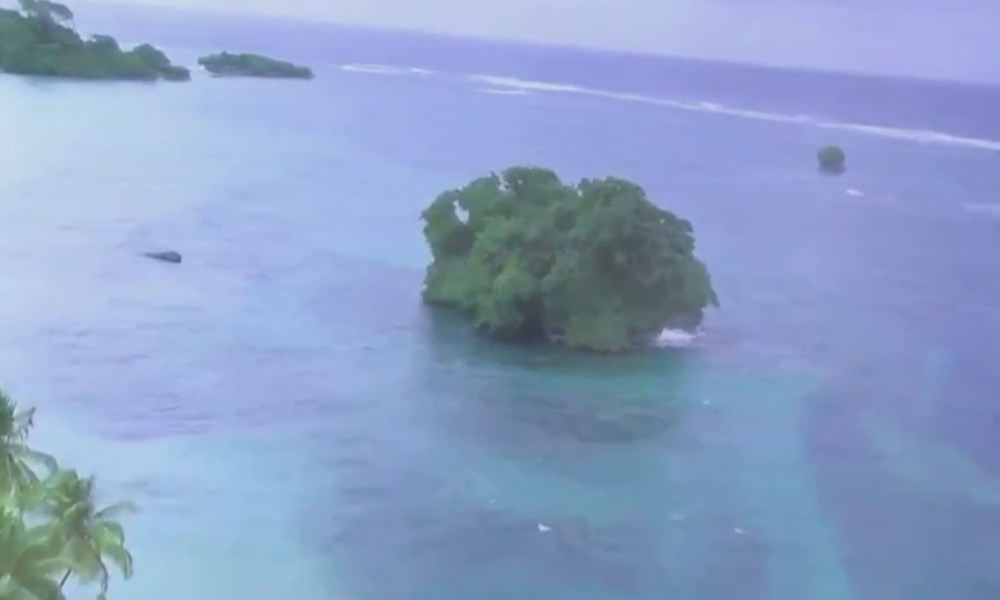
Panama’s Ministry of Environment has taken a significant step toward strengthening protection of Coiba National Park, acquiring three new motorized boats designed to expand surveillance coverage and support scientific research in one of the country’s most valuable natural reserves.
What Happened
The Ministry of Environment announced a strategic investment in the custody of Coiba National Park, purchasing three new motorized vessels. The boats are intended to widen the reach of patrol operations across the park’s extensive marine and terrestrial territory while also serving as platforms to facilitate scientific research within the protected area.
The initiative reflects the government’s recognition of Coiba as a site of incalculable value for Panama, requiring enhanced enforcement capacity to safeguard its ecosystems against threats such as illegal fishing and unauthorized activities within park boundaries.
Background
Coiba National Park, located off Panama’s Pacific coast in the Gulf of Chiriquí, is one of the country’s most important protected areas. The park encompasses Coiba Island — the largest island in Central America — along with dozens of smaller islands and surrounding marine waters.
In 2005, UNESCO designated Coiba National Park and its Special Zone of Marine Protection as a World Heritage Site, recognizing its exceptional biodiversity. The park is home to a remarkable range of species, including endemic plants and animals found nowhere else, and its waters serve as a migratory corridor for marine life such as whales, sharks, and sea turtles.
The park’s history is also unusual: for decades, Coiba Island housed a notorious penal colony, an isolation that inadvertently preserved much of its forest and wildlife from development. After the prison closed, conservation became the island’s central mission.
Protecting a park of this scale, spread across both land and sea, demands logistical capacity. Surveillance by boat is essential for monitoring coastlines, deterring illegal fishing, and transporting researchers to remote field sites — a need the Ministry of Environment’s new vessels are designed to address.
What This Means for Panama
The addition of three motorized boats signals a strengthened enforcement posture in one of Panama’s flagship protected areas. Improved surveillance coverage means rangers can patrol more of the park’s waters more frequently, increasing the risk of detection for those engaging in illegal fishing or other unauthorized extraction of resources.
Equally important is the research function. Coiba is a living laboratory for scientists studying tropical marine and terrestrial ecosystems, and reliable boat access expands the scope and frequency of scientific expeditions. That research, in turn, supports better-informed conservation management.
The investment also aligns with broader national interests. Nature-based tourism centered on Coiba — including diving, whale watching, and sportfishing in neighboring areas — depends on the health of the park’s ecosystems. Strengthened protection helps secure the long-term sustainability of that economic activity for communities in Veraguas and the surrounding region.
For observers of Panama’s environmental policy, the move demonstrates how targeted, practical investments in equipment can translate directly into improved conservation outcomes. How effectively the new vessels are deployed — and whether patrols translate into measurable reductions in illegal activity — will be worth watching in the months ahead.
This story was originally reported by Nex Panama.