
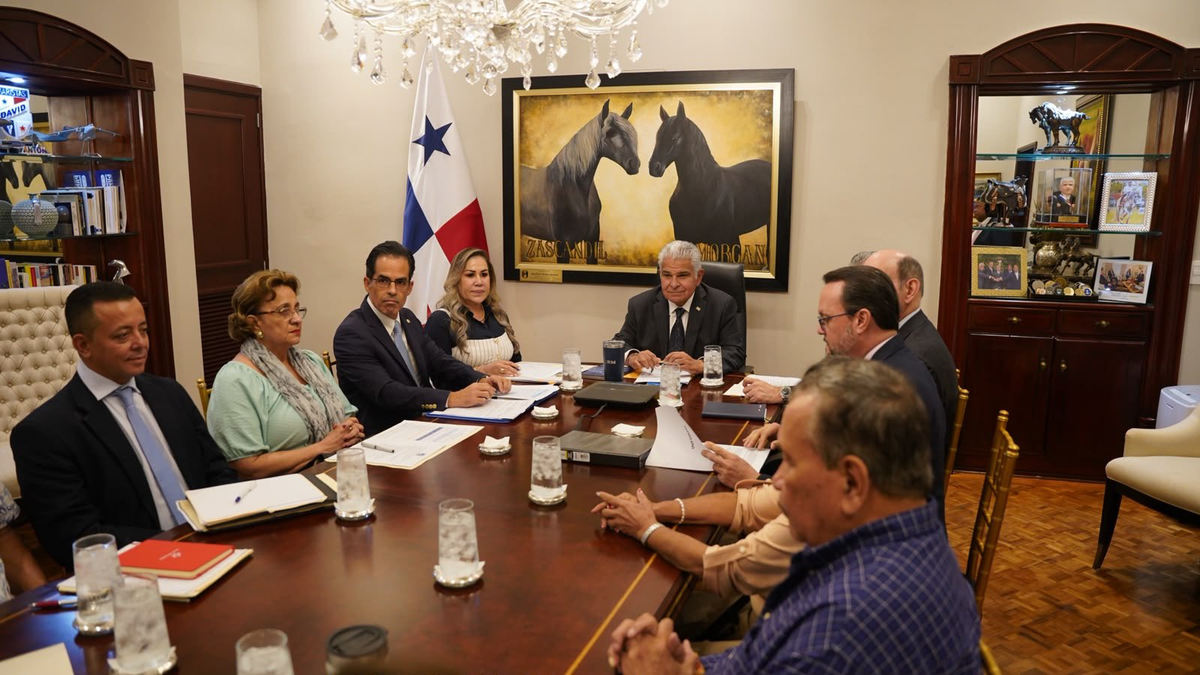
President José Raúl Mulino has brought retirees and private sector representatives to the table in an effort to salvage his proposed discounts law, a measure aimed at easing the financial burden on Panama’s seniors but which has run into resistance from the business community.
What Happened
Mulino confirmed that the meeting, which gathered jubilados (retirees and pensioners) alongside business leaders, is intended to find a workable formula for the discounts bill. According to the president, the goal is to reach a solution that is viable — one that delivers meaningful benefits to retirees without placing an unsustainable obligation on merchants and service providers.
The discussions come as the legislative project on discounts faces hurdles, with the private sector raising concerns about the economic impact of mandatory reductions. The president’s decision to convene both sides directly signals an attempt to negotiate consensus before the initiative moves forward.
Background
Panama has long had a system of discounts for retirees and pensioners, known locally as the jubilado discount regime. Under existing rules, seniors receive reductions on a range of goods and services, including medications, entertainment, restaurants, hotels, and utility-related costs. The policy is deeply rooted in Panamanian social policy and is considered one of the most generous senior benefit frameworks in Latin America.
However, the system has been a recurring point of friction between the state, beneficiaries, and the private businesses legally required to absorb part of the cost. Merchants have historically argued that mandatory discounts cut into margins, particularly for small and medium-sized enterprises, while retiree organizations insist the benefits are essential given fixed pension incomes and rising living costs.
The Mulino administration entered office promising to address cost-of-living pressures, and expanding or restructuring senior discounts has been part of that agenda. Bringing the bill to a workable format requires balancing those social commitments with the concerns of an economy heavily driven by commerce and services.
What This Means for Panama
The outcome of these negotiations could shape both household finances for Panama’s senior population and the operating environment for businesses. If a viable formula is reached, retirees may see strengthened or clarified discount benefits, while companies would gain certainty about the extent of their obligations.
The meeting also signals the Mulino government’s preference for direct dialogue with stakeholders rather than pushing legislation through over private sector objections. Watch for whether the talks produce an amended version of the bill, and whether it then advances to the National Assembly with support from both retiree groups and business associations.
For Panama’s growing retiree community — and for the businesses that serve them — the details of any final agreement on percentages, covered goods and services, and possible state compensation for merchants will be the key points to monitor.
This story was originally reported by Telemetro.