
What Happened
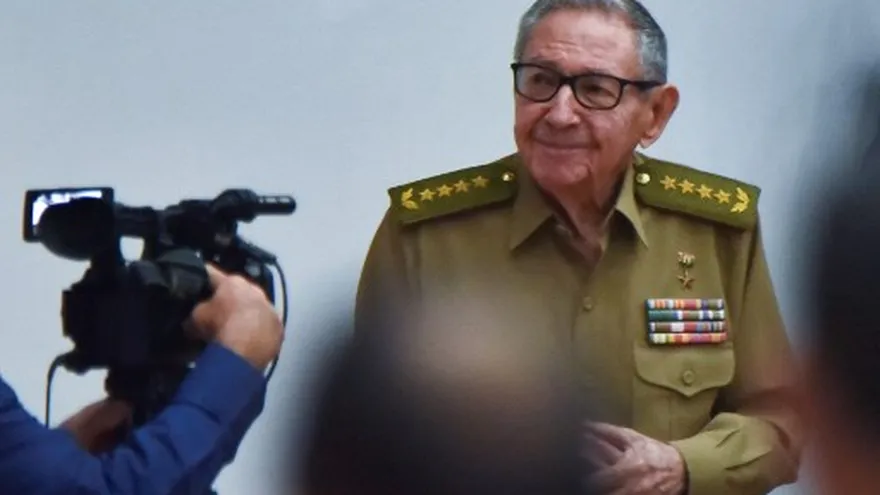
The United States has indicted former Cuban president Raúl Castro in connection with the shootdown of two civilian aircraft in 1996, a case that remains one of the most contentious episodes in modern Cuba-U.S. relations. Castro, now 94, was Cuba’s defense minister at the time of the incident.
The case centers on the destruction of two small planes flown by the Cuban-American group Brothers to the Rescue, an event that led to international outrage and deepened the long-running confrontation between Havana and Washington. The indictment revives attention to a tragedy that has been remembered not only as a diplomatic flashpoint, but also as a symbol of the risks that come with decades of political hostility in the region.
Background to a Long-Running Dispute
The 1996 shootdown occurred during a period of severe tension between Cuba and the United States. At the time, the Cuban government accused the group’s flights of violating Cuban airspace, while critics in the United States argued that the response was excessive and lethal. The episode became a defining moment in bilateral relations and was followed by sharp condemnation from Washington.
Raúl Castro was then serving as Cuba’s defense minister, a position that placed him near the center of the country’s military structure. He later succeeded Fidel Castro as Cuba’s president and remained one of the most influential figures in the island’s political system for decades. His indictment adds a late legal chapter to a case that had already shaped the political memory of the exile community and U.S.-Cuba diplomacy.
Why It Still Matters
Although the incident took place nearly 30 years ago, it continues to carry political and historical weight. For Cuban exiles in the United States, the shootdown has remained a painful and unresolved episode. For Cuba, it is tied to a period of heightened confrontation and mutual suspicion that still influences how both countries approach each other today.
The case also underscores how events involving Cuban airspace, military authority, and U.S.-based opposition groups can quickly escalate into broader international disputes. Even years later, legal and political action tied to the incident can reignite debate over accountability, sovereignty, and the legacy of Cold War-era tensions in the Caribbean.
Regional Relevance
For Panama and the wider Central American region, the case is another reminder of how instability in Cuba-U.S. relations can reverberate beyond the two countries involved. Tensions in the Caribbean can affect migration, diplomacy, and regional security discussions, especially when politically charged cases return to the headlines.
The indictment may also renew attention across Latin America to the long shadow of unresolved historical grievances, especially where governments, military institutions, and exile politics intersect. As the case moves back into public view, it is likely to remain a reference point in debates about justice, accountability, and the enduring consequences of the 1996 shootdown.