
What Happened
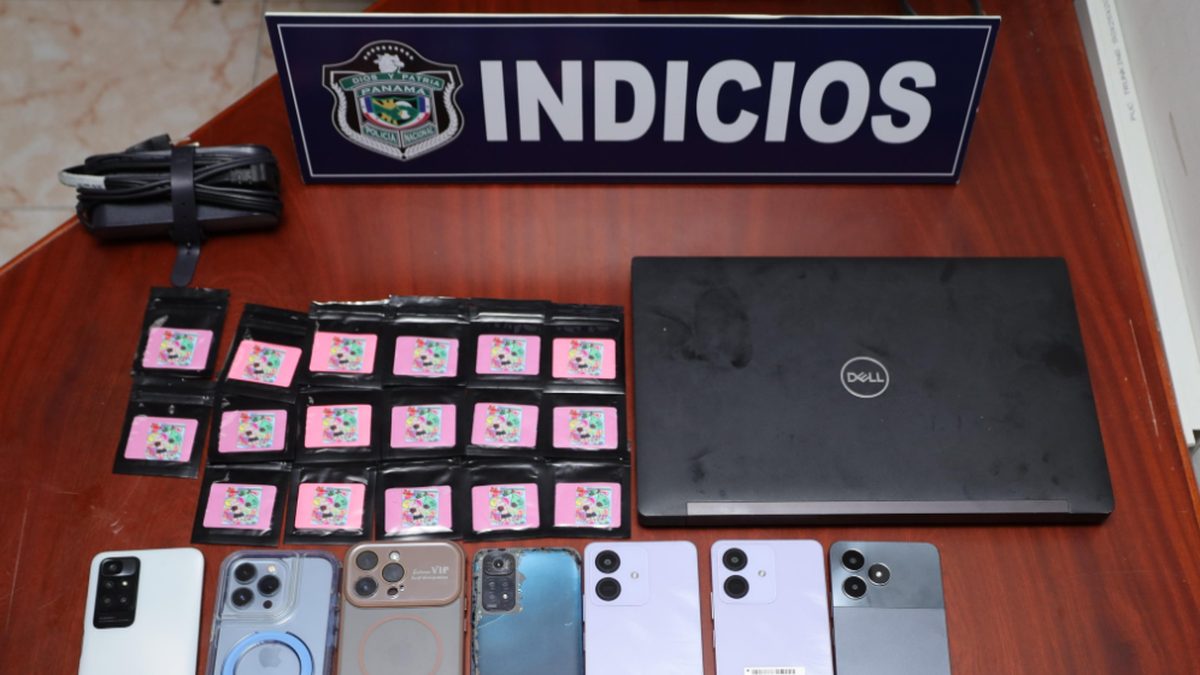
Panama’s National Police and the Public Ministry have dismantled a fraud network made up of Panamanian and foreign suspects accused of impersonating banking institutions to deceive customers and push them to transfer money. The scheme relied on false identities tied to several banks, turning a routine financial contact into a trap for unsuspecting users.
The operation highlights a type of crime that has become increasingly disruptive in the digital era: criminals do not need to rob a branch to steal funds. By posing as trusted institutions, they exploit fear, urgency and confidence in the banking system to pressure victims into sending money voluntarily.
Why This Matters
Impersonation scams are among the most effective forms of financial fraud because they target trust. In Panama, where online banking and digital transfers are widely used, a convincing call, message or contact can be enough to trigger a loss before the victim has time to verify the request. The fact that the network used the identities of several banks underscores how broad these schemes can be and why verification is essential before any transfer is made.
For customers, the warning signs often include urgent demands to move money, requests to confirm account data, or pressure to act immediately to avoid a supposed block, charge or investigation. Banks generally do not ask clients to transfer funds to “protect” accounts, and any unexpected request tied to personal finances should be checked directly through official customer service channels.
Regional Crime Context
Financial fraud has become a growing challenge across Latin America as criminals combine social engineering with digital tools. Panama’s role as a regional financial hub makes consumer protection especially important, because scams that appear sophisticated can spread quickly through messaging apps, phone calls and online platforms. That puts pressure on authorities and banks to keep public alerts visible and to move swiftly when fraudulent networks are detected.
Cases like this also show why cooperation between police investigators and prosecutors matters. Fraud networks often cross borders, use multiple identities and depend on speed: the faster they can convince a victim to transfer money, the harder it becomes to recover the funds. Disrupting the group can prevent further losses and help investigators trace how the operation was structured.
What Readers Should Watch
Panamanians should continue monitoring official warnings from banks and law enforcement, especially when contacted about supposed account problems or urgent transfers. Anyone receiving a suspicious request should avoid sharing credentials, disconnect from the call or message, and verify the contact information independently using the institution’s official website or customer service number.
The bust is another reminder that digital safety is now part of everyday financial life. As fraudsters refine their tactics, the strongest defense remains caution, verification and prompt reporting of suspicious activity to the proper authorities.