
What Happened
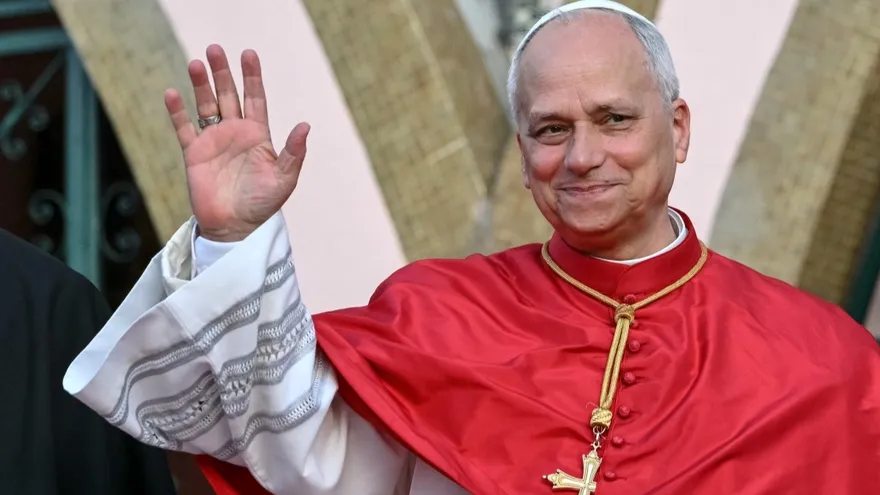
Pope Leo XIV drew international attention after a brief, playful exchange with hundreds of young people in Genoa, Italy, where he repeated the viral phrase “six seven” during a youth encounter. The moment quickly spread across social media, adding a pop-culture twist to an event centered on faith and engagement with younger generations.
For a pontiff, moments like this carry outsized visibility. A simple phrase can travel far beyond the event itself, especially when it connects with a digital audience already familiar with internet trends. In that sense, the reaction reflects how quickly papal appearances can now move through TikTok, Instagram, and other platforms that shape the way younger audiences experience major public figures.
Why It Caught On
The appeal of the exchange lies in its contrast: a global religious leader stepping into the language of online culture. That kind of bridge can make a papal appearance feel more immediate to younger viewers, especially at events designed to bring youth closer to the Church. Viral moments often grow because they are short, easily shared, and tied to a recognizable personality, all of which were present here.
Genoa has long been an important Catholic center in Italy, and youth gatherings there often carry a broader message about renewal, participation, and the future of the Church. When a figure as prominent as Pope Leo XIV joins that setting with an informal reference that resonates online, it amplifies the event beyond the local audience.
Broader Context
The rise of papal content on social media is part of a larger shift in how religious institutions communicate. Young people increasingly encounter major public moments in clips rather than full speeches, and a spontaneous, recognizable phrase can spread faster than a formal message. That gives events like this one a second life online, where humor and novelty often drive engagement.
For Catholic communities in Panama, the episode is another example of how the Vatican can reach younger generations through the same digital channels that shape daily life in Latin America. Panama has seen the power of youth-centered Catholic events before, including the momentum generated around World Youth Day and the country’s role in international Church attention. Viral papal content can help keep that connection alive, especially among teenagers and young adults who consume news in short-form video formats.
What to Watch Next
The key question is whether moments like this become a pattern in Leo XIV’s public style. If they do, they may help strengthen his visibility among younger Catholics while also making his appearances more shareable to a wider audience. At the same time, the challenge for any religious leader is balancing approachability with the gravity of the office.
For readers in Panama, the broader takeaway is that Vatican communications are increasingly shaped by the same digital culture that dominates the region’s public conversation. A single phrase, delivered in the right setting, can turn a local youth meeting into a global social-media event.