
What Happened
Football shirt numbers are now so familiar that fans use them as shorthand for positions, styles and even personalities on the pitch. A “9” instantly suggests a striker, while a “10” evokes creativity and leadership. That system, however, did not exist in the sport’s early years.
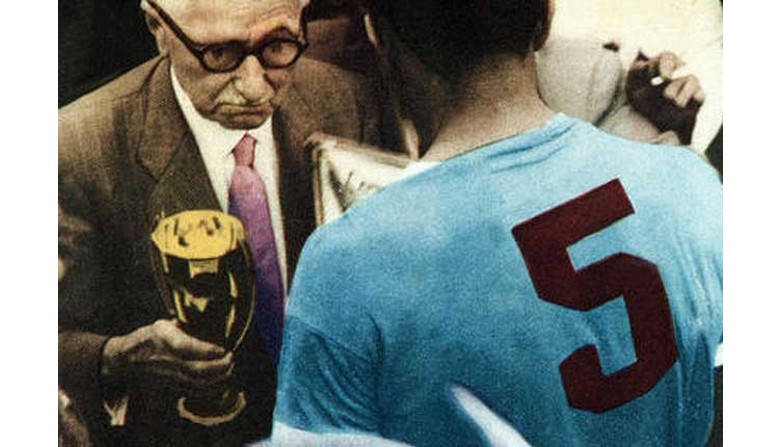
The first official global appearance of numbered shirts came at the FIFA World Cup in Brazil in 1950. Players wore numbers from 1 to 11 to make identification easier during matches, helping spectators, referees and commentators follow the action more clearly. Before that, teams often played without a fixed numbering structure, and when numbers were used in some places, they were not assigned according to a consistent rule.
The change became permanent four years later at the 1954 World Cup in Switzerland, when FIFA established fixed numbering for participating national teams. That decision helped standardize the visual language of the game and gave football one of its most recognizable traditions.
Why the Numbering System Mattered
Shirt numbers did more than solve a practical problem. Over time, they became part of football’s identity and vocabulary. Fans began linking specific numbers with roles on the field: the center midfielder as the “5,” the central striker as the “9,” and the playmaker as the “10.” Those associations remain deeply rooted in football culture across the world.
The numbering system also helped shape how the modern game is discussed and understood. In everyday conversation, football followers often identify players by role as much as by name, and shirt numbers have become part of that shorthand. For young players, wearing a favorite number can also carry symbolic value, connecting them to club legends and national team icons.
From Practical Tool to Football Symbol
What began as a simple method of identifying players on the field gradually became one of the sport’s most enduring symbols. Shirt numbers are now tied to tradition, style and status, and some numbers carry especially strong meaning depending on the team or era.
That evolution reflects how football has changed from a loosely organized sport into a highly structured global game. The standardization of dorsals at the World Cup level helped create a shared language that crossed borders, leagues and generations. It also made the sport easier to follow as international tournaments grew in popularity and television brought matches to wider audiences.
For football fans in Panama, where the World Cup remains a major reference point for the sport, the history of shirt numbers offers a reminder that even the smallest details of the game can become part of its culture. Today’s familiar jersey numbers are not just decoration; they are part of the tradition that connects modern football to its past.
What to Watch
As football continues to evolve, shirt numbers still carry meaning well beyond identification. They remain a way for players to build an image, for teams to preserve tradition, and for fans to recognize the roles and identities that define the game.