
What Happened
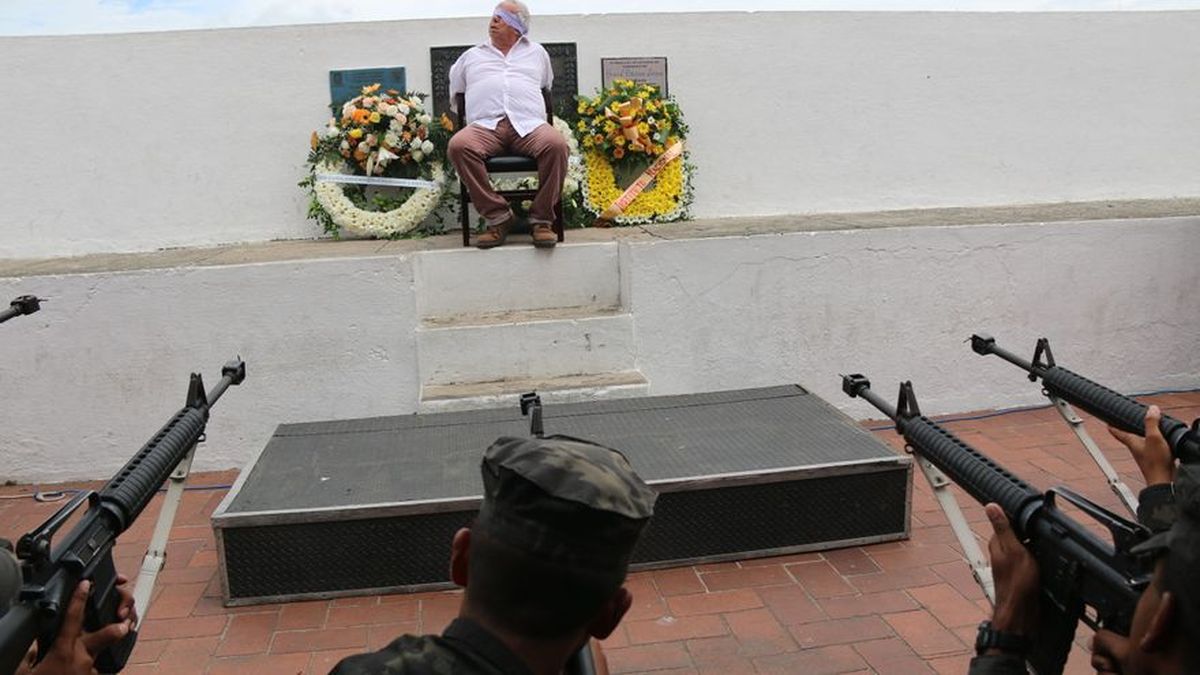
On May 15, 1903, Victoriano Lorenzo was executed in Panama in what remains one of the most remembered moments in the country’s political and social history. The Coclé-born guerrilla leader was shot in the former Plaza de Chiriquí, now known as Plaza de Francia, in Panama City’s Casco Antiguo.
Lorenzo is widely remembered as a symbol of resistance during the Liberal Wars, and his execution became part of the historical memory surrounding the turbulent years that preceded Panama’s separation from Colombia later that year.
Why Victoriano Lorenzo Matters
Victoriano Lorenzo emerged as a prominent guerrilla leader from Coclé and became associated with the struggles of rural and Indigenous communities during the conflict. His name has remained relevant in Panamanian history because he represented a broader fight over power, land, and political exclusion at a time of intense national upheaval.
The site of his execution in the historic center of Panama City also adds to the significance of the event. Plaza de Francia, located in the Casco Antiguo, is today one of the capital’s best-known public spaces and a place tied to memory, heritage, and national identity.
Historical Significance
The execution of Lorenzo is remembered not only as the end of a life, but as a moment that reflects the violence and instability of the era. His legacy continues to be discussed in Panama as part of the country’s broader story of political conflict and the formation of the republic.
More than a century later, the date serves as a reminder of how national history is shaped by figures who were once seen through the lens of war and later elevated as symbols of resistance and social justice.