
What Happened
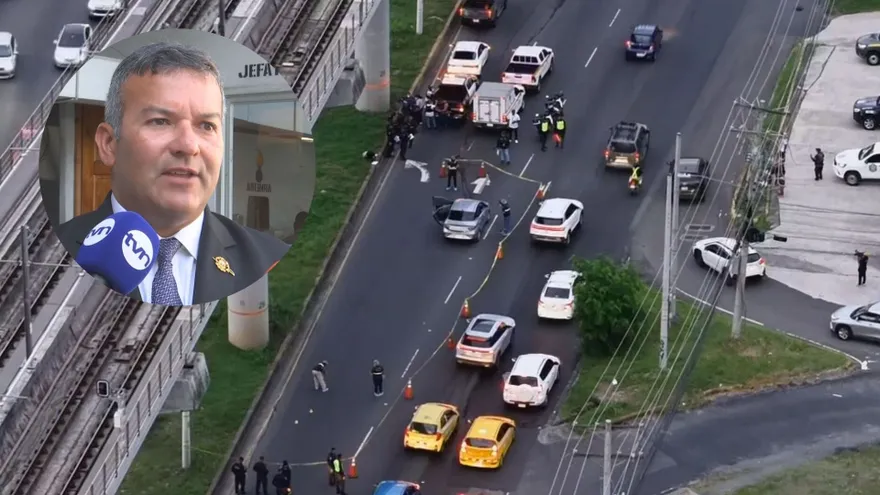
Panama’s police chief acknowledged that the country is facing a “complicated” security situation as violent incidents continue to rise. The remarks came after a double homicide on Monday on Domingo Díaz Avenue, one of the capital’s busiest corridors, where two people were killed.
Among the victims was a man known by the alias “Otoniel,” who had three active arrest warrants against him: two related to homicide and one linked to drugs. The case has drawn renewed attention to the pressure facing public security forces as violent crime remains a major concern in Panama.
Why the Case Matters
Domingo Díaz Avenue is a key route in Panama City, and a shooting or killing there has broad public impact because of the traffic, commerce, and daily movement along the area. A violent incident in such a visible location underscores how public safety concerns are affecting ordinary life in the capital.
The police chief’s comments also highlight the link between organized crime, narcotics, and homicide investigations. When a victim has prior criminal warrants, it reflects the broader challenge authorities face in confronting violent networks that can overlap with drug-related activity.
Security Pressure in Panama
Panama has faced recurring concerns over violent crime in recent years, especially in urban areas where gang activity and drug trafficking routes can intensify insecurity. Police and judicial authorities have repeatedly been under pressure to respond to homicides and improve street safety.
The latest killing adds to the sense of urgency around public security policy. For residents, repeated violent episodes in populated areas can increase fear and reinforce demands for stronger policing, faster investigations, and more visible prevention efforts.
What Happens Next
The double homicide is now part of the wider effort by authorities to contain escalating violence and identify those responsible. Cases involving individuals with previous arrest warrants often become important tests of whether law enforcement can disrupt criminal networks and reduce the cycle of retaliation.
As Panama confronts this period of heightened insecurity, the response from police and prosecutors will remain closely watched by the public, especially in the capital and other areas where violent crime has become a persistent issue.