
What Happened
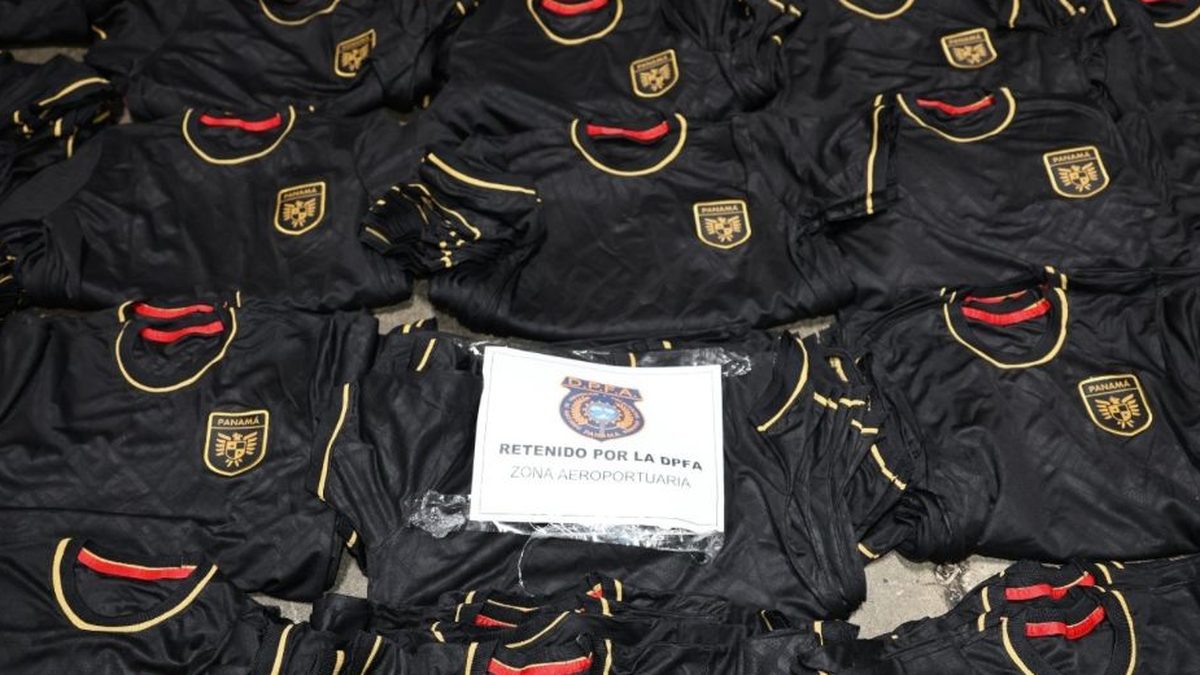
Panama’s National Customs Authority seized more than 1,900 counterfeit jerseys of the national soccer team in an operation tied to trade enforcement at the country’s borders.
The fake garments were valued at more than $200,000, underscoring the scale of the shipment and the commercial impact of counterfeit sports merchandise in Panama.
Why It Matters
Counterfeit products can damage legitimate brands, cut into sales for authorized retailers, and expose consumers to lower-quality goods. In Panama, the national team jersey is a highly recognizable symbol, especially during major tournaments and international matches, which makes it a frequent target for imitation.
Customs seizures of this kind are also part of broader efforts to protect intellectual property and monitor goods entering the country. That enforcement is especially important in a trade hub like Panama, where goods move through ports, free zones, and other commercial corridors.
Broader Context
Sports merchandise often becomes a focus for counterfeit networks because of strong demand and the high visibility of team colors and logos. In Panama, official national team apparel carries both commercial and emotional value for fans, which increases the market for unauthorized replicas.
Actions against counterfeit jerseys also reflect the role of the National Customs Authority in safeguarding the country’s retail economy and stopping products that may be imported without proper authorization.
What Comes Next
The seizure highlights ongoing enforcement efforts against illegal imports in Panama. Cases involving counterfeit clothing can lead to additional inspections, confiscations, and coordination with other authorities responsible for protecting trademarks and consumer markets.
For supporters of La Selección, the operation is a reminder that official merchandise remains a key part of the team’s identity, even as unauthorized copies continue to circulate in the marketplace.