
What Happened
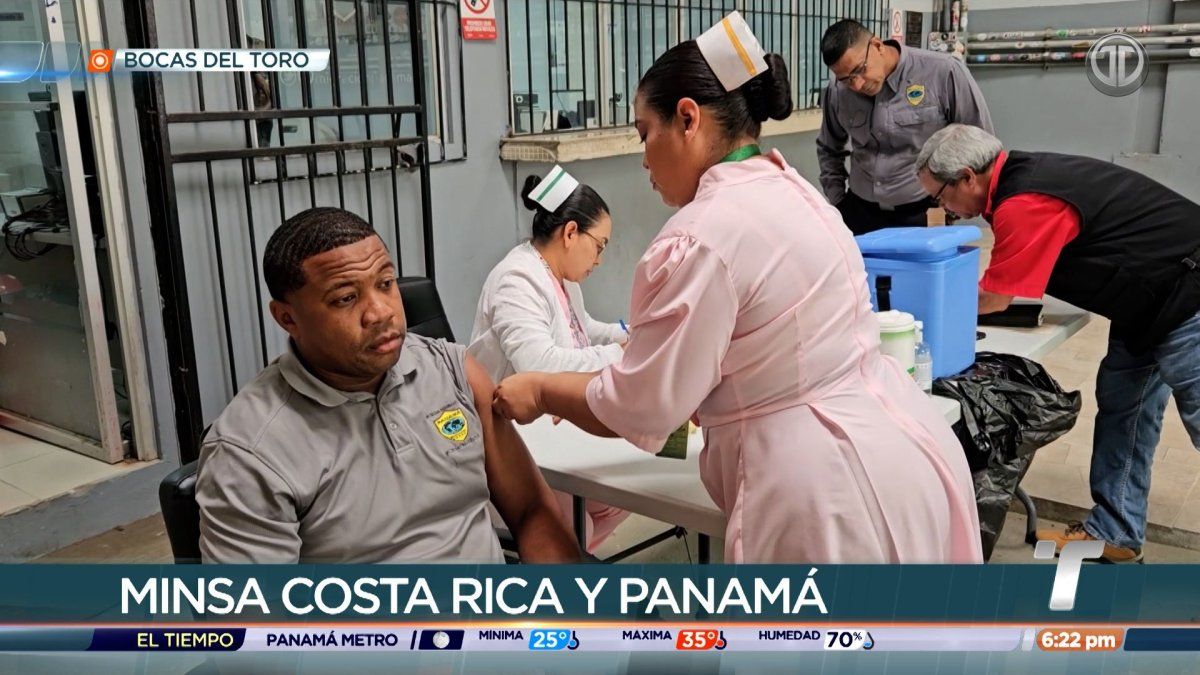
Health authorities in Panama and Costa Rica have coordinated epidemiological control measures after the arrival of a Dutch traveler with measles. The response includes vaccination for officials working at the border, as both countries move to reduce the risk of transmission.
Border Health Response
The joint action reflects the importance of cross-border coordination when a contagious disease is detected in a traveler moving through the region. By focusing on border personnel, health officials are targeting the people most likely to have direct exposure and the greatest chance of encountering further cases.
Measles is highly contagious and can spread quickly in places where people are in close contact, including checkpoints, transit areas, and public facilities. That makes rapid containment measures especially important when an infected traveler passes through an international border area.
Why the Coordination Matters
The response between Panama and Costa Rica highlights the role of public health cooperation in Central America. Border health controls are a key part of disease prevention because travelers can move between countries before symptoms are recognized or before an infection is confirmed.
Vaccinating frontline officials also helps protect essential personnel who maintain border operations and public safety. In outbreaks or suspected exposure events, these preventive steps can limit spread while allowing critical services to continue operating.
Broader Public Health Context
Measles remains a concern for health systems because even a single imported case can create risk if it reaches unvaccinated people. That is why public health agencies often respond quickly with surveillance, contact control, and immunization measures after a confirmed exposure.
The case adds to the importance of maintaining vaccination coverage and rapid coordination between neighboring countries. In border regions, that cooperation can be one of the most effective tools for preventing a local outbreak from taking hold.