
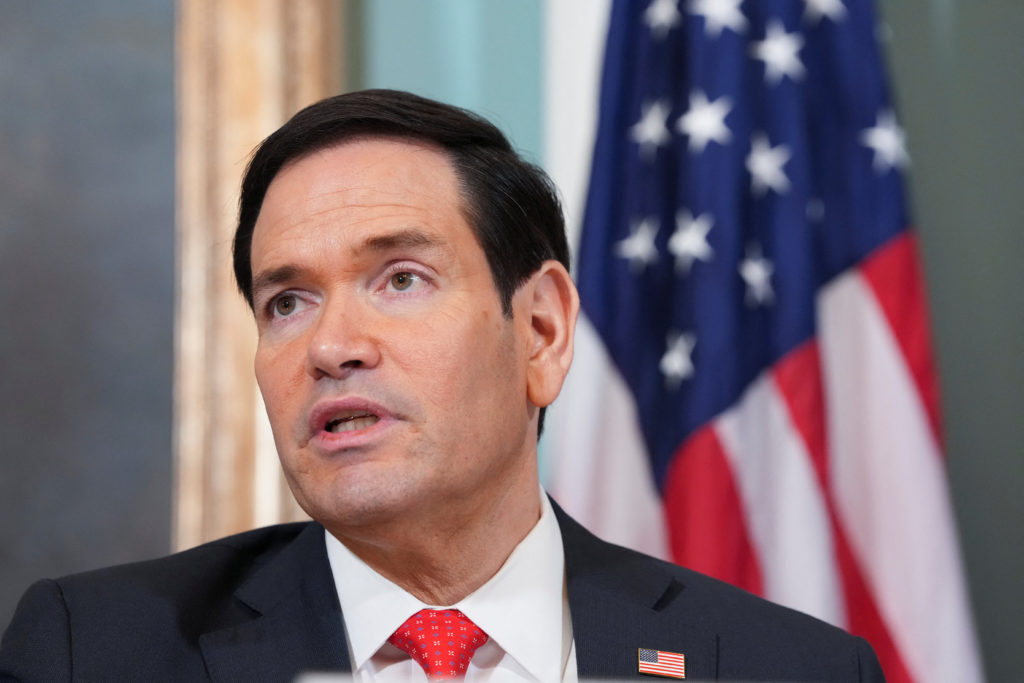
Secretary of State Marco Rubio is set to travel to Rome and Vatican City this week in a diplomatic push that comes amid growing friction between the Trump administration and Pope Leo XIV over U.S. policy, including the Iran war.
What Happened
The upcoming trip puts Rubio at the center of a delicate moment in U.S.-Vatican relations. The visit is intended to help ease tensions that have sharpened as the White House and the new pope diverge on major international issues, particularly the conflict involving Iran and the wider instability in the Middle East.
Rubio’s stop in Rome and Vatican City also comes as the administration seeks to manage broader regional pressure points, including efforts tied to the Strait of Hormuz, one of the world’s most important maritime chokepoints for global energy shipments.
Background
The Vatican has long played an outsized diplomatic role on questions of war, peace, migration, and humanitarian protection, often using its global moral authority to speak on behalf of conflict victims and displaced communities. When tensions emerge between Washington and the Holy See, they can matter well beyond the symbolism of church-state relations, especially when the dispute touches armed conflict or international security.
Iran remains one of the most consequential flashpoints in global diplomacy. Any escalation involving Iran can affect oil prices, shipping routes, and political calculations far beyond the Middle East. The Strait of Hormuz is especially important because a significant share of the world’s seaborne petroleum passes through it, making stability in that waterway a priority for governments and markets alike.
For Panama and Latin America, developments around Middle East security can have indirect but real consequences. Higher energy costs, tighter shipping conditions, and broader volatility in global trade can affect import prices, logistics planning, and inflation pressures across the region.
Why It Matters
This trip signals that the administration is trying to contain a diplomatic rift with the Vatican while also projecting control over one of the world’s most sensitive geopolitical problems. A visit by the top U.S. diplomat to Rome can open channels for quiet engagement, even when public disagreements are sharp.
It also underscores how conflicts far from the Americas can still ripple through Panama and Latin America through trade, fuel markets, and maritime commerce. Any sustained instability involving Iran or the Strait of Hormuz could feed into global shipping disruptions, making this more than a bilateral dispute between Washington and the Vatican.