
What Happened
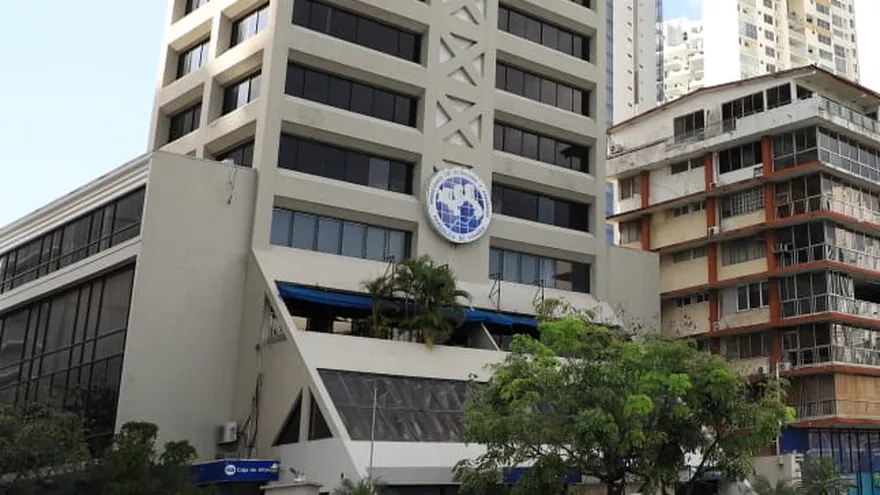
The Directorate-General of Revenue has enabled partial public service at its Vía España branch in Panama City. The office is handling a limited set of tax and customs-related procedures, allowing taxpayers and other users to continue essential errands in person.
At the branch, staff are processing matters linked to fuel tax payments, the delivery of vehicle stickers, known locally as marbetes, and the approval of customs liquidations. These services are among the most common administrative tasks tied to vehicle ownership, tax compliance, and import procedures.
Why It Matters
The partial reopening offers relief for people and businesses that depend on in-person processing for routine obligations with the tax authority. Fuel tax payments and marbete issuance are especially relevant for drivers, while customs liquidation approvals are important for importers and others managing goods entering the country.
Keeping these services available at a central location such as Vía España helps preserve continuity in public administration in one of Panama City’s busiest corridors. For many users, access to these procedures is essential to avoid delays in vehicle circulation or customs-related transactions.
Public Service Context
The DGI plays a central role in collecting taxes and facilitating several revenue-related procedures in Panama. Its services affect households, transport operators, importers and companies that need to remain current with fiscal obligations.
Vehicle-related payments and customs approvals are part of the daily administrative flow that supports both mobility and trade in Panama. When these functions are limited or restored in stages, the impact is felt quickly by people who rely on timely processing to keep business moving.
What Users Can Expect
With the Vía España branch operating partially, the office is focused on a defined group of procedures rather than full service. That makes it a practical option for users whose needs fall within the available tasks, especially those related to fuel taxes, marbetes and customs documents.
For Panama City residents and businesses, the reopening signals a step toward restoring normal administrative activity at a key government service point. The move also underscores how essential tax offices are to everyday compliance in the country’s capital.