
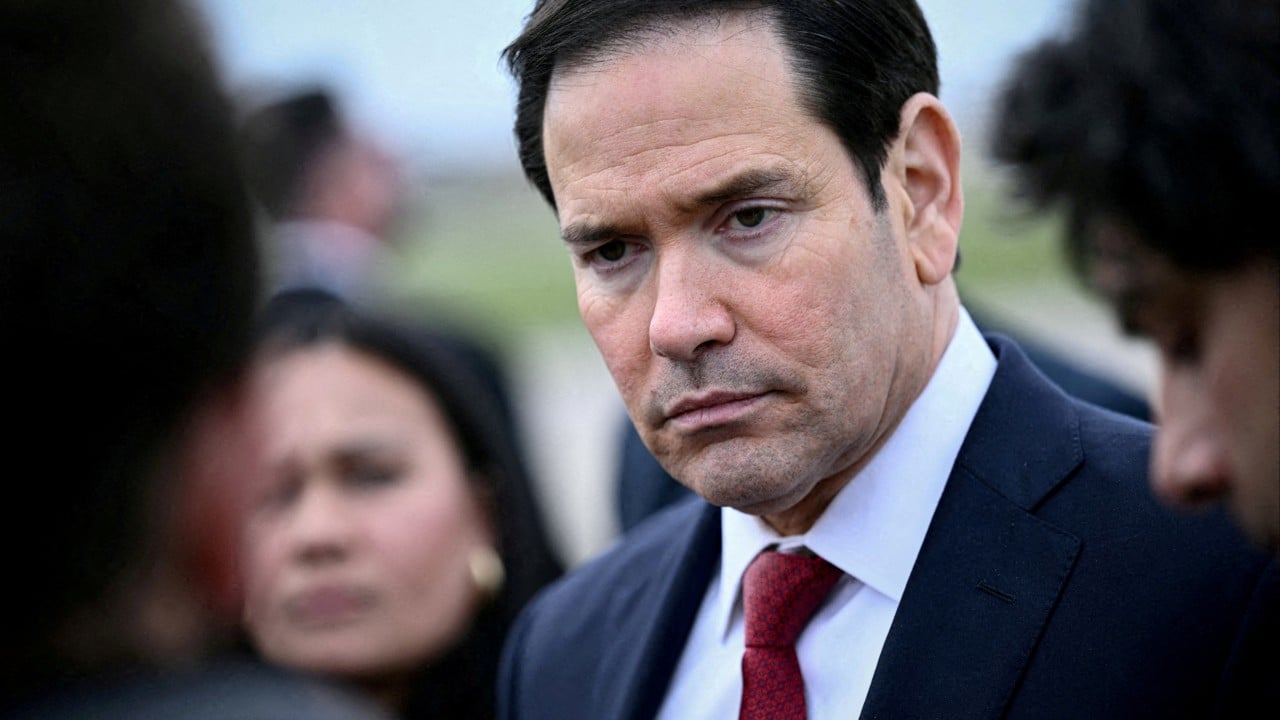
US Secretary of State Marco Rubio has expressed strong concern over China’s intensified inspections of Panama-flagged vessels, saying Washington stands firmly with Panama as tensions with Beijing deepen. The remarks underscore a growing diplomatic and commercial dispute with direct implications for one of the world’s most important shipping nations.
What Happened
Rubio said China’s recent actions against Panama-flagged ships raise “serious concerns” about the use of economic tools to undermine the rule of law in Panama, which he described as a sovereign nation and a vital partner in global commerce. He framed the issue as more than a bilateral disagreement, warning that detentions, delays, and other barriers to vessel movement can disrupt trade flows well beyond the immediate dispute.
Panama’s flag registry is one of the largest in the world, making ships registered in Panama a familiar presence across major shipping lanes. Any intensification of inspections or restrictions on those vessels can create uncertainty for operators, insurers, and port authorities, especially when trade routes involve Asia, the Americas, and the Canal.
Background
Panama has long occupied a strategic position in global shipping because of the Panama Canal and its large open registry of merchant vessels. The country’s maritime sector is central not only to its own economy but also to international supply chains that link Latin America with North America, Europe, and Asia.
China and the United States have frequently clashed over influence in Latin America, where maritime infrastructure, ports, and trade corridors carry geopolitical weight. Panama has sought to balance economic ties with major powers while protecting its sovereignty and its role as a neutral logistics hub. That balancing act has become more difficult as great-power competition increasingly spills into transport, shipping, and investment policy.
For Panama, the status of vessels under its flag is not just a technical maritime issue. It intersects with the country’s reputation as a dependable registry, the smooth functioning of commercial shipping, and confidence in the legal framework that underpins the sector. Measures that slow or disrupt Panama-flagged ships can also ripple into freight schedules and commercial planning across the region.
Why It Matters
This dispute matters because Panama sits at the crossroads of global trade. Anything that raises friction around Panama-flagged shipping can affect commerce moving through the Canal and across Latin American supply chains, even if the immediate issue is centered on China and the United States.
Rubio’s comments also signal strong US political backing for Panama at a time when Washington is looking to counter Chinese leverage in strategic sectors. For Panama and other countries in the region, the episode is another reminder that shipping, ports, and trade policy are increasingly shaped by geopolitics, not just economics.
If the pressure on Panama-flagged vessels continues, the fallout could extend beyond diplomacy to insurance costs, cargo timing, and broader investor confidence in maritime operations linked to Panama. That makes the issue especially relevant for a country whose global influence depends heavily on the uninterrupted flow of ships.