
What Happened
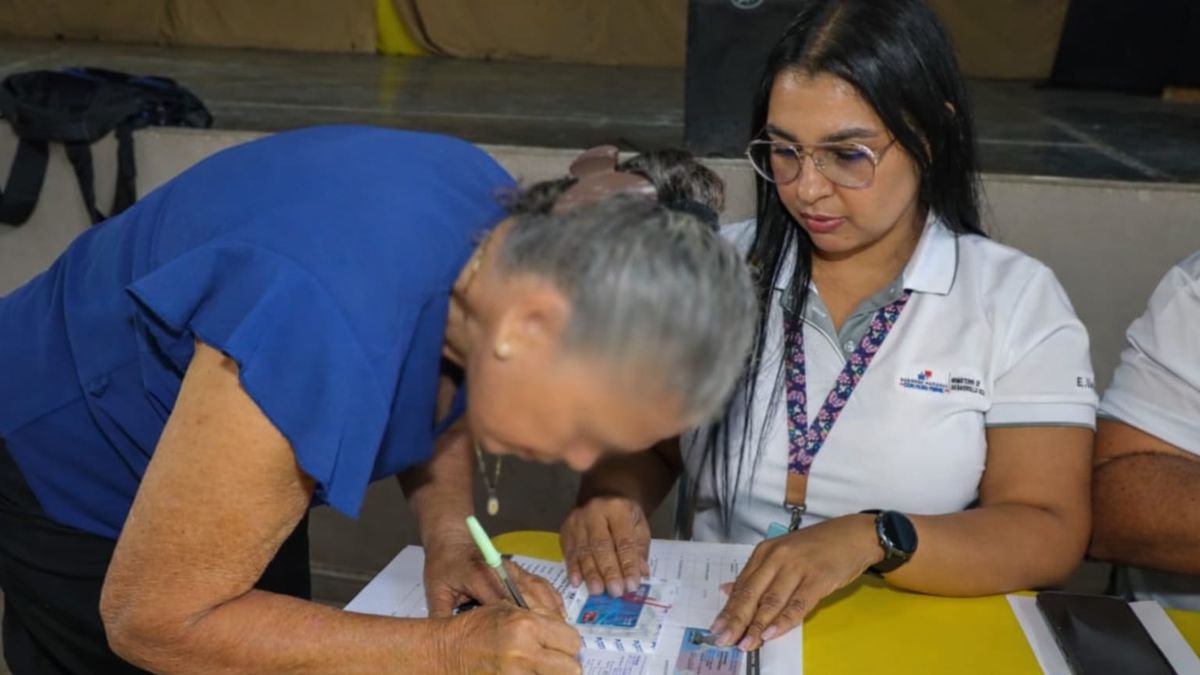
Panama’s Ministry of Social Development excluded 450 beneficiaries from its social assistance programs after a verification process carried out with the Transit and Land Transportation Authority, known as the ATTT.
The check found that 8,010 beneficiaries of MIDES social programs were listed with some type of vehicle registration. That finding triggered the review that led to the removal of the 450 recipients.
Why the Review Matters
Social assistance programs in Panama are designed to support households in vulnerable conditions. Reviews like this one are part of efforts to confirm that benefits reach people who still meet the program requirements.
Cross-checking beneficiary lists with vehicle records can help identify cases where a recipient may no longer fit the eligibility profile established by the program. In practice, these audits are often used to strengthen oversight and protect public funds.
Broader Context
MIDES plays a central role in Panama’s social policy, administering programs aimed at reducing poverty and supporting families with limited resources. Coordination with other government institutions, including traffic and transport authorities, has become an important tool for verifying eligibility.
The removal of beneficiaries does not change the larger role these programs play in Panama’s safety net, but it does reflect pressure on public institutions to keep beneficiary lists updated and aligned with current conditions.
What This Means
The latest verification underscores how data checks can reshape social program enrollment in Panama. For beneficiaries, it signals that eligibility monitoring is active and ongoing. For the government, it shows a continued focus on improving controls around social spending.
As Panama continues to manage demand for public assistance, reviews of this type are likely to remain a key part of how authorities administer and audit support programs.