
What Happened
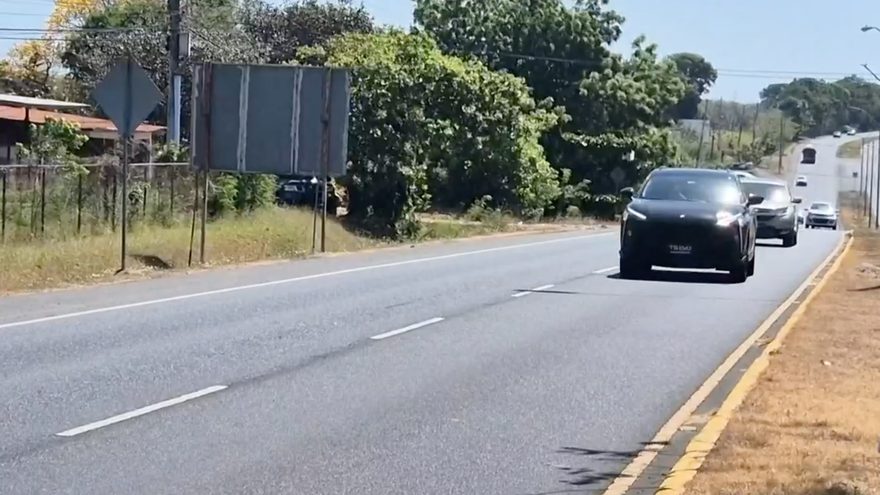
Panama will begin its Holy Week lane reversal plan at 11:00 a.m. and keep it in place until 8:00 p.m. The traffic measure is designed to help the flow of vehicles heading toward the interior of the country during one of the busiest travel periods of the year.
The plan will be applied in several phases and carried out progressively, depending on how traffic builds along the route.
How the Measure Works
Lane reversals are commonly used in Panama during peak holiday travel to give more road space to the direction with the heaviest demand. In this case, the focus is on travelers leaving Panama City and other urban areas for destinations in the interior.
By adjusting lanes in stages, authorities aim to improve traffic movement and reduce long delays on major roads. The phased approach also allows the system to respond to changing conditions throughout the afternoon and evening.
Why It Matters
Holy Week typically brings a large increase in road traffic as families and visitors travel across the country. Measures such as lane inversion are intended to ease congestion on key corridors and make holiday travel more manageable.
For drivers, the schedule means planning trips around the 11:00 a.m. start and the 8:00 p.m. end of the operation. Travelers heading inland should expect heavier traffic and possible changes to normal road patterns during the rollout.
Panama’s Holiday Travel Pattern
Traffic management plans during major holidays are a familiar part of life in Panama, especially when many people leave the capital for beach towns, inland provinces, and family gatherings. Lane reversal is one of the most visible tools used to keep vehicles moving during these peak periods.
As Holy Week travel gets underway, the timing of the measure signals a coordinated effort to manage the expected surge in traffic and keep routes toward the interior flowing as smoothly as possible.