
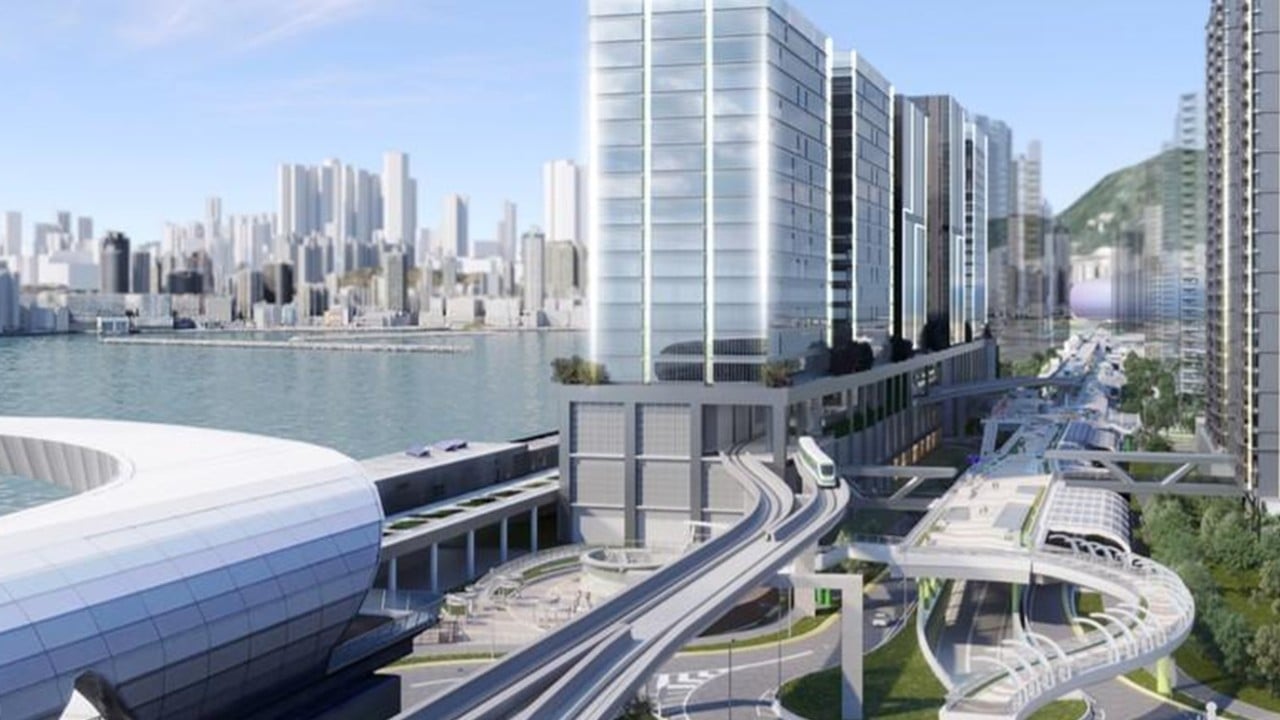
Hong Kong has approved plans for an elevated smart mass transit railway in Kai Tak, a development aimed at improving connections between the former airport district’s cruise terminal, key facilities and the local MTR network. The move gives the project a major boost after months of consultation and scrutiny.
What Happened
The city’s Executive Council endorsed the plan for the elevated system, which is designed to serve the Kai Tak area and connect major destinations there with the existing rail network. According to the South China Morning Post, the approval came after authorities held meetings with critics of the project and carried out consultations with the public and the Legislative Council to respond to concerns.
The proposal was gazetted in July of last year, marking an important procedural step before the latest approval. Officials have described the project as a “smart” mass transit railway system, reflecting Hong Kong’s broader push to use modern infrastructure to improve urban mobility and ease access to redevelopment zones.
Background
Kai Tak is one of Hong Kong’s most closely watched redevelopment districts. Once home to the city’s old airport, the area has been transformed in recent years into a growing hub for housing, tourism, sports and waterfront development. The cruise terminal in particular has made the district an important arrival point for visitors.
Hong Kong has long relied on its MTR system as the backbone of public transport, and new links are often seen as critical to supporting large-scale urban projects. An elevated transit line can be especially attractive in dense cities because it can move passengers above street level while avoiding some of the land constraints that make new rail routes difficult to build.
The approval process also highlights the balancing act between development and public concern. Large infrastructure projects in Hong Kong frequently face questions about cost, route design, environmental impact and disruption to nearby residents or businesses. In this case, officials appear to have moved forward only after additional engagement with stakeholders.
Why It Matters
The new rail link is intended to make Kai Tak more accessible and to support the area’s long-term growth as a mixed-use district. Better transit access can increase the appeal of nearby housing, tourism facilities and commercial projects, while also reducing reliance on road transport.
For Hong Kong, the project fits into a wider strategy of modernizing infrastructure in reclaimed or redeveloped areas where mobility needs are growing quickly. For readers in Panama and Latin America, the story is relevant as another example of how major cities are using transit investment to shape waterfront redevelopment, port-linked tourism and urban regeneration. Cities across the region face similar questions about how to connect new economic zones to existing transport systems without overwhelming roads or adding too much congestion.
Although this is a local Hong Kong infrastructure decision, it reflects a global trend: major financial and logistics hubs are increasingly treating transport planning as a central part of economic development rather than just a public works issue. In places built around trade, tourism and dense urban growth, rail access can determine whether a district becomes a success or struggles to attract activity.