
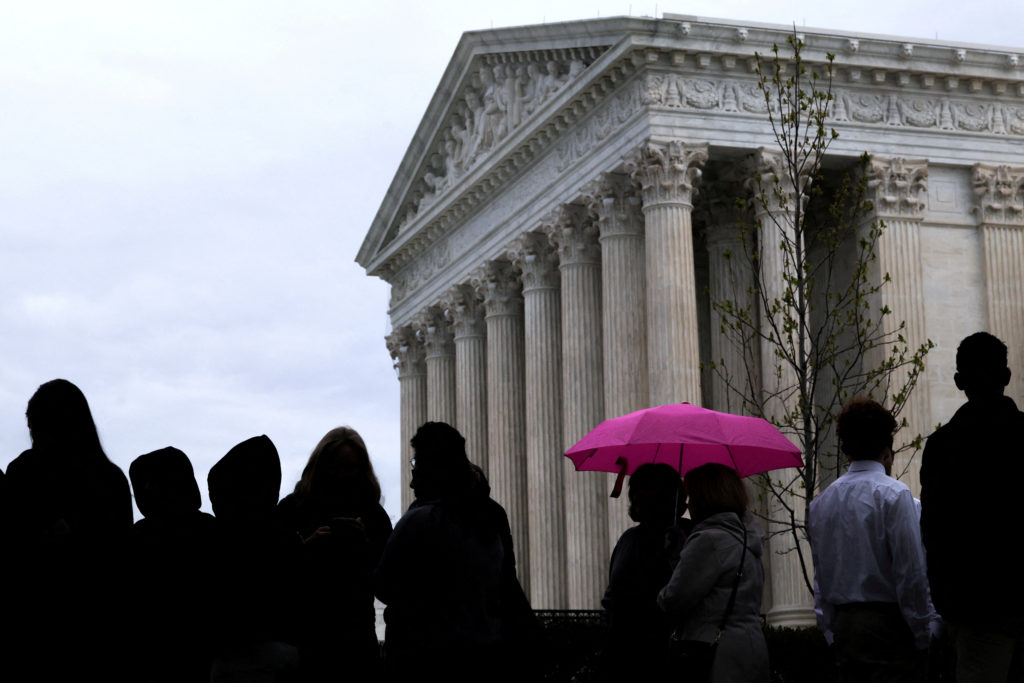
The U.S. Supreme Court has taken up a challenge to President Donald Trump’s order targeting birthright citizenship, a move that could reshape one of the most enduring principles in American immigration law. The case is the latest test of the court’s role in reviewing the Trump administration’s broader crackdown on immigrants.
What Happened
The high court is considering the constitutionality of Trump’s attempt to repeal birthright citizenship. The issue centers on whether children born in the United States are automatically citizens, a rule that has long been understood as part of the constitutional framework.
According to the source, the case is part of a wider immigration push by the Trump administration. It also presents another moment in which the Supreme Court has been asked to weigh policies that lower courts have blocked, yet some of those measures have still been allowed to continue in the meantime.
Background
Birthright citizenship has been a defining feature of U.S. law for generations and remains a major issue in the country’s immigration debate. The principle is commonly associated with the 14th Amendment, which has historically been interpreted to grant citizenship to nearly all people born on U.S. soil.
Trump and his allies have argued that the policy should be narrowed or ended as part of a tougher immigration agenda. Opponents say that any effort to eliminate birthright citizenship would collide with the Constitution and create sweeping uncertainty for families, courts and government agencies.
The Supreme Court’s willingness to hear the case also fits a broader pattern in which the justices have become a key battleground for immigration policy. The court has already allowed some anti-immigration actions to proceed even after lower courts intervened, making this review especially important for both the administration and its critics.
Why It Matters
This case could have consequences far beyond the courtroom. A ruling upholding Trump’s order would represent a major shift in U.S. citizenship policy and could affect thousands of families whose children are born in the United States each year.
For Panama and Latin America, the stakes are significant because U.S. immigration policy has a direct impact on migration flows, family reunification, and the status of people across the region who seek opportunities, safety, or legal residence in the United States. Any change to birthright citizenship could also reverberate across Central America, where migration to the U.S. remains a major political and social issue.
The case is also politically sensitive because it touches on the broader debate over how far a U.S. president can go in reshaping immigration law through executive action. With the Supreme Court involved, the outcome could help define the limits of presidential power on one of the most contested issues in American politics.