
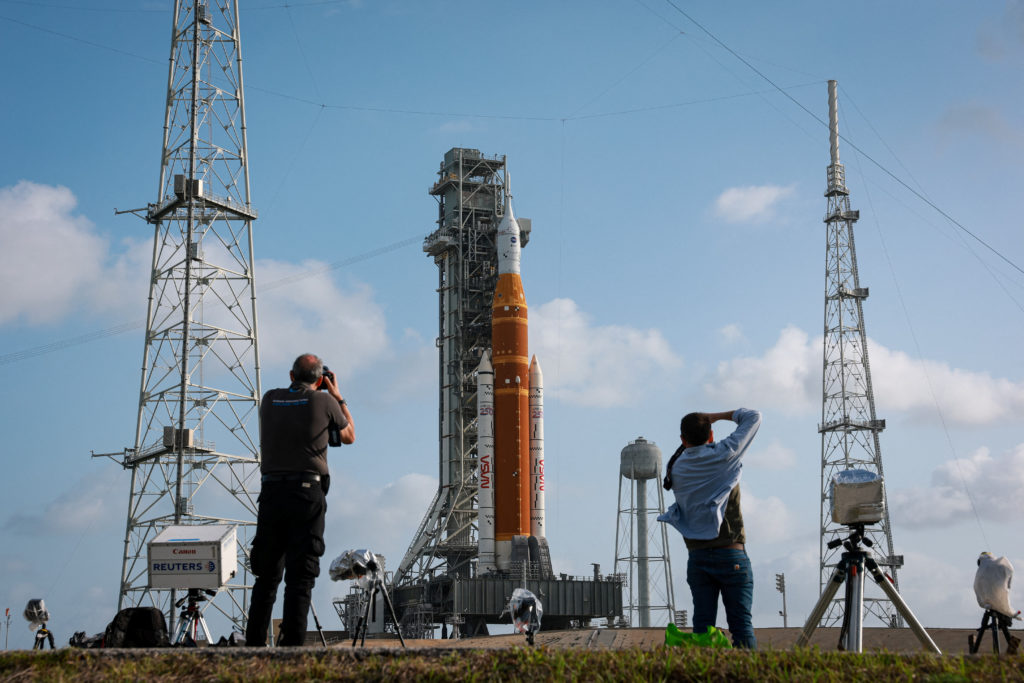
Veterans of NASA’s Apollo program are welcoming the agency’s long-awaited return to the moon through Artemis II, even as some say the milestone arrives after too many of their former colleagues have died. For the men and women who helped make the original lunar landings possible, the new mission is both a point of pride and a reminder of how much of that historic workforce is no longer here to see it.
What Happened
According to PBS, Apollo-era workers who labored day and night to send astronauts to the moon are thrilled that NASA is preparing to go back with Artemis II. Their excitement is mixed with regret, however, because they wish the Artemis moon missions had happened sooner, while more of the Apollo generation was still alive to witness the comeback.
The story centers on the emotional response from those who helped build, test, and support the Apollo program, which achieved humanity’s first crewed moon landings more than five decades ago. Now, as NASA moves toward another crewed lunar mission, the old guard sees the effort as a continuation of the legacy they helped create.
Background
Apollo remains one of the defining achievements in modern space exploration. Between 1969 and 1972, NASA landed astronauts on the moon and returned them safely to Earth, a feat that required an enormous industrial and scientific workforce. Engineers, technicians, machinists, managers, and contractors all played a role in the program’s success.
Artemis II is part of NASA’s broader effort to send astronauts back to the moon and build a new era of lunar exploration. While the source article does not detail the mission timeline or technical objectives, the naming itself reflects NASA’s intention to connect the current program to Apollo’s legacy while using newer systems and broader international cooperation for future deep-space travel.
For Apollo veterans, the renewed moon program is not just a technical achievement. It is also a cultural and historical event, because it revives public attention to one of the most ambitious projects ever undertaken by the United States. Their reaction underscores how long the gap has been between the last Apollo moon landing and the next planned crewed lunar flight.
Why It Matters
The emotional weight of Artemis II goes beyond NASA’s own milestones. A successful return to the moon would mark a major moment in global space competition and exploration, reinforcing the United States’ role in human spaceflight at a time when multiple countries and private companies are pushing deeper into space.
For Panama and Latin America, the broader significance is indirect but real. Major U.S. science and technology efforts often ripple outward through education, research partnerships, satellite technology, and international cooperation. Large space missions also capture public imagination across the region, especially among students and institutions interested in engineering, physics, and aerospace development.
The Apollo veterans’ reaction adds a human dimension to that larger story. Their pride reflects the enduring legacy of the moon landings, while their regret highlights a simple truth: some milestones arrive too late for the people who made them possible. Artemis II is being watched not only as a step forward for NASA, but also as a bridge between one generation of explorers and the next.