
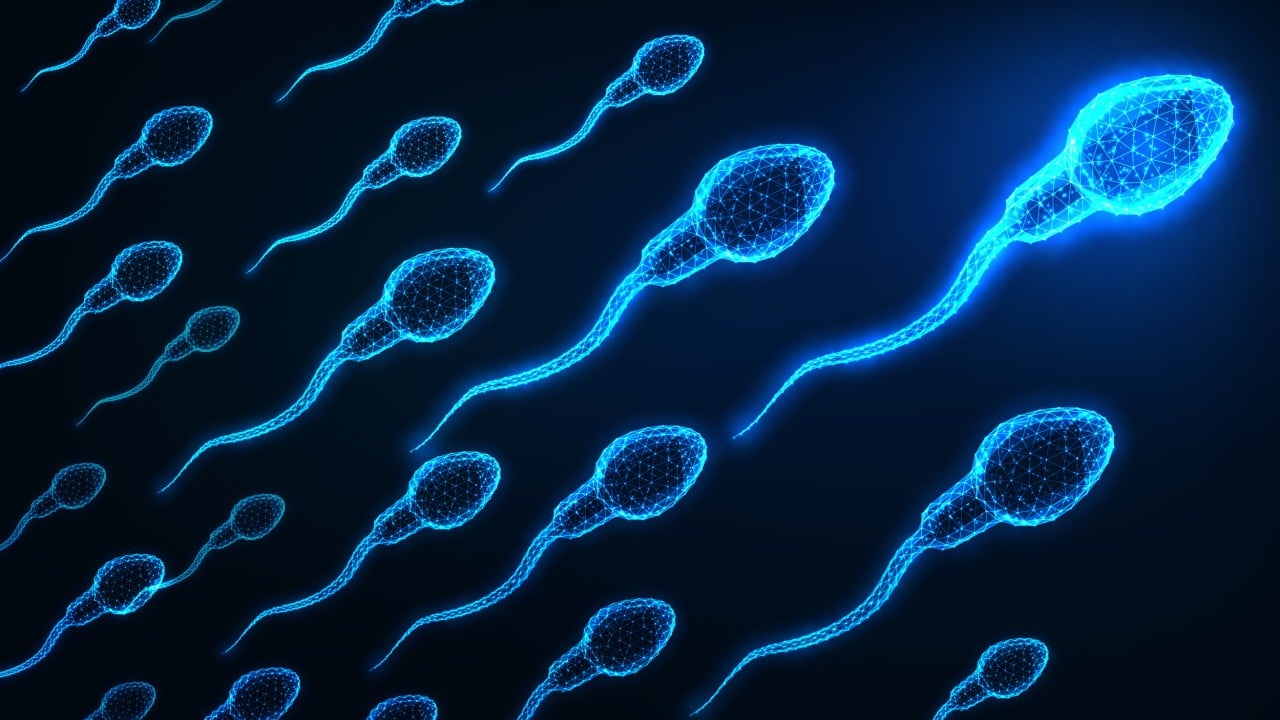
Researchers have built a tiny plastic “obstacle course” to see how sperm behave in weightlessness, using microgravity conditions to simulate the challenges of sex and fertilization in space. The study suggests some sperm can still navigate toward an egg-like target, though the work also points to potentially greater obstacles in early embryo development due to disrupted gravity-dependent processes.
What Happened
Scientists designed a miniature obstacle-course setup to evaluate how sperm move and make progress when gravity is absent. The experiments were carried out under space-like weightlessness conditions, according to a report describing research published on Thursday.
The team observed that while many sperm struggled to navigate the circuit, a subset of “particularly resilient” sperm was able to make it through. Based on those results, the researchers concluded that conceiving children in space may remain possible.
At the same time, the study identified a separate concern: even if fertilization were to occur, embryo development after fertilisation could be harmed in microgravity. The Australian research team linked this risk to the lack of gravity affecting early developmental stages.
Background
Human reproductive processes are highly sensitive to physical conditions, and sperm motility depends on fluid dynamics and environmental cues. On Earth, gravity influences how fluids move and how cells encounter each other, shaping the overall journey sperm make to reach an egg.
With space agencies and private companies increasingly focused on long-duration missions, questions about long-term human life in space have moved from fiction to engineering and biomedical research. Understanding whether conception could occur during missions—and what happens immediately after fertilisation—helps inform future discussions about reproductive health, assisted reproduction, and potentially human settlement beyond Earth.
This study uses a controlled laboratory model to approximate how microgravity might change sperm behavior. By focusing on navigation through a structured pathway, the researchers aimed to isolate how weightlessness alters movement and progress, rather than relying solely on indirect measures.
Why It Matters
The findings carry importance for the growing global effort to plan for sustained human presence in space. If some sperm can still succeed in reaching a target under microgravity, it suggests that conception may not be automatically ruled out by the space environment alone.
However, the researchers’ emphasis on post-fertilisation harm is a reminder that reproduction is not a single step. Even if sperm can reach and fertilise an egg, early embryo development could face biological barriers tied to gravity-dependent mechanisms. That distinction matters for any realistic roadmap that considers family life during space missions, because ensuring fertilisation is only part of the challenge.
For readers across Latin America and Panama, the relevance is indirect but real: space research often drives advances in biomedical understanding, including how human systems respond to extreme environments. Those insights can influence future medical technologies and health planning for vulnerable groups on Earth as well—especially as agencies seek safer, longer missions for astronauts.
More broadly, the study reflects a shift toward evidence-based answers to long-standing “can humans do this in space?” questions. As international interest in space exploration continues to expand, research like this helps set expectations for what is feasible, what remains uncertain, and which biological processes require the most attention.